About Vacuum Sintering Furnace
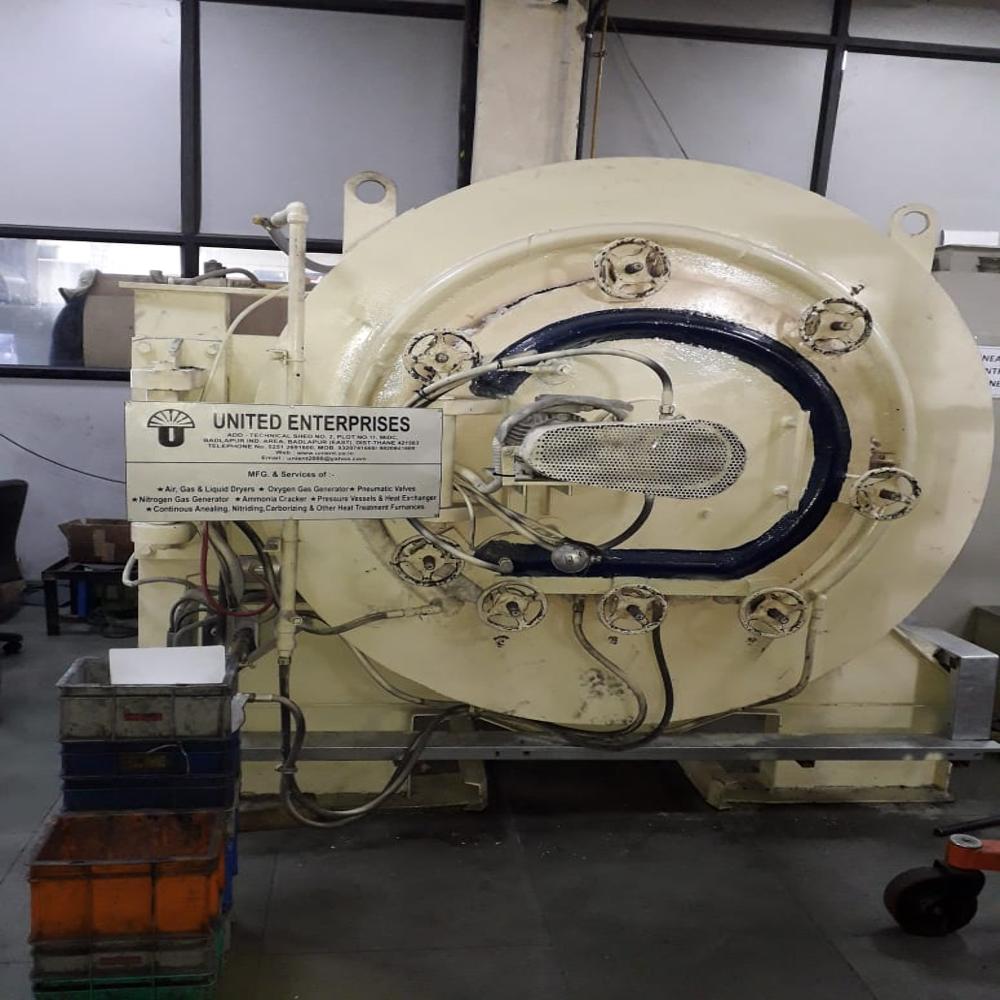
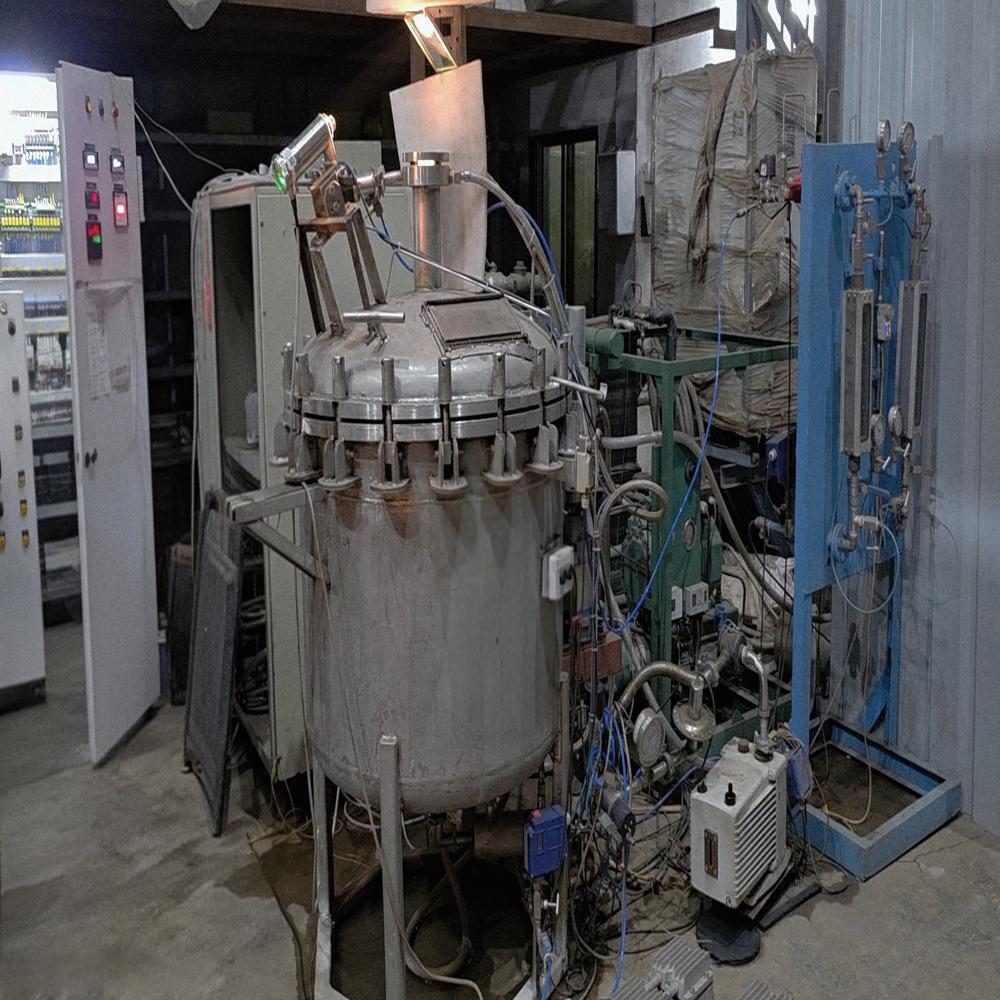
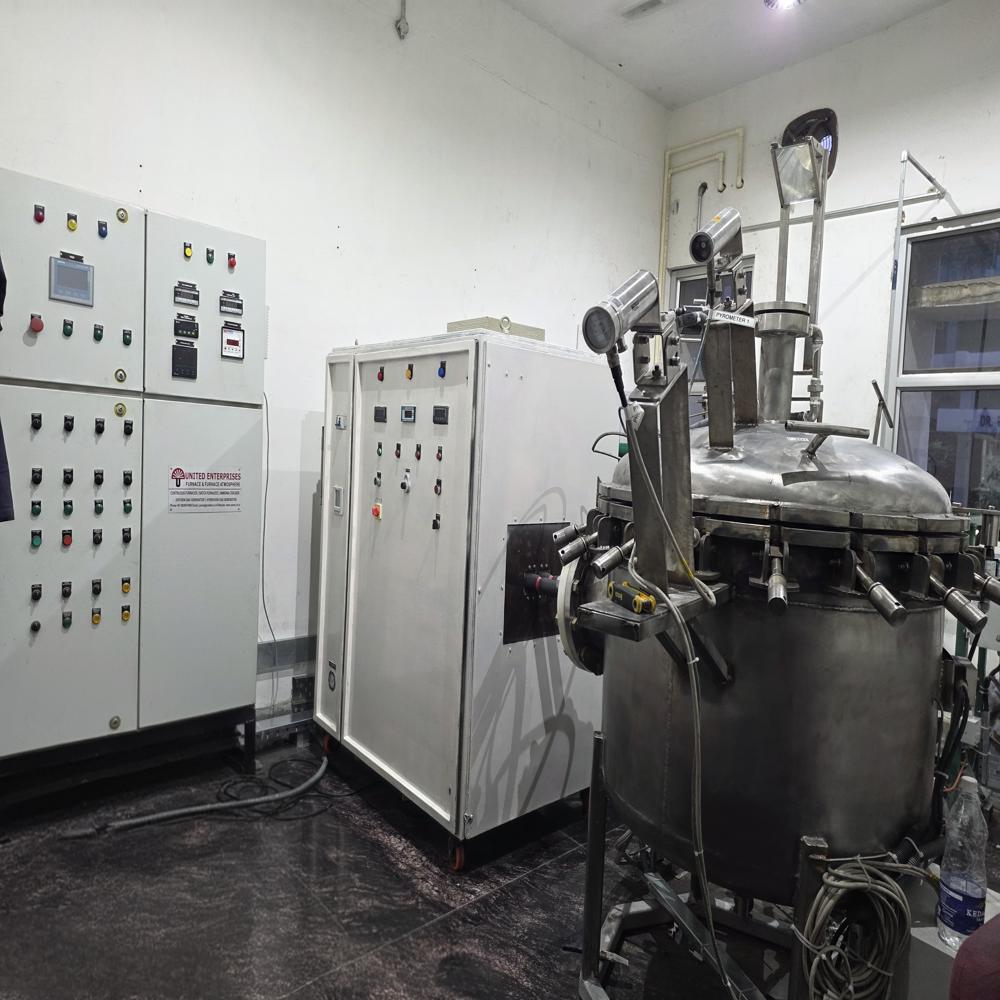
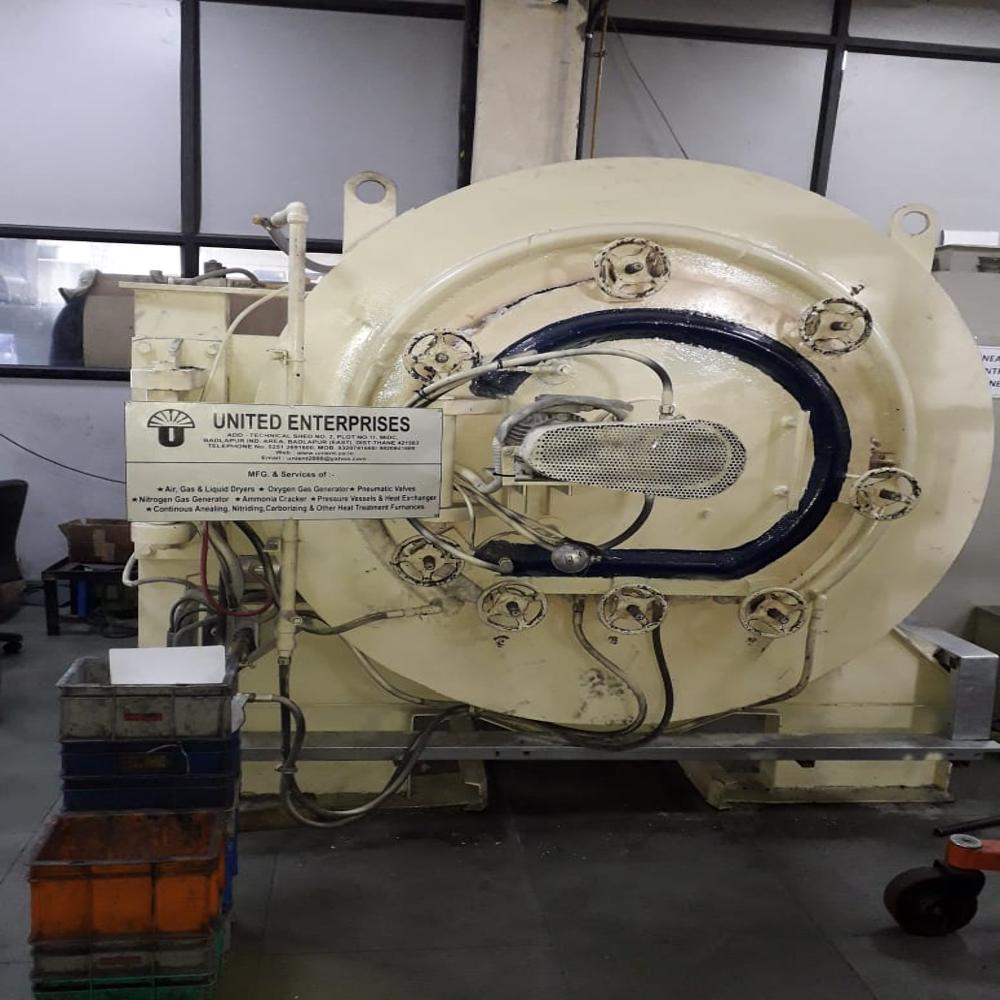
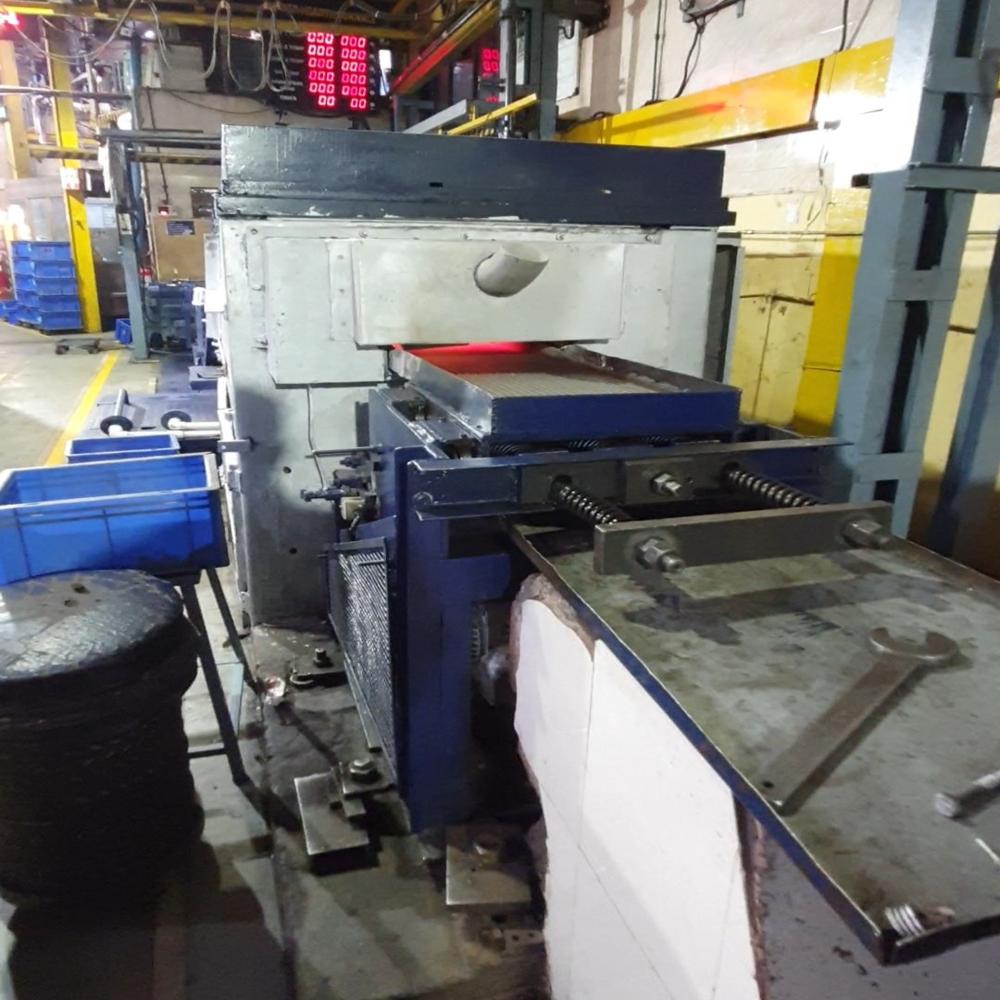
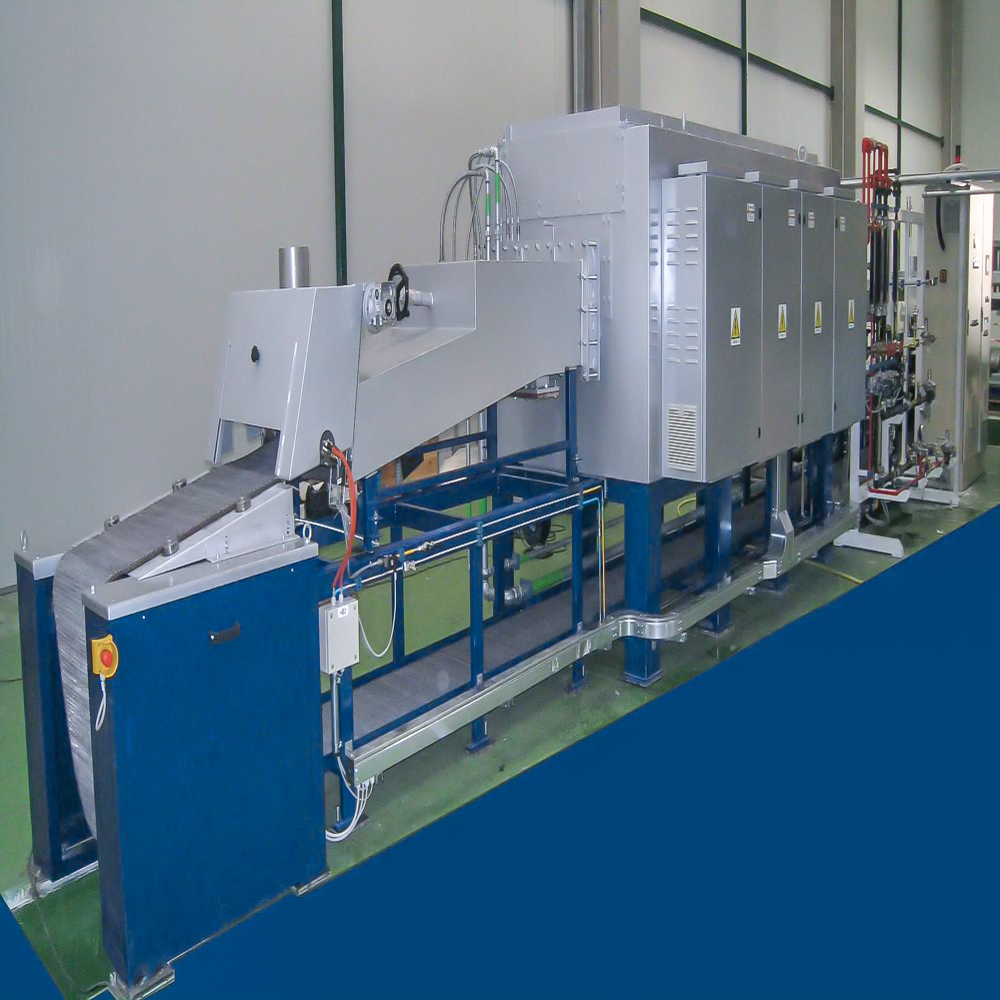
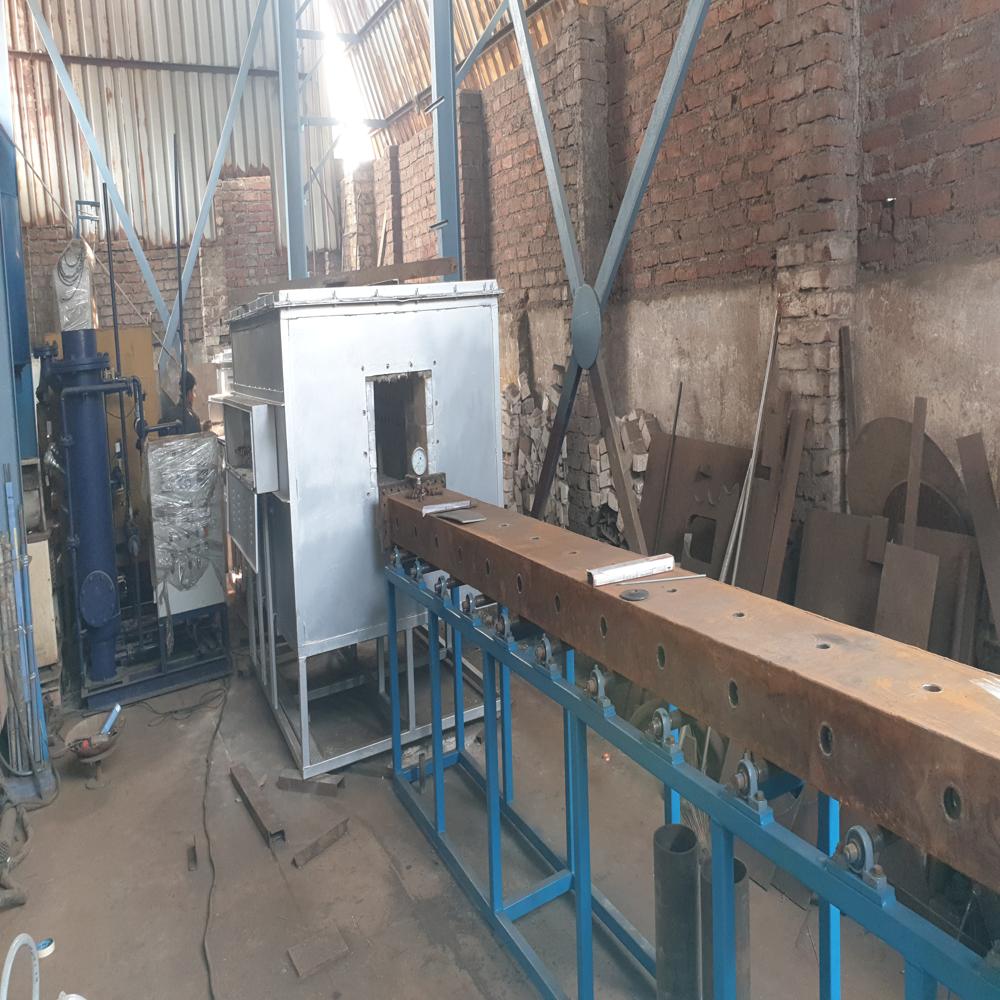
Vacuum Sintering Furnace manufactured by United Enterprises is a high-temperature vacuum furnace built for sintering of carbides, nitrides, refractory metals and other premium PM materials.
Brief Description:
Vacuum sintering is essential for hard metals (WC-Co), refractory metals, advanced ceramics and high-purity sintered alloys. The vacuum environment eliminates oxidation, removes residual gases and ensures high density and precise metallurgy.
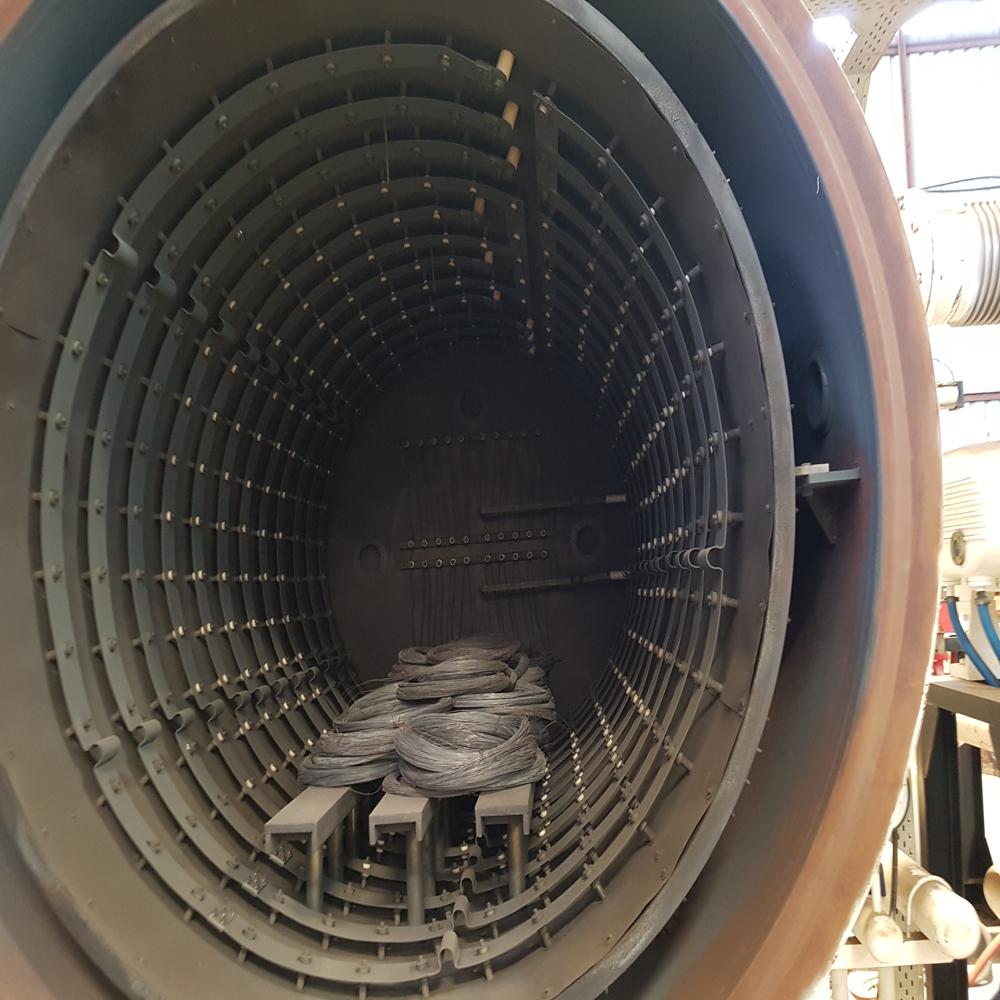
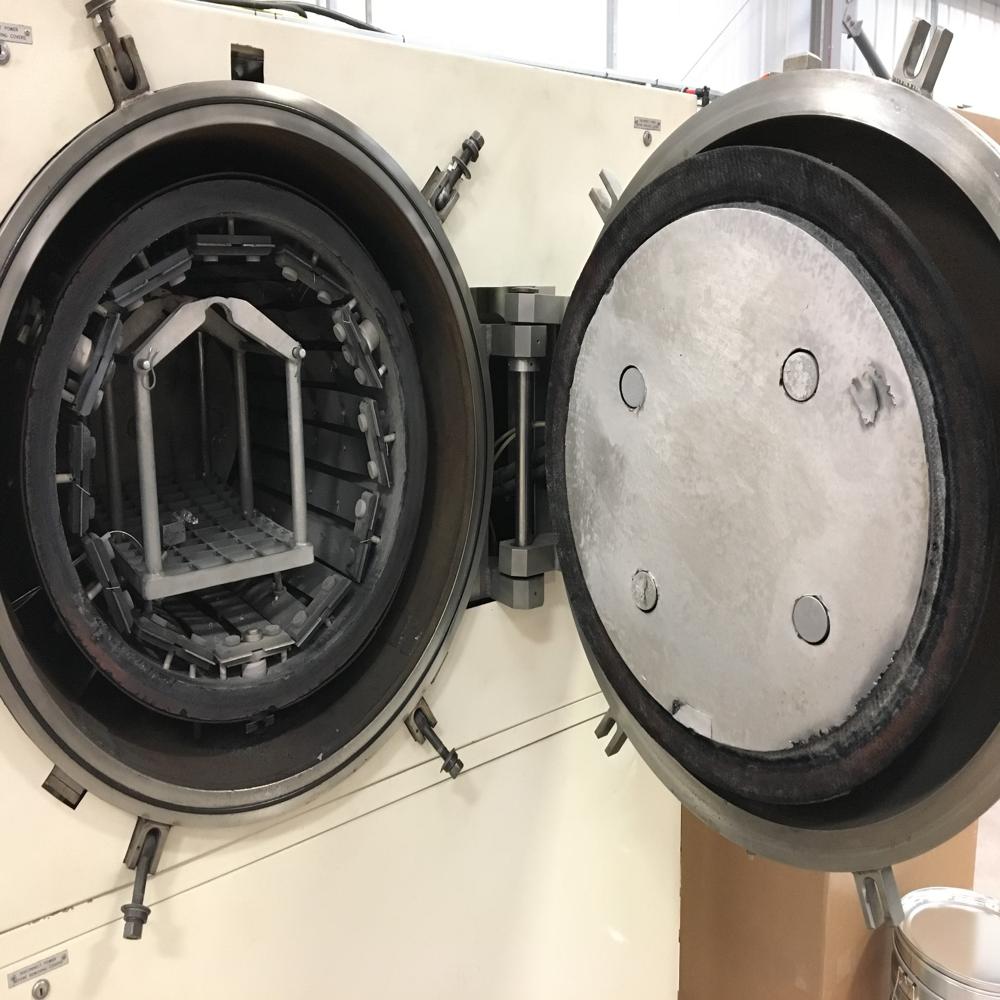
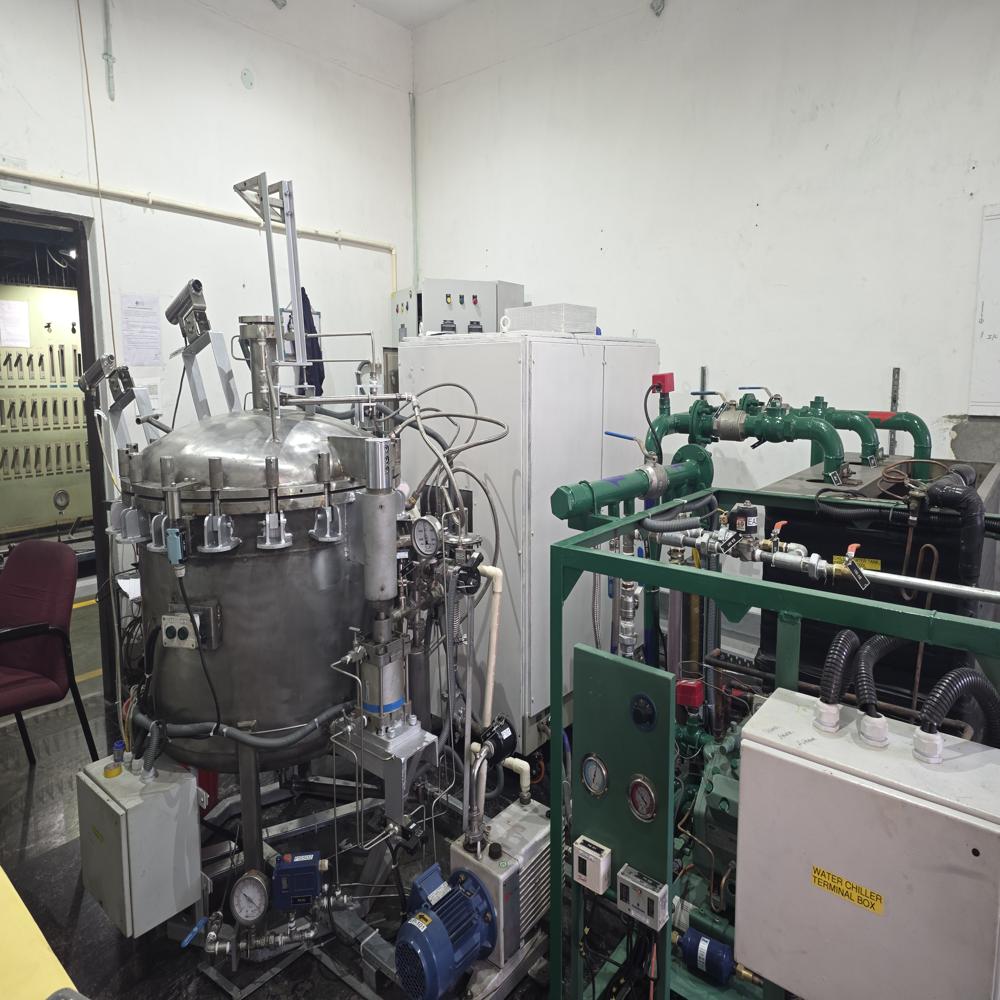
Our Vacuum Sintering Furnaces are built with high-vacuum pumping systems, graphite or refractory-metal heating elements, multilayer insulation and integrated gas quench. Combined sinter-HIP units (sintering + hot isostatic pressing under partial pressure) are available for premium carbide production.
Each unit is engineered around the customers material, target density and throughput.
Characteristics:
- Maximum temperature up to 2200C as required
- Working vacuum down to 10 mbar
- Graphite or refractory metal heating elements
- Multilayer insulation package
- Optional sinter-HIP capability (up to 100 bar)
- Gas quench up to 6 bar / 10 bar
- Multi-zone PLC and SCADA temperature control
- Designed for carbides, nitrides and refractory metals
About United Enterprises:
United Enterprises is a recognised Vacuum Sintering Furnace manufacturer in India with over 25+ years of experience in vacuum thermal processing. We design, manufacture, supply, export and commission tailor-made vacuum sintering furnaces across Asia and Europe. Our turnkey approach, in-house design and CE / ISO compliant manufacturing serve hard metal, refractory and advanced material industries.
FAQs:
Q: Sinter or sinter-HIP which to choose?
A: Sinter-HIP gives near-100% density for premium carbide and refractory parts. Standard vacuum sinter is sufficient for many PM applications.
Q: Which heating element at 2000C+?
A: Graphite or tungsten heating elements with multilayer insulation; the choice depends on atmosphere and material compatibility.
Q: Do you support metallurgical validation?
A: Yes. Trial cycles, density measurement and metallography are supported at commissioning.
Precision Temperature ControlWith a sophisticated PLC-based control system and digital touch screen interface, users can program and monitor precise temperature profiles, ensuring consistent sintering results. The system provides exceptional uniformity (5C), enhancing product quality for even the most demanding industrial applications.
Exceptional Vacuum PerformanceAchieving vacuum levels as low as 103 Pa, this furnace employs stainless steel and vacuum-compatible alloys to maintain high purity environments essential for metals and ceramics processing, minimizing contamination and oxidation during critical sintering processes.
Customizable, Reliable & SafeAvailable in various sizes (from 200 mm to 1000 mm chamber diameter) and capacities (up to 500 kg per batch), this furnace meets diverse manufacturing requirements. Comprehensive safety protocols, including over-temperature, vacuum loss alarms, and emergency shutdown, safeguard both process integrity and operator welfare.
FAQ's of Vacuum Sintering Furnace:
Q: How does the vacuum sintering furnace maintain temperature uniformity throughout the chamber?
A: The furnace uses advanced heating elements (molybdenum, tungsten, or graphite) and a PLC-based control system to distribute heat evenly, maintaining a temperature uniformity of 5C across the entire chamber. This ensures consistent processing and reliable sintered product quality.
Q: What types of atmospheres can be used in this vacuum sintering furnace?
A: This furnace supports a variety of atmospheres, including high vacuum, inert gases such as argon and nitrogen, and reducing atmospheres, providing flexibility for diverse sintering and heat treatment processes.
Q: When is a digital process recorder recommended for use with this furnace?
A: A digital process recorder is recommended when precise documentation and traceability of temperature, vacuum level, and process parameters are required, such as in quality assurance, research, or when compliance with industry standards is necessary.
Q: Where can this vacuum sintering furnace be installed and utilized?
A: The furnace is intended for installation in industrial environments such as metallurgy, ceramics manufacturing, research institutes, and specialized heat treatment facilities, where advanced sintering or precise material processing is required.
Q: How does the cooling system ensure furnace safety and longevity?
A: The integrated water-cooled system efficiently dissipates heat from crucial furnace components, preventing overheating and promoting long equipment life, even during extended high-temperature operations.
Q: What are the advantages of using stainless steel (304/316L) for the chamber construction?
A: Stainless steel (304/316L) offers corrosion resistance, structural strength, and vacuum compatibility, which are essential for maintaining a clean, uncontaminated processing environment and ensuring the durability of the furnace over repeated cycles.
Q: What industrial processes benefit from this vacuum sintering furnace?
A: This furnace is ideal for powder metallurgy, ceramic sintering, and metal heat treatment processes, providing high vacuum sealing, uniform temperature distribution, and programmable controls, all of which contribute to superior finished product quality.









 Send Inquiry

 Send Inquiry
 Send Inquiry
 Send SMS


 English
 Spanish
 French
 German
 Italian
 Chinese (Simplified)
 Japanese
 Korean
 Arabic
 Portuguese