About Binder Burn-Off Furnace
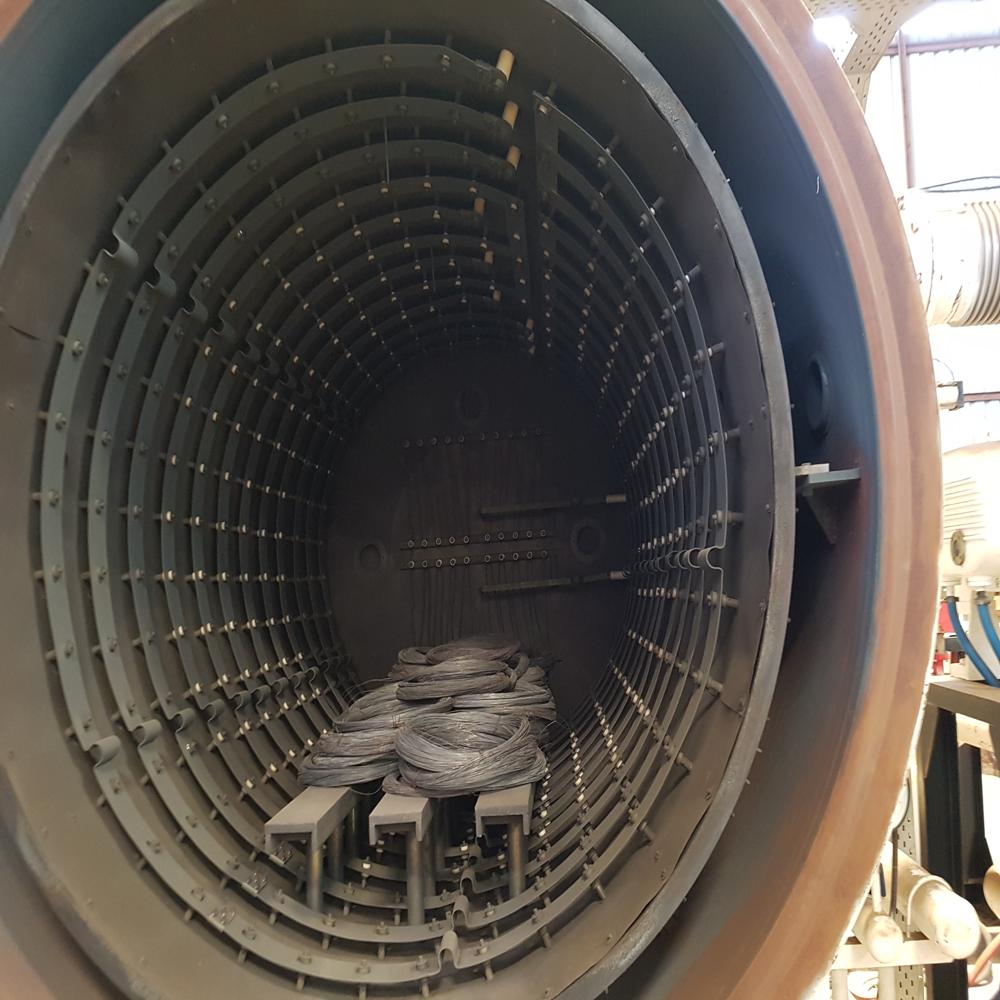
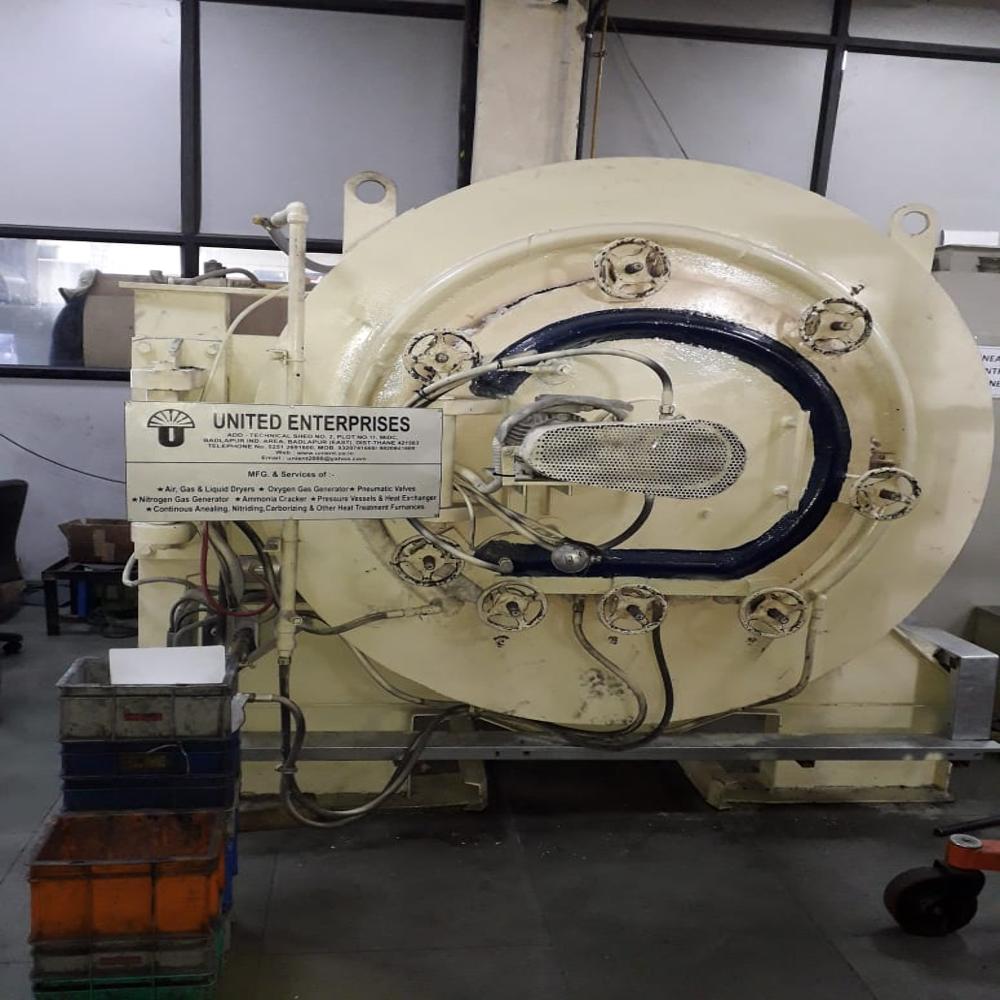
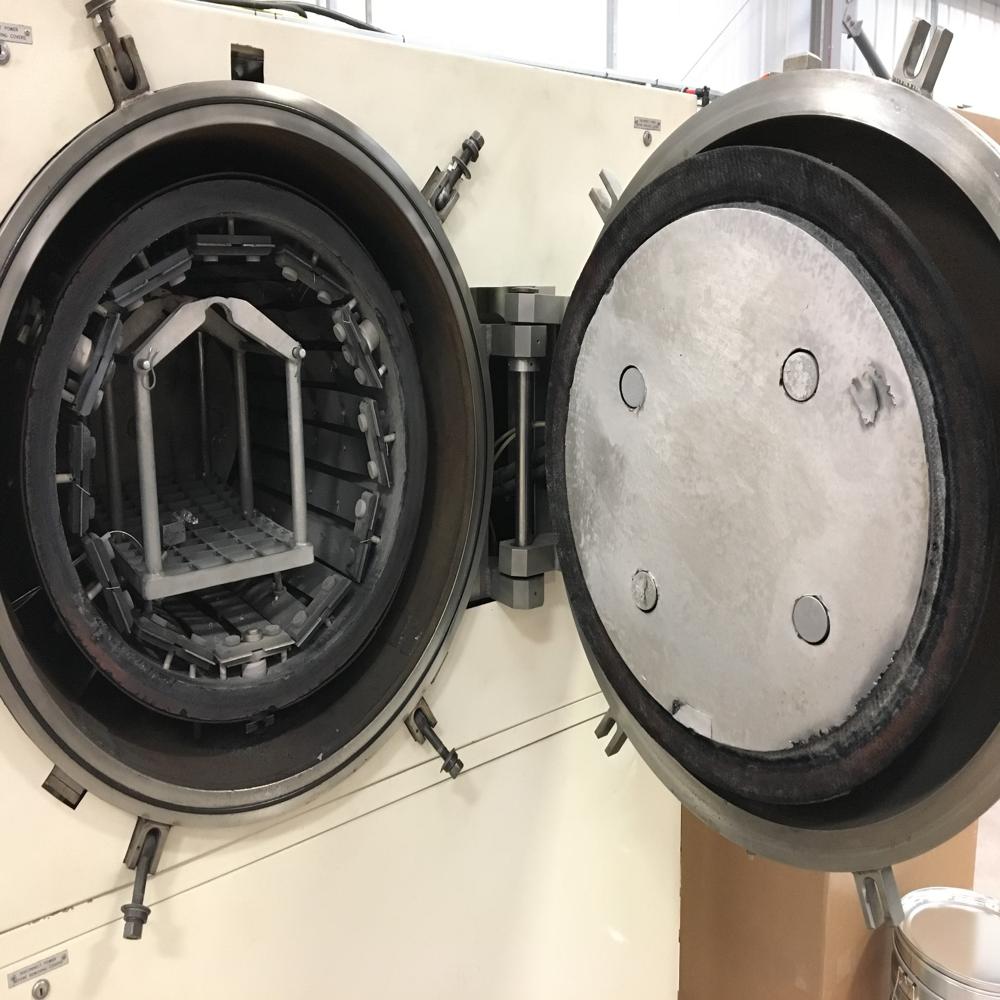
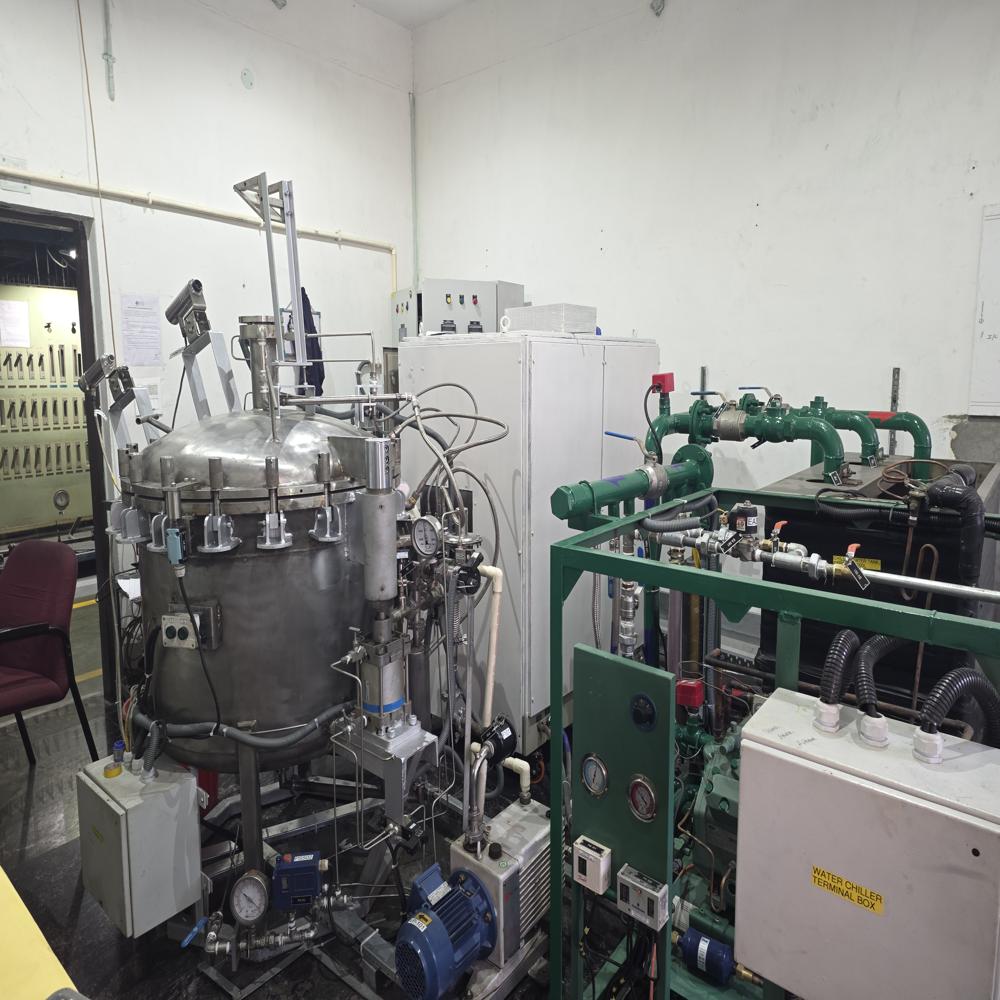
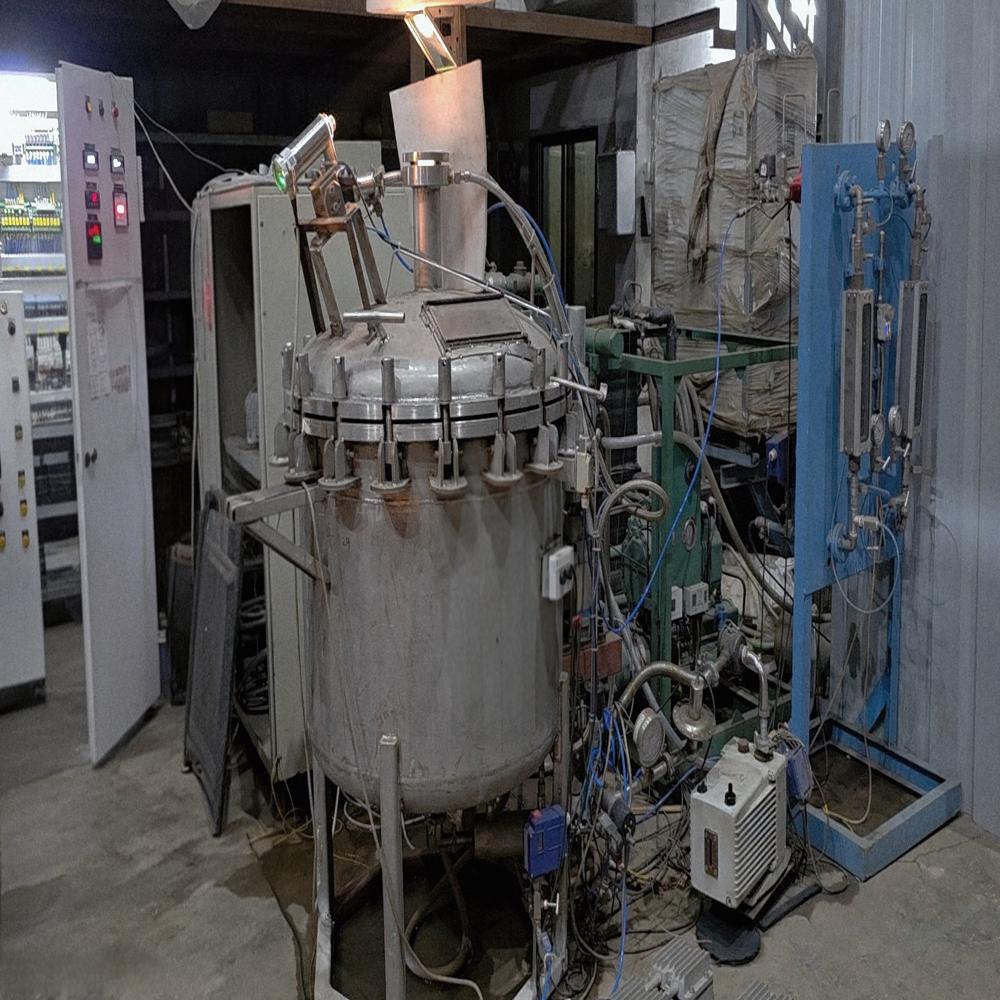
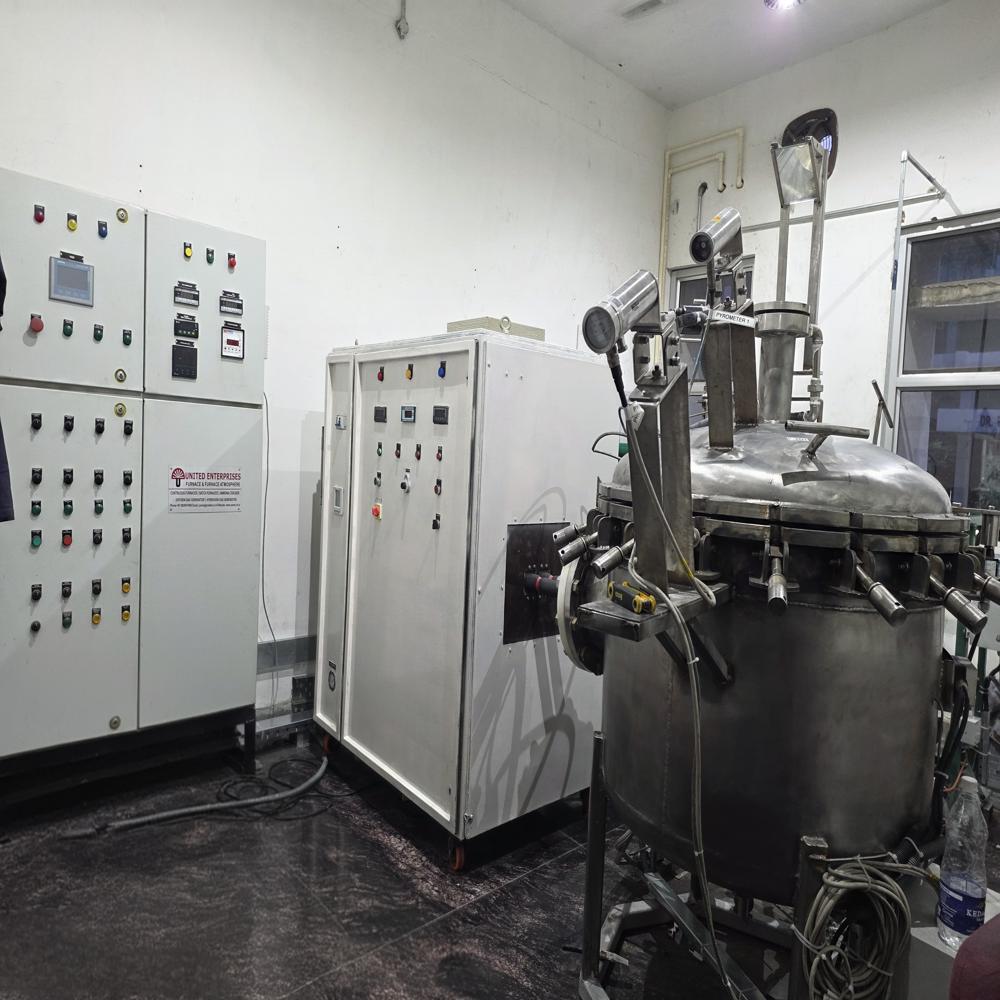
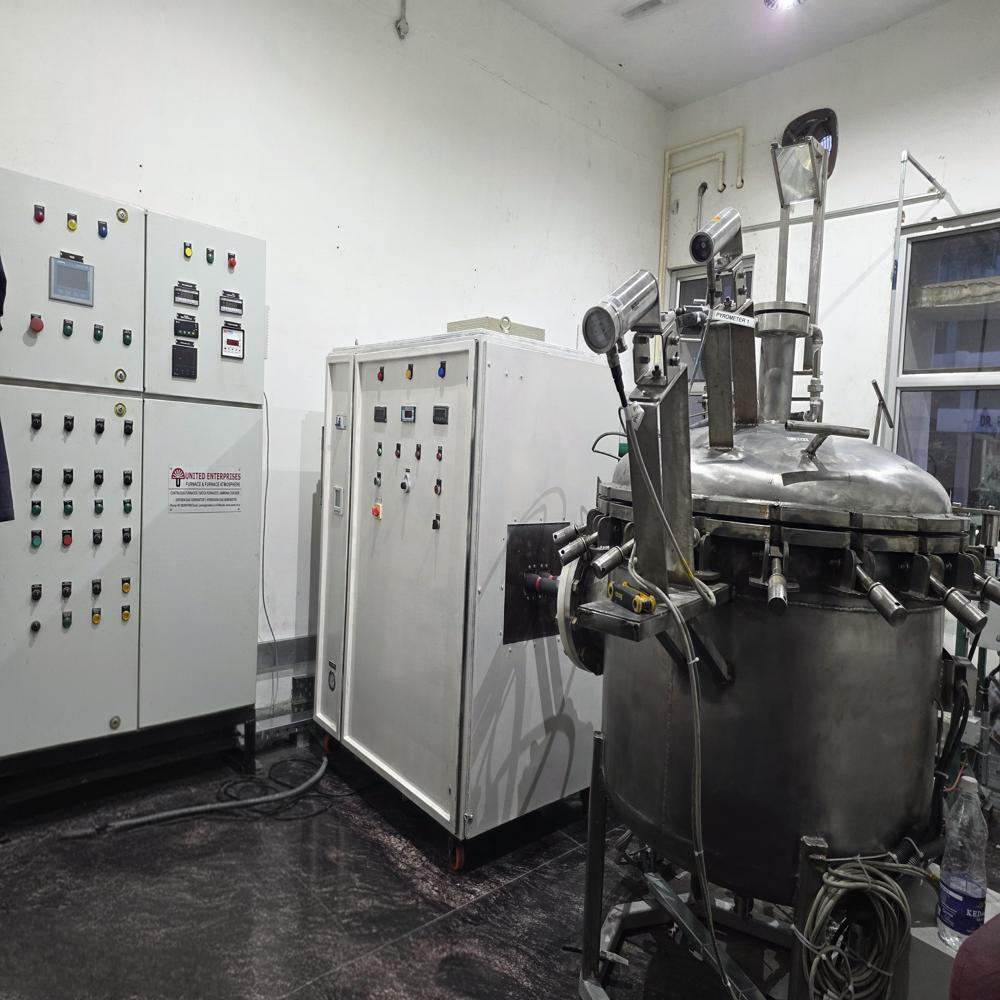
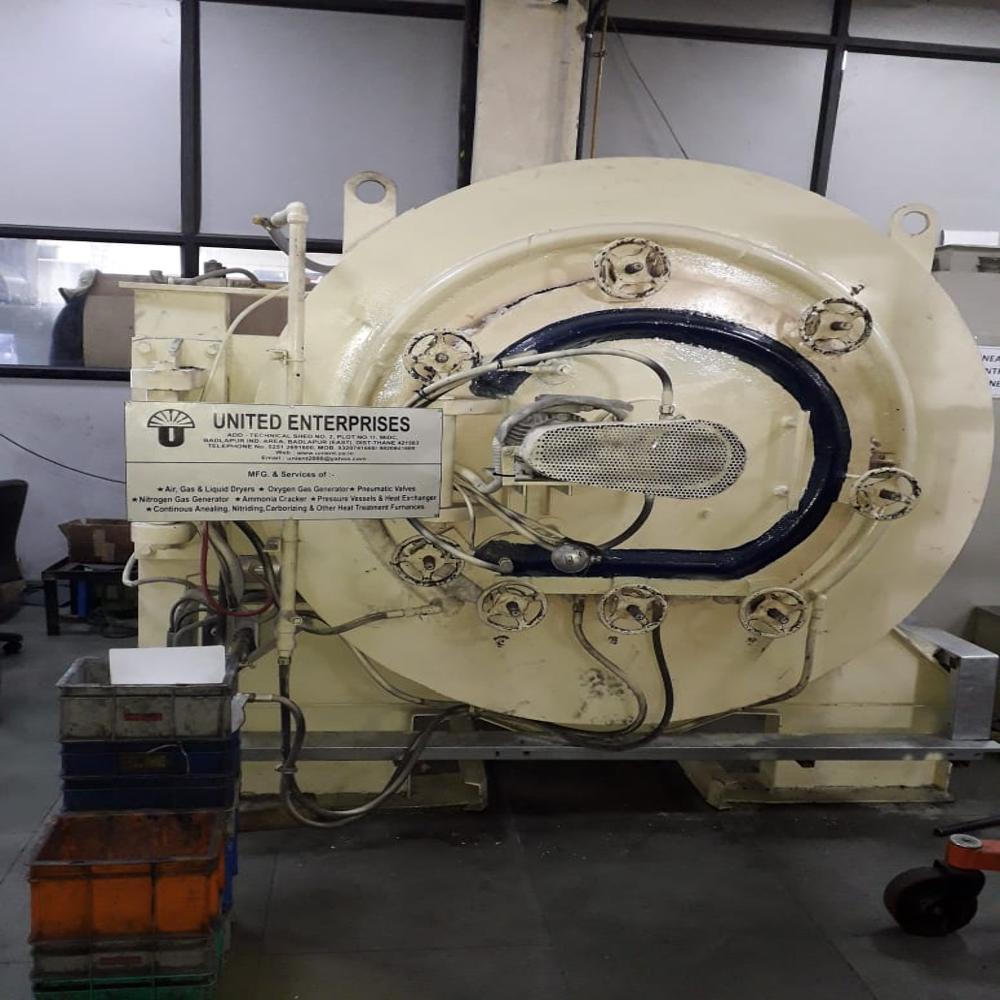
Binder Burn-Off Furnace manufactured by United Enterprises is a controlled-atmosphere furnace built to remove polymer or wax binders from PM, ceramic and advanced material green parts under safe, repeatable conditions.
Brief Description:
Binder burn-off (also called debinding or de-waxing) is the slow, controlled thermal removal of binder from green parts before sintering. Our Binder Burn-Off Furnaces use multi-zone heating, controlled atmosphere (inert, reducing or air) and engineered exhaust to handle binder vapours safely.
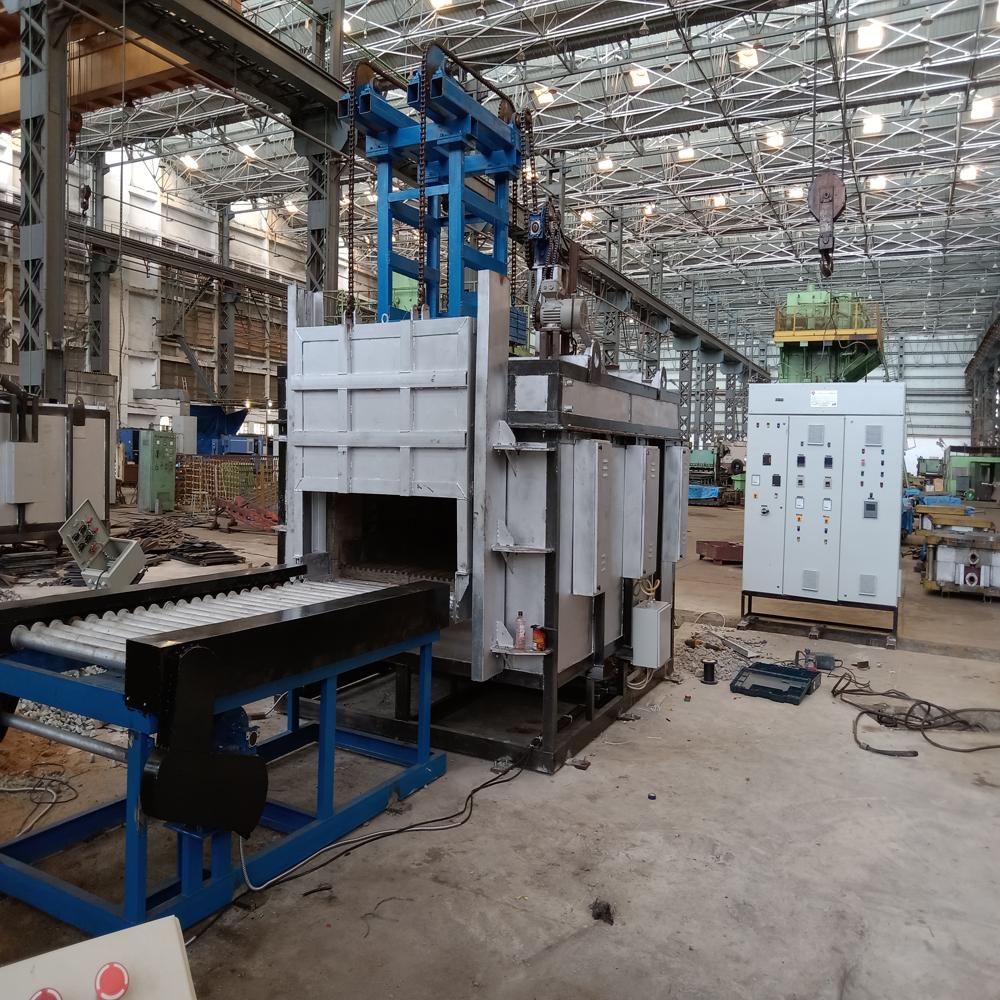
Configurations include batch (box, bell), continuous (mesh belt, pusher) and vacuum types selected as per binder system, green-part geometry and production rate.
Each unit is engineered for the customers binder, atmosphere and throughput target.
Characteristics:
- Designed for binder burn-off (de-binding / de-waxing)
- Maximum temperature up to 800C (typical de-binding range)
- Air / inert / reducing atmosphere options
- Batch (box, bell) or continuous (belt, pusher) configurations
- Engineered exhaust with afterburner or condenser
- Multi-zone PLC and SCADA temperature control
- Low-density high-quality insulation
- Safety interlocks for binder vapour handling
About United Enterprises:
United Enterprises is a recognised Binder Burn-Off Furnace manufacturer in India with over 25+ years of experience in PM and ceramic thermal processing. We design, manufacture, supply, export and commission tailor-made binder burn-off furnaces across Asia and Europe. Our turnkey approach, in-house design and CE / ISO compliant manufacturing serve PM, ceramic and refractory industries.
FAQs:
Q: Air, inert or reducing which to choose?
A: Depends on binder chemistry, base material and downstream sintering. Air burn-off works for oxide ceramics; inert/reducing for metallic parts.
Q: How are vapours handled safely?
A: Through engineered exhaust, afterburners and condensers, sized for the binder vapour load.
Q: Can it be combined with sintering?
A: Yes. Combined de-binding + sintering furnaces save floor space and handling.
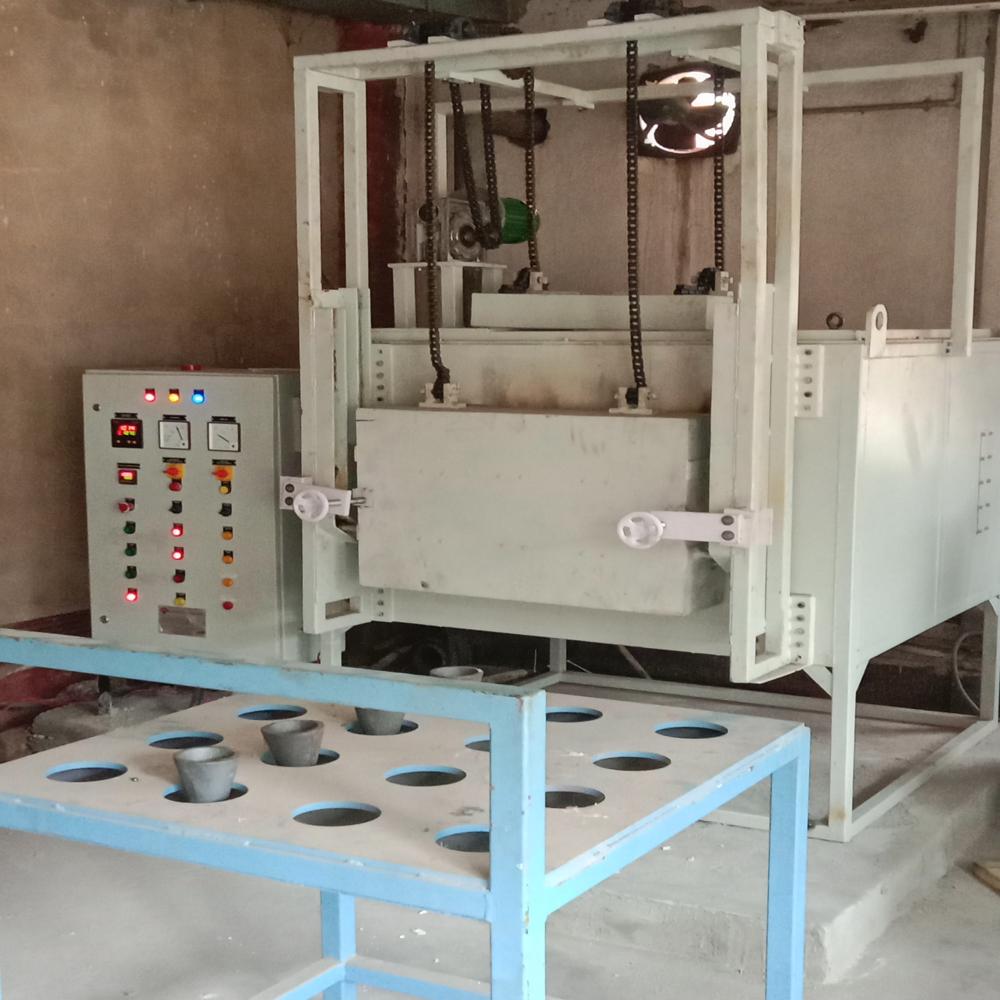
Advanced Thermal ControlEquipped with a PID-based digital or programmable controller, this furnace ensures stable and precise temperature regulation up to 1200C. The digital LED or LCD display provides clear, real-time monitoring and programmable cycle times for flexible, application-dependent operation.
Robust Construction and SafetyThe chamber is built using high-grade refractory brick or SS304 stainless steel for durability and heat resistance. Integrated safety features, including over-temperature protection, automatic shut-off, and insulated front loading doors, guarantee safe operation during intensive industrial applications.
Flexible Usage and CustomizationWith customizable dimensions, loading capacities (50-500 kg/batch), and atmospheric conditions (air or nitrogen), this furnace serves a wide array of processes like debinding, binder removal, and sintering. Options for manual or automatic operation and natural or forced air cooling are available to match specific user requirements.
FAQ's of Binder Burn-Off Furnace:
Q: How does the Binder Burn-Off Furnace ensure uniform heating during operation?
A: Uniform heating is achieved through the use of Kanthal/NiCr or silicon carbide heating elements, supported by a robust insulation system up to 150 mm thick. This design, coupled with advanced PID digital temperature control, maintains consistent thermal distribution throughout the process.
Q: What safety features are integrated into this furnace?
A: The furnace includes over-temperature protection, an automatic shut-off system, and insulated, front-loading doors. These features reduce the risk of overheating and ensure operator safety during high-temperature industrial applications.
Q: When should I use air or nitrogen as the furnace atmosphere?
A: Air is typically used for standard debinding and heat treatment processes. Nitrogen can be selected as an optional atmosphere when oxidation needs to be minimized or controlled during binder burn-off or sintering operations, providing process flexibility according to material requirements.
Q: Where is this Binder Burn-Off Furnace most effectively used?
A: This furnace is highly effective in industrial settings such as manufacturing plants, research facilities, and production units that perform binder removal, heat treatment, or sintering of materials like ceramics, metals, or composite components.
Q: What is the process for operating the programmable cycle time?
A: Using the programmable digital controller, you can set specific temperatures and time durations for each phase of the furnace cycle. This allows for precise tailoring of the heating, holding, and cooling stages to meet the requirements of different materials and processes.
Q: What are the benefits of using a PID-based controller for temperature regulation?
A: A PID-based digital controller stabilizes temperature fluctuations and enables fine-tuned adjustments throughout the operation. This leads to higher process accuracy, improved material outcomes, and reduced risk of product defects.









 Send Inquiry

 Send Inquiry
 Send Inquiry
 Send SMS


 English
 Spanish
 French
 German
 Italian
 Chinese (Simplified)
 Japanese
 Korean
 Arabic
 Portuguese