About Carbonization Furnace
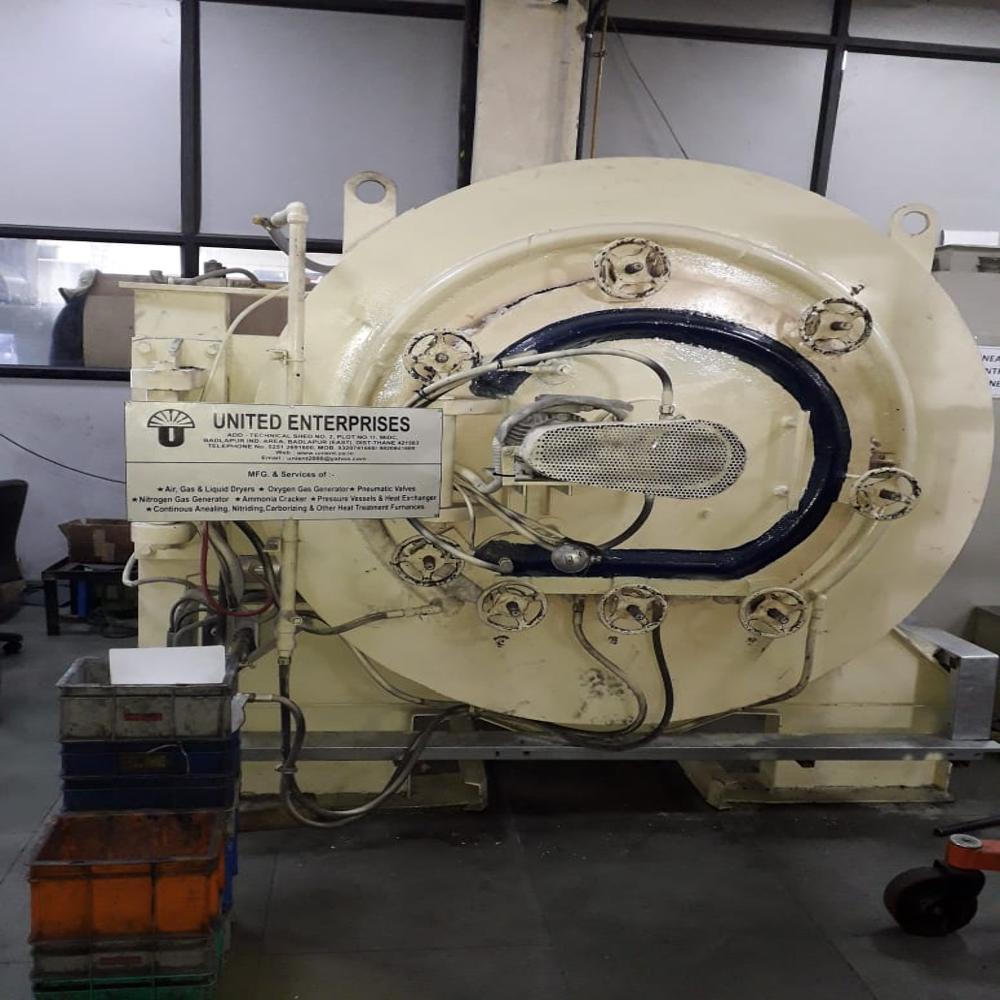
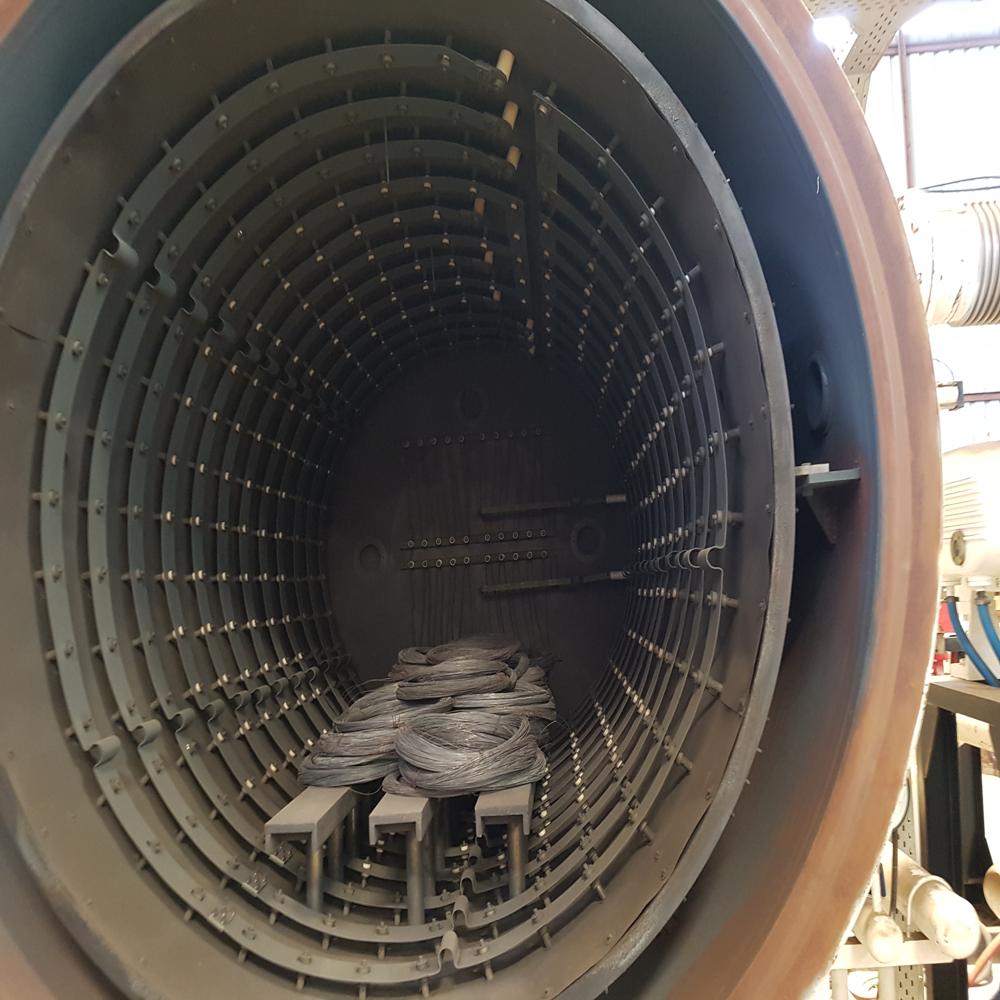
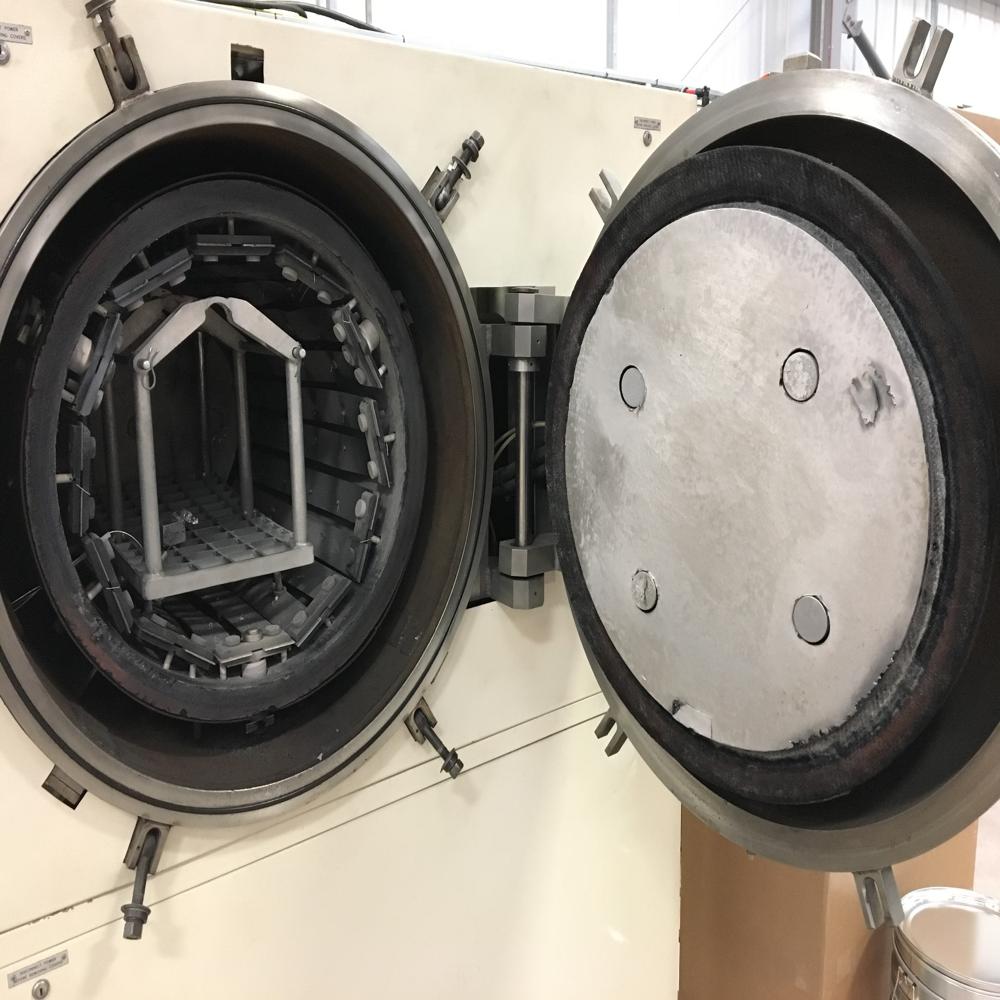
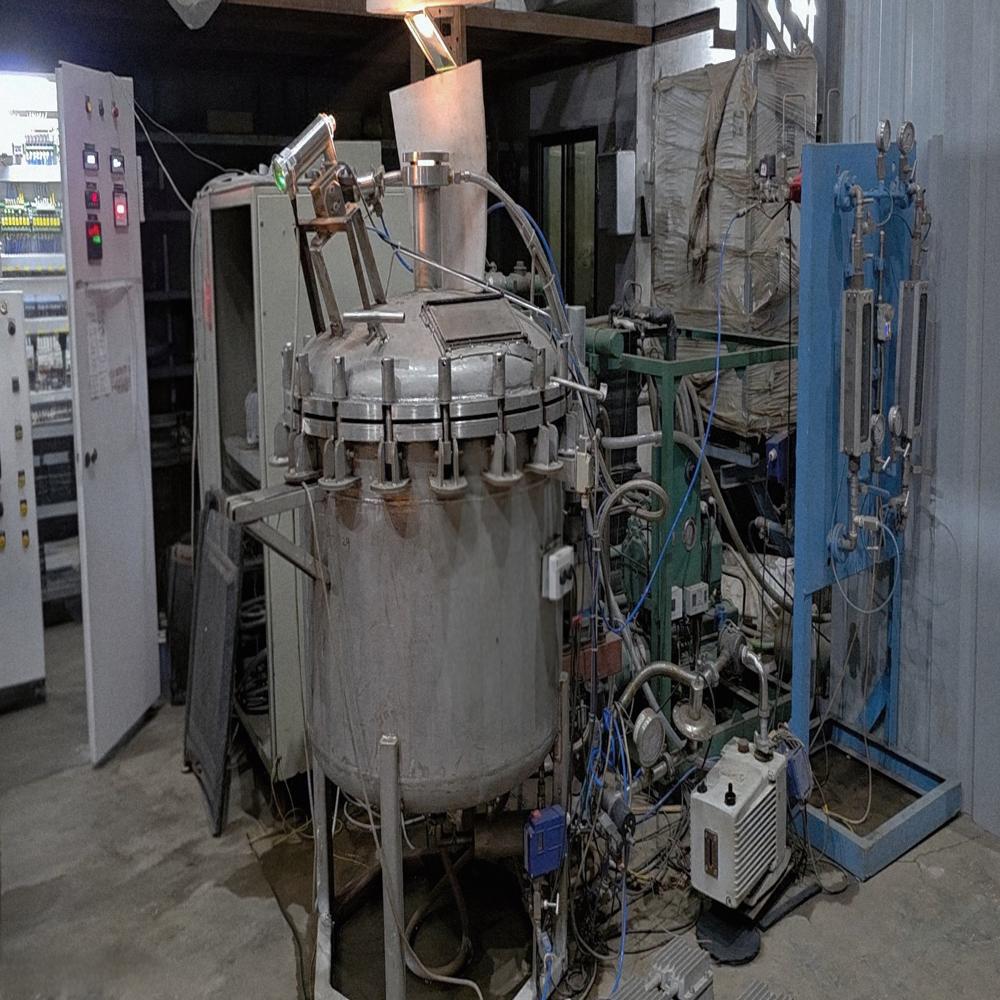
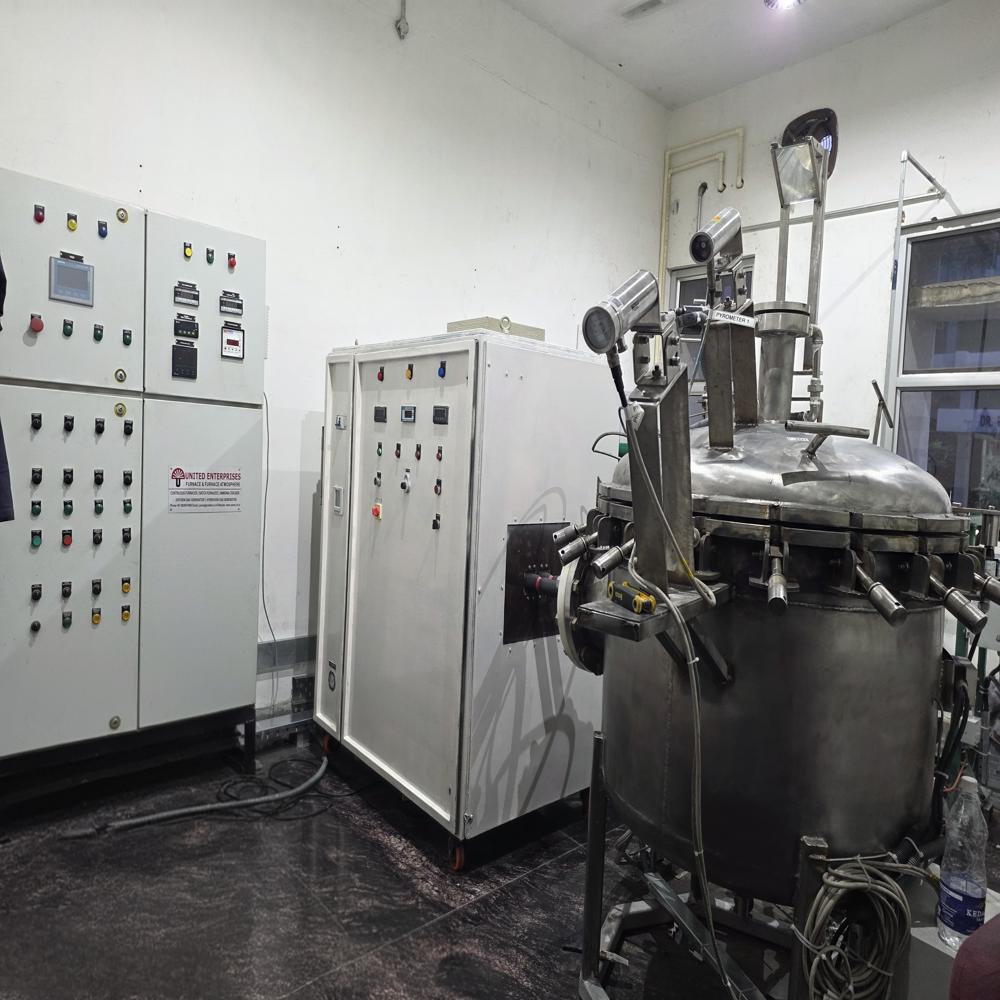
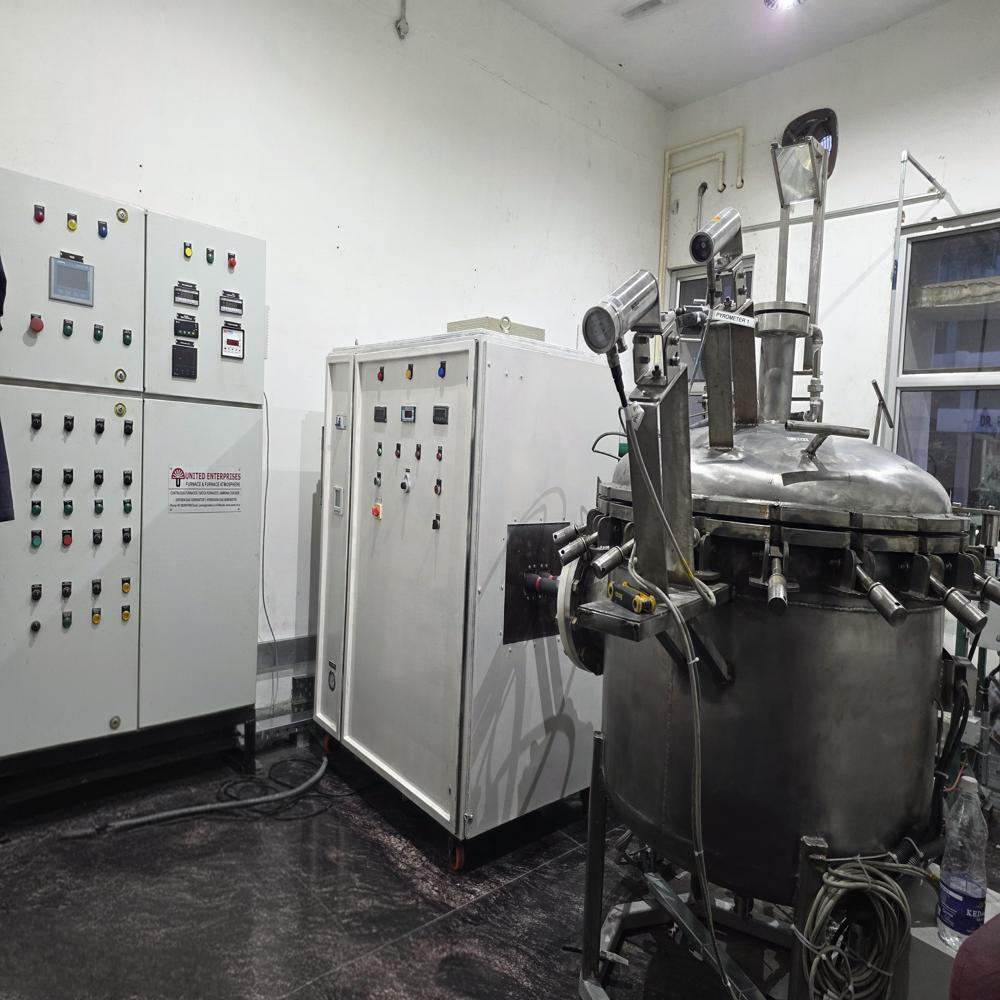
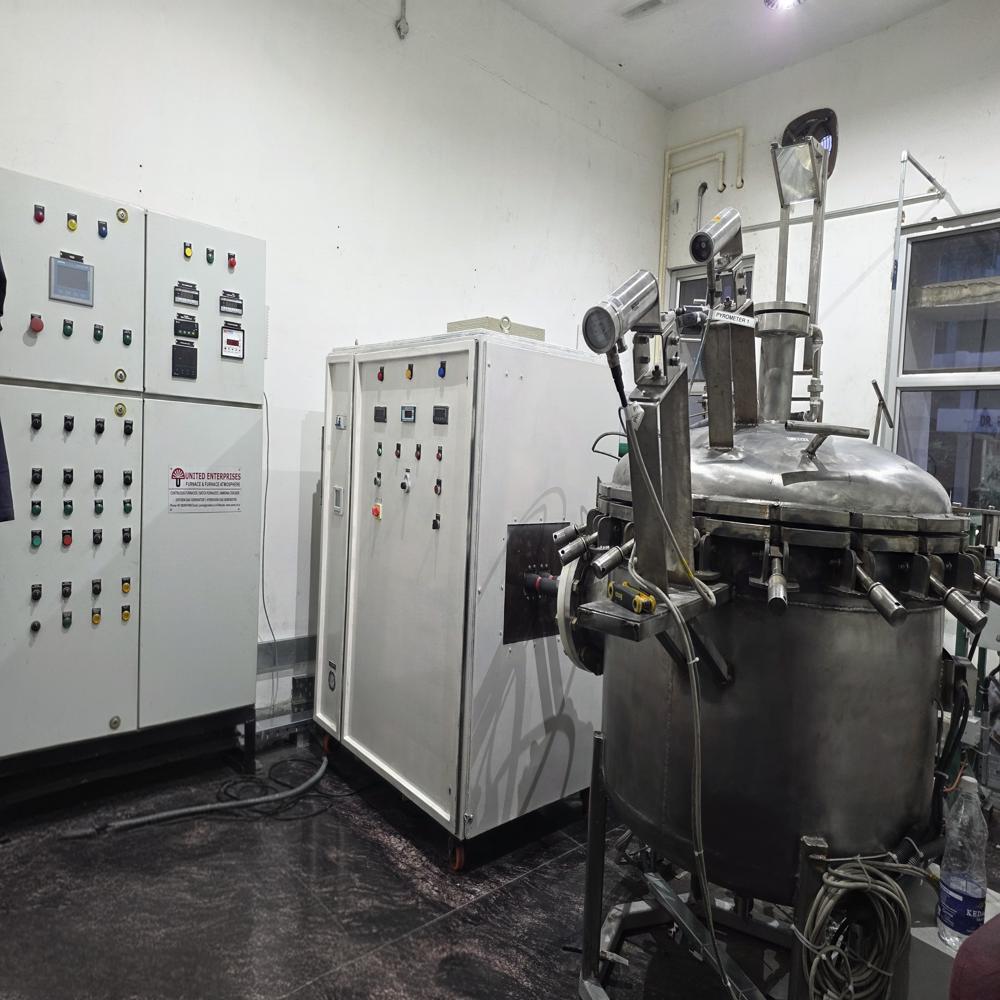
Carbonization Furnace manufactured by United Enterprises is a controlled-atmosphere furnace built for carbonization of organic precursors such as polyacrylonitrile fibres, wood, coconut shell, pitch and resin into carbon-rich products.
Brief Description:
Carbonization is the thermal decomposition of organic precursors in an inert atmosphere driving off volatile components and leaving a carbon-rich solid. Applications include carbon fibre production, activated carbon manufacturing and specialty char production.
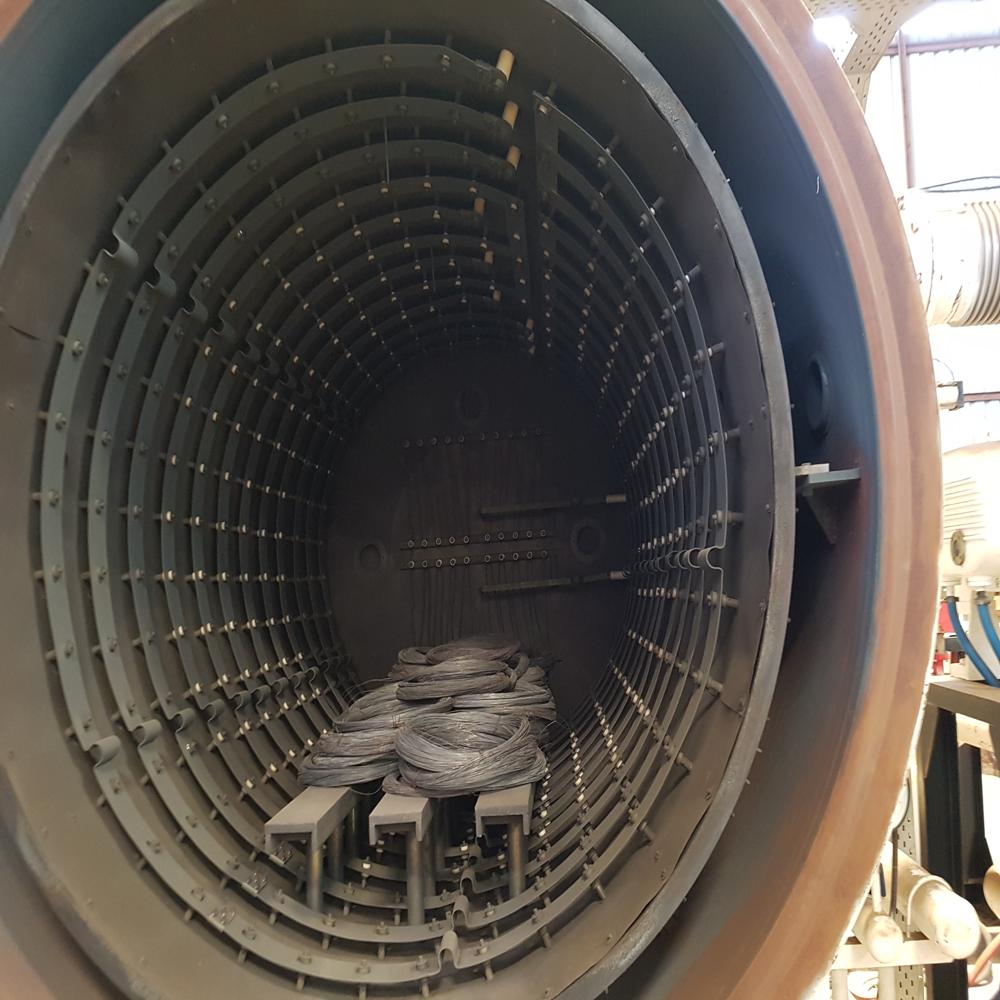
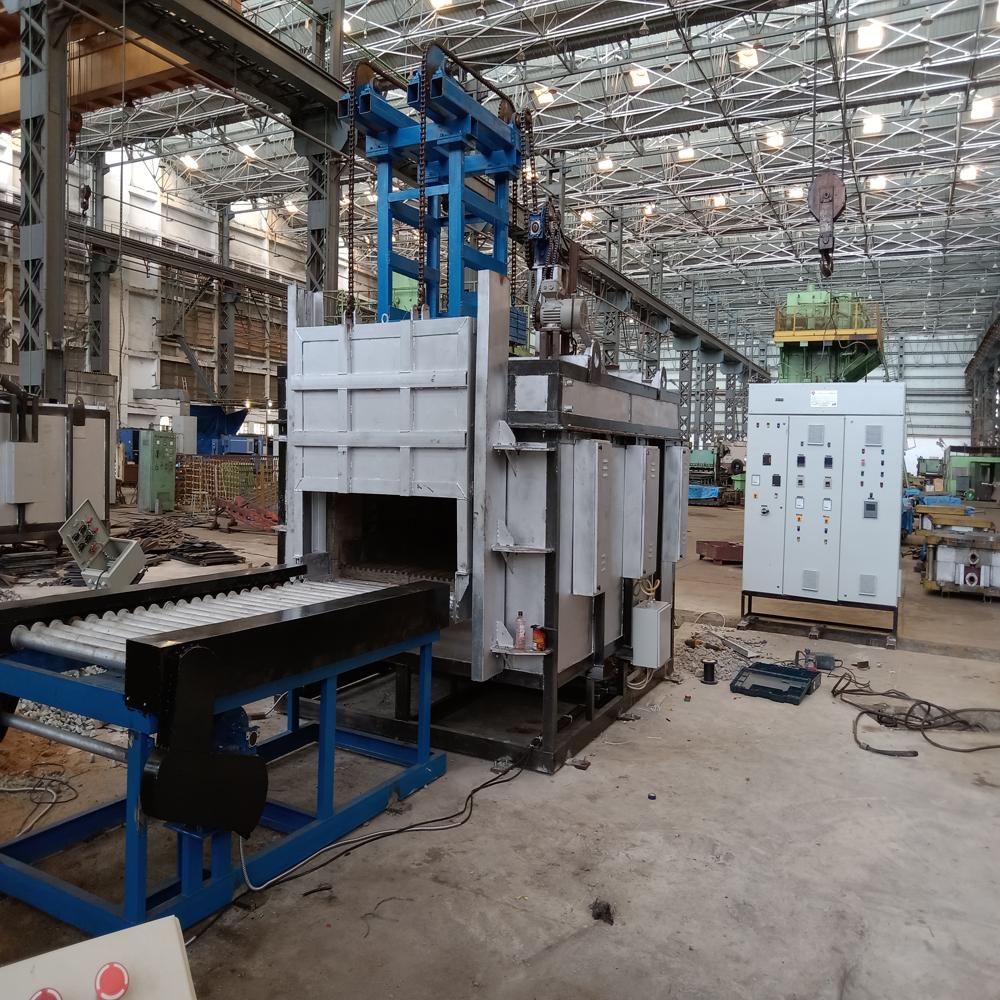
Our carbonization furnaces are offered in continuous (roller hearth, pusher, rotary) and batch configurations, with multi-zone temperature control, gas-tight construction and engineered exhaust systems for safe handling of volatile by-products.
Each furnace is engineered around the customers precursor, target carbon yield and throughput.
Characteristics:
- Designed for carbonization of organic precursors
- Maximum temperature up to 1100C
- Inert (nitrogen / argon) atmosphere
- Continuous or batch configurations
- Available in electric and recuperative gas-fired versions
- Engineered exhaust for volatile by-products
- Multi-zone PLC and SCADA temperature control
- Low-density high-quality insulation
About United Enterprises:
United Enterprises is a recognised Carbonization Furnace manufacturer in India with over 25+ years of experience in specialty thermal processing systems. We design, manufacture, supply, export and commission tailor-made carbonization furnaces across Asia and Europe. Our turnkey approach, in-house design and CE / ISO compliant manufacturing serve carbon fibre, activated carbon and specialty char industries.
FAQs:
Q: Which precursors can be carbonized?
A: Polyacrylonitrile (PAN) fibres, wood, coconut shell, pitch, resin and many other organic feedstocks design depends on volatile content.
Q: How are volatiles handled safely?
A: Through engineered exhaust systems with afterburners or scrubbers, sized for the volatile load.
Q: Do you support pilot-scale trials?
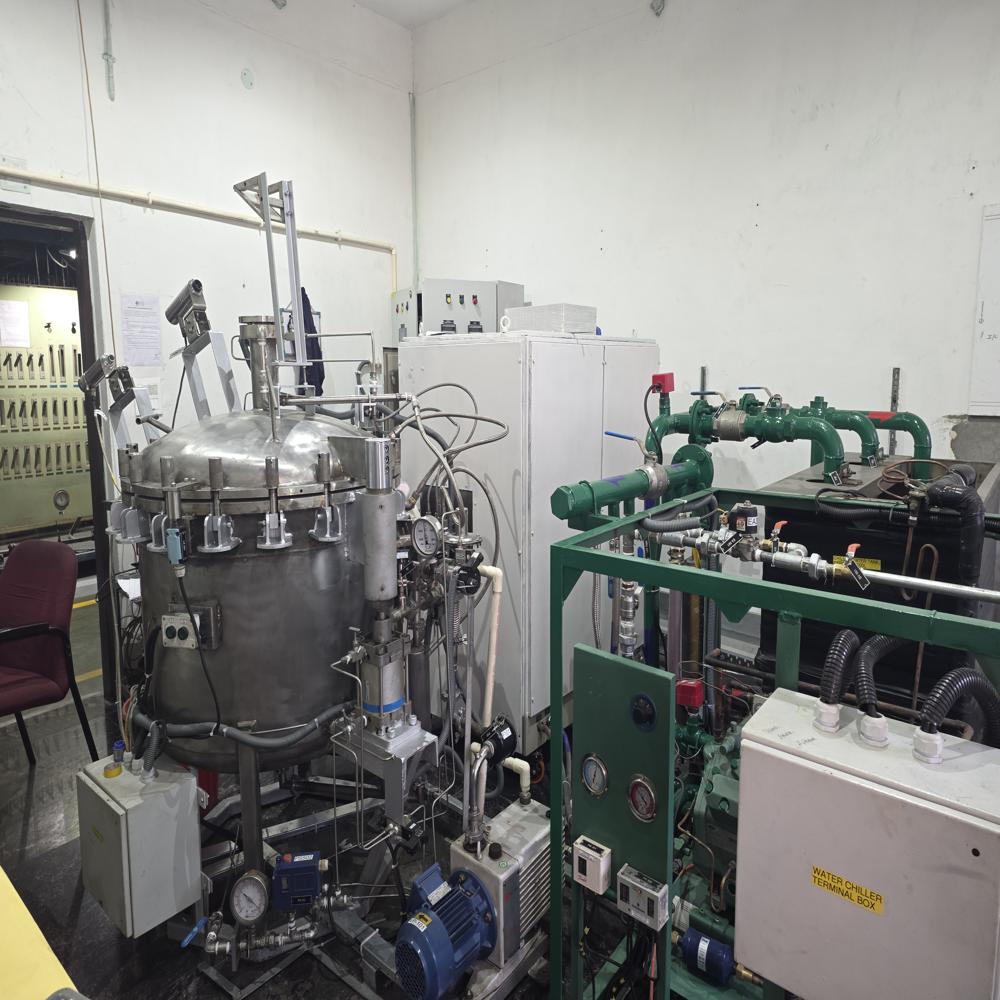
A: Yes. Pilot-scale carbonization furnaces for R&D and process development are part of our standard offering.
Superior Carbonization EfficiencyThis batch-type furnace employs advanced thermal insulation and a precisely regulated electric/manual control method to achieve a high carbonization rate, consistently producing top-quality charcoal with fixed carbon content exceeding 85%. Its design optimizes heat retention, reduces production times, and elevates output standards for industrial applications.
Robust Safety and Environmental FeaturesSafety is prioritized with integrated overheat protection and a pressure relief valve, safeguarding both operators and equipment. The furnished cyclone dust collector ensures low emissions, contributing to a cleaner workplace and reduced environmental footprint. The system supports compliance with international environmental and safety standards.
Flexible Application with Customizable DesignEngineered for versatility, the furnace processes various raw materials-wood, coconut shells, bamboo, and more. Available in standard dimensions or tailored to your requirements, it accommodates diverse production capacities, making it suitable for different scales of charcoal and biomass carbonization operations.
FAQ's of Carbonization Furnace:
Q: How does the carbonization process work in this furnace?
A: The carbonization furnace operates in batch mode by heating raw biomass materials (such as wood logs, branches, or agricultural waste) in a controlled, oxygen-limited environment at temperatures ranging from 400C to 900C. This process removes volatile components, resulting in high-quality charcoal with a fixed carbon content greater than 85%.
Q: What materials can be used as feedstock for this furnace?
A: The furnace is compatible with a wide variety of raw materials, including wood logs, branches, sawdust, coconut shells, bamboo, and agricultural waste. This flexibility makes it ideal for diverse charcoal production and biomass carbonization applications.
Q: When is the optimal time to use the carbonization furnace?
A: The furnace is best used when you require consistent, large-scale charcoal production. Its industrial-grade design supports continuous operation during major production shifts, making it suitable for manufacturers, suppliers, and exporters of charcoal.
Q: Where is the carbonization furnace typically installed?
A: Due to its stationary and robust design, this furnace is commonly installed in industrial settings such as biomass processing facilities, charcoal production plants, or large agro-industrial sites. It is not intended for portable or residential use.
Q: What are the key benefits of using this carbonization furnace?
A: Key advantages include high carbonization efficiency, low emission output, durable structure, robust safety features, and the ability to process diverse biomass materials. These factors ensure high-yield, high-quality charcoal production with minimal environmental impact.
Q: How is safety managed during the carbonization process?
A: Safety is ensured through multiple features including integrated overheat protection, a pressure relief valve, and a water cooling jacket. An operator can control the process manually or electrically, ensuring flexible and safe management.
Q: What control methods and power options are available for this furnace?
A: The furnace can be operated both electrically and manually, accommodating different user preferences and site requirements. It supports a power range of 15-30 kW and operates on standard industrial voltage (220-380 V), compatible with either wood, coal, or electricity as fuel.









 Send Inquiry

 Send Inquiry
 Send Inquiry
 Send SMS


 English
 Spanish
 French
 German
 Italian
 Chinese (Simplified)
 Japanese
 Korean
 Arabic
 Portuguese