
 Get a Quote
 Send Inquiry
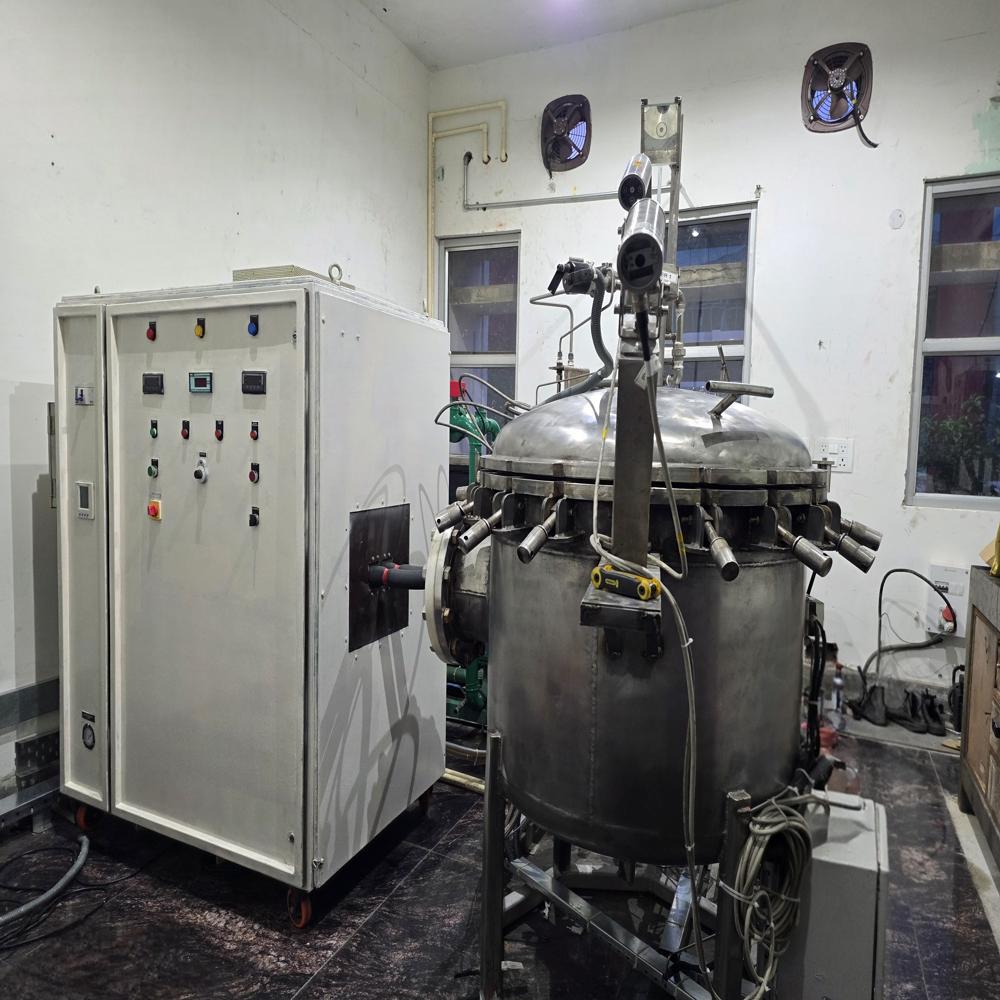
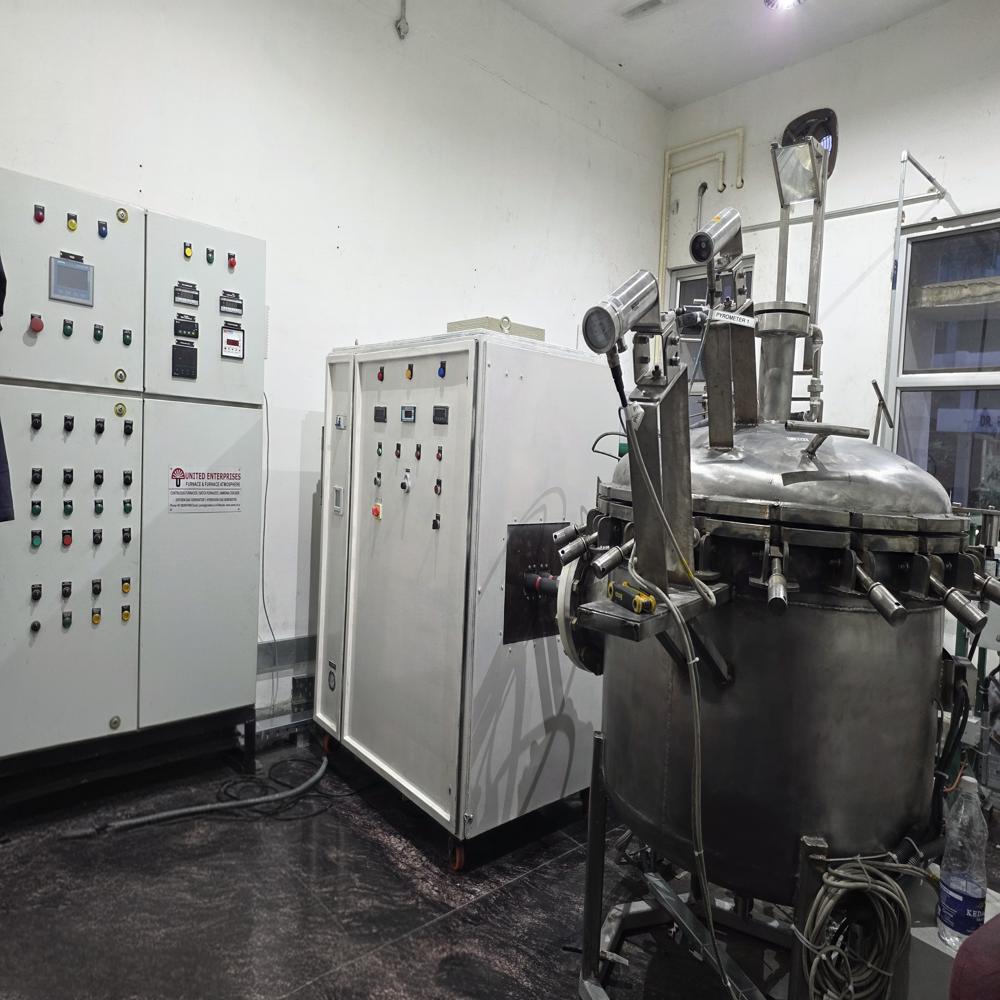
Graphitization Furnace
Price 8000000.0 INR/ Piece
MOQ : 1 Piece
Graphitization Furnace Specification
- Rating
- Up to 3200C
- Feature
- High temperature, fully sealed, energy saving, PLC Control, rapid heating & cooling
- Condition
- New
- Type
- Vacuum/Thermal Graphitization Furnace
- Usage
- Graphitizing Carbon & Carbon Composite Materials
- Power
- Electric/Induction
- Voltage
- 380V/415V/Customized
- Size
- Customizable as per client requirements
- Dimensions
- Varies by model (e.g. 2m x 2m x 3m)
- Weight
- Up to 10 Tons as per model
- Application
- Graphitization, High-Temperature Thermal Treatment
- Fuel Type
- Electrical
- Capacity
- 300 kg to 3 Tons per batch
- Service Life
- >10 years with proper maintenance
- Door Mechanism
- Hydraulic/Electric Automated
- Max Load Height
- 1.2 meters (customizable)
- Atmosphere
- Vacuum or Inert Gas (Argon/Nitrogen)
- Chamber Material
- High Purity Graphite
- Cooling Method
- Water-cooled system
- Insulation
- Carbon Felt/Graphite Felt
- Control System
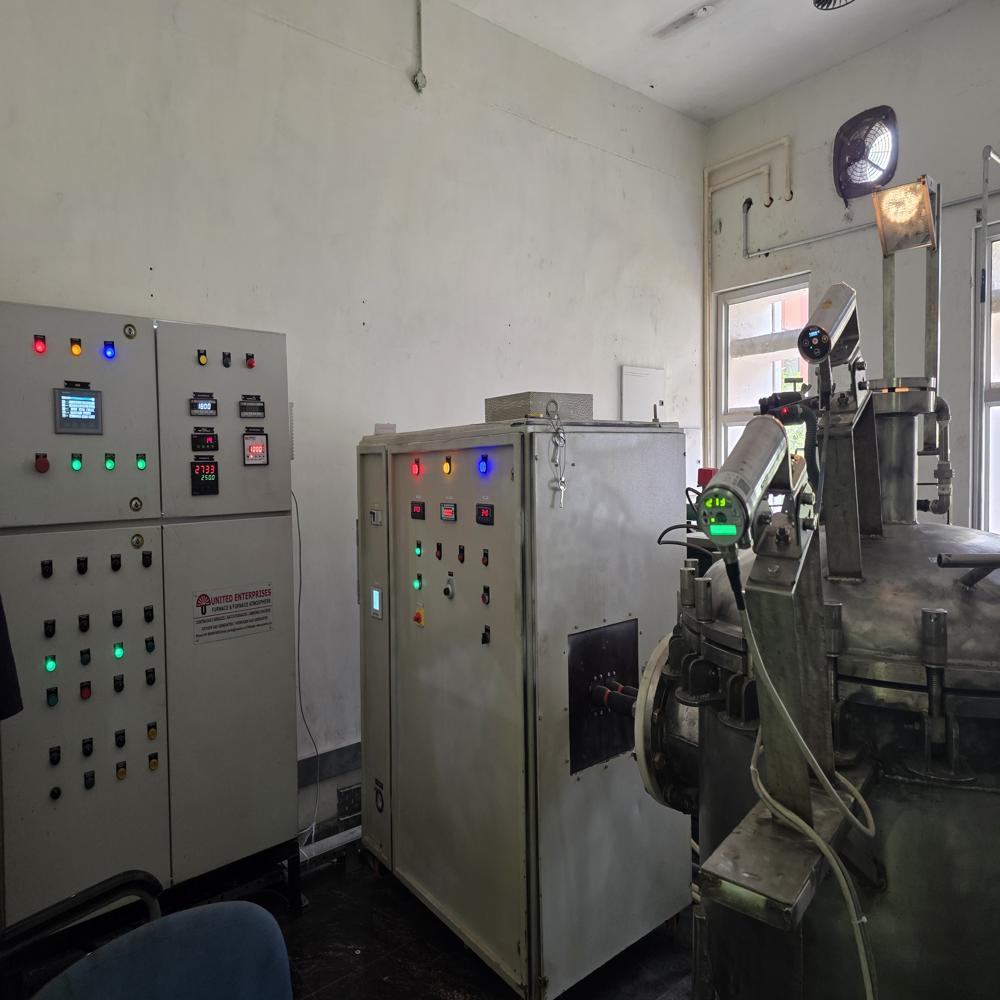
- Automatic PLC touch panel
- Temperature Uniformity
- 15C
- Max Operating Temperature
- 3200C
- Heating Element
- High Purity Graphite Rod or Induction Coil
- Safety Features
- Over-temperature protection, multiple fail-safes
- Process Time
- 8-48 hours, adjustable
About Graphitization Furnace
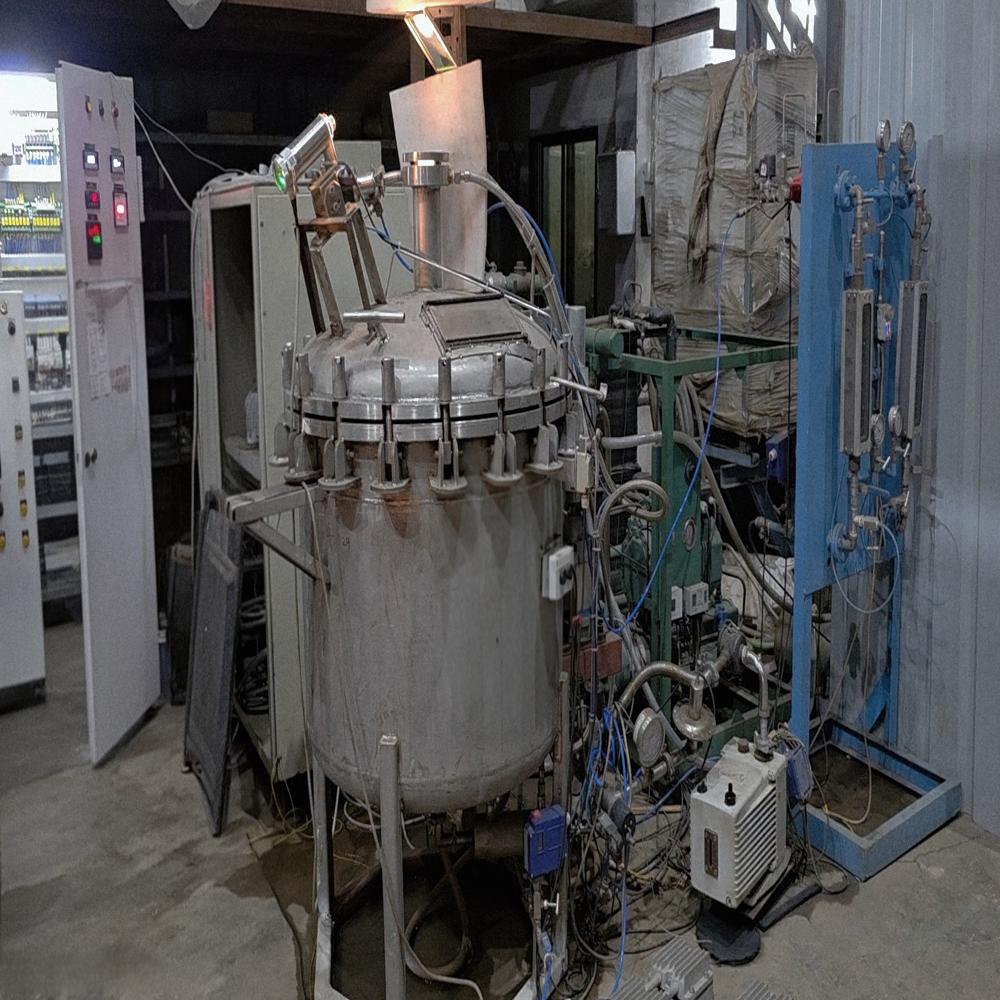
Graphitization Furnace manufactured by United Enterprises is a high-temperature furnace built to transform amorphous carbon into ordered graphite by heating to temperatures up to 3000C in an inert or vacuum atmosphere.
Brief Description:
We manufacture and export best-in-class Graphitization Furnaces, used in the production of ultra-high-purity graphite electrodes, specialty carbon products and advanced carbon composites. The process is carried out in vacuum or inert atmosphere at temperatures up to 3000C far above the range of conventional industrial furnaces.
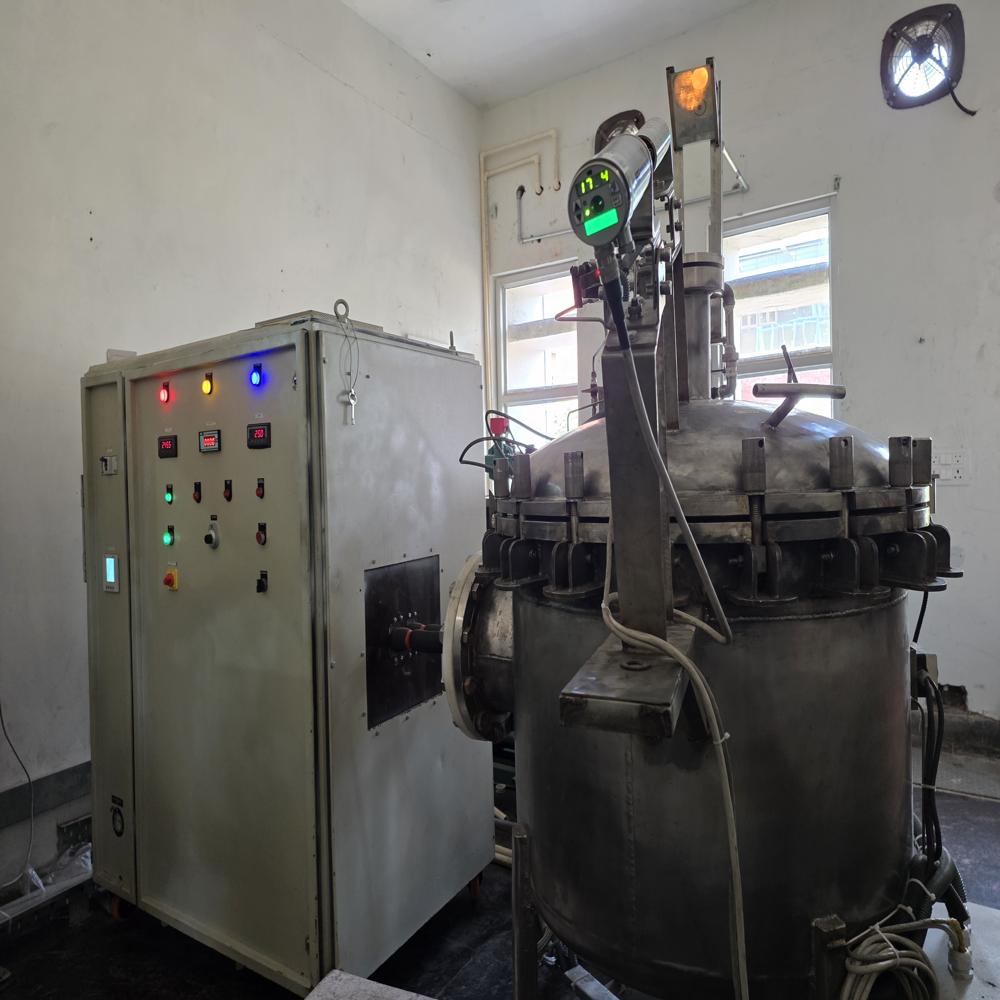
Specialised refractory designs, heavy-duty graphite or tungsten heating elements, water-cooled jackets and complex insulation packages are essential. Our Graphitization Furnaces feature multi-zone heating, optical temperature sensing, vacuum and inert atmosphere capability, and PLC / SCADA-based recipe control.
Each unit is engineered around the customers product, cycle time and atmosphere requirement.
Characteristics:
- Maximum temperature up to 3000C
- Vacuum and inert atmosphere capability
- Graphite or tungsten heating elements
- Water-cooled steel shell with multilayer insulation
- Optical pyrometer temperature sensing
- Multi-zone PLC and SCADA temperature control
- Designed for graphite electrodes and specialty carbon products
- Robust safety interlocks and instrumentation
About United Enterprises:
United Enterprises is over 25+ years experienced Graphitization Furnace manufacturer in India. We design, manufacture, supply, export and commission tailor-made Graphitization Furnaces across Asia and Europe. Established in 1998, we are an established manufacturer and exporter in India, supplying graphite electrode, advanced carbon and specialty industries all under CE and ISO standards.
FAQs:
Q: Why are graphitization temperatures so high?
A: Carbon must be heated to about 3000C to fully transform into ordered graphite with the right electrical and thermal properties.
Q: Inert or vacuum?
A: Both are used; vacuum is preferred for high-purity applications, inert (argon) for general graphite electrode production.
Q: How is temperature measured at 3000C?
A: Through optical pyrometry with redundant sensors thermocouples are not viable at such temperatures.
Superior Temperature Control and Uniformity
Precision is vital in the graphitization process. With a high-purity graphite chamber and advanced PLC-controlled system, this furnace delivers reliable temperature uniformity (15C) across the load, crucial for consistent graphitization of carbon-based materials. The fully automated touch panel ensures operational ease and tight process regulation, while water-cooled components maintain system stability even at maximum operating temperatures of 3200C.
Flexible and Customizable Design
To accommodate varying processing needs, the furnace design offers customizable chamber sizes, load heights (up to 1.2 meters or as required), and batch capacities ranging from 300 kg to 3 tons. Adaptability extends to the power system (electric or induction), door mechanism (hydraulic/electric), and voltage options (380V/415V/customized), making this solution ideal for both small-scale R&D and large-volume industrial applications.
Enhanced Safety and Longevity
Safety is built into every aspect of the furnace, with integrated over-temperature protection and several fail-safe mechanisms to minimize risk. The robust construction, quality insulation (carbon or graphite felt), and top-grade graphite components ensure the furnace endures intense operational cycles with a service life exceeding 10 years, provided routine maintenance is observed.
FAQ's of Graphitization Furnace:
Q: How does the automatic PLC touch panel control enhance furnace operation?
A: The PLC touch panel control system automates temperature regulation, cycle timing, and safety functions, reducing the need for manual intervention. This increases process precision, minimizes human error, and streamlines operation, delivering consistent results and improving overall productivity.Q: What materials can be processed in this graphitization furnace?
A: The furnace is engineered for the graphitization and thermal treatment of carbon and carbon composite materials. Its robust design, temperature uniformity, and choice of atmosphere (vacuum or inert gas) allow efficient processing of graphite electrodes, carbon fibers, and high-purity graphite parts.Q: When should the furnace atmosphere be chosen as vacuum or inert gas?
A: Vacuum is typically selected for applications requiring extremely pure environmental conditions, reducing contamination and oxidation. Inert gases such as argon or nitrogen are preferred for processing sensitive materials that might react with oxygen at high temperatures or where control over the atmosphere's composition is necessary.Q: Where can this furnace be installed and what installation requirements should be considered?
A: This furnace can be installed in industrial facilities, research institutes, or manufacturing plants requiring high-temperature graphitization. Key installation considerations include sufficient space for the customizable furnace dimensions, reliable electrical supply (380V/415V/customized), water-cooling provisions, and appropriate ventilation for safe operation.Q: How does the water-cooled system contribute to furnace performance and safety?
A: The water-cooled system helps regulate temperatures in critical components, such as the chamber wall and door seals, preventing overheating. This ensures stable furnace operation at elevated temperatures, extends component life, and serves as an additional safety barrier against excessive heat buildup.Q: What is the typical process time, and how is it adjusted for different materials?
A: Process time ranges from 8 to 48 hours, depending on the material type, batch size, and required treatment cycle. Users can easily program specific cycle durations and ramp profiles via the PLC touch panel, ensuring optimal results for various carbon and composite material applications.Q: What are the main benefits of using this graphitization furnace?
A: Benefit highlights include high operational temperatures (up to 3200C), precise temperature control, energy efficiency, customizable design, advanced safety features, and long service life. These factors collectively enable reliable, high-quality graphitization for both R&D and industrial-scale production.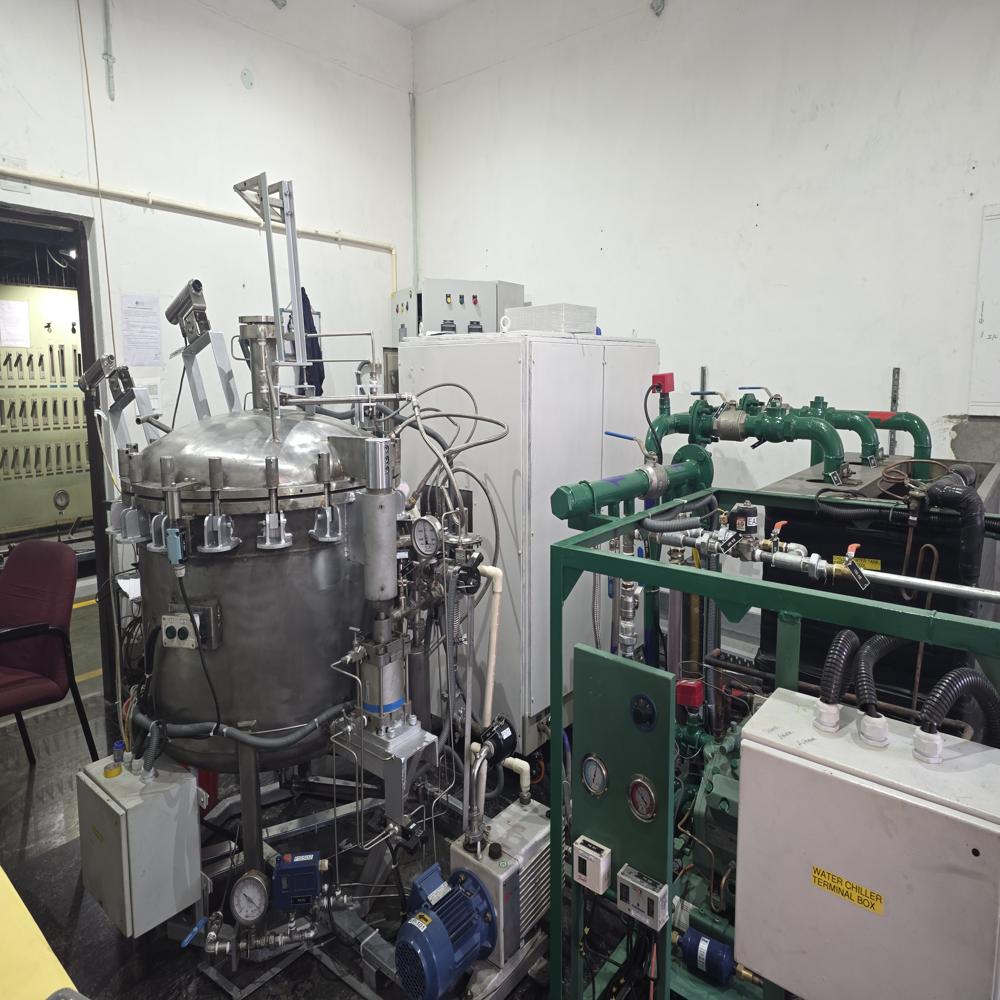
Tell us about your requirement

Price:
Quantity
Select Unit
- 50
- 100
- 200
- 250
- 500
- 1000+
Additional detail
Mobile number
Email

More Products in Specialized Furnaces Category
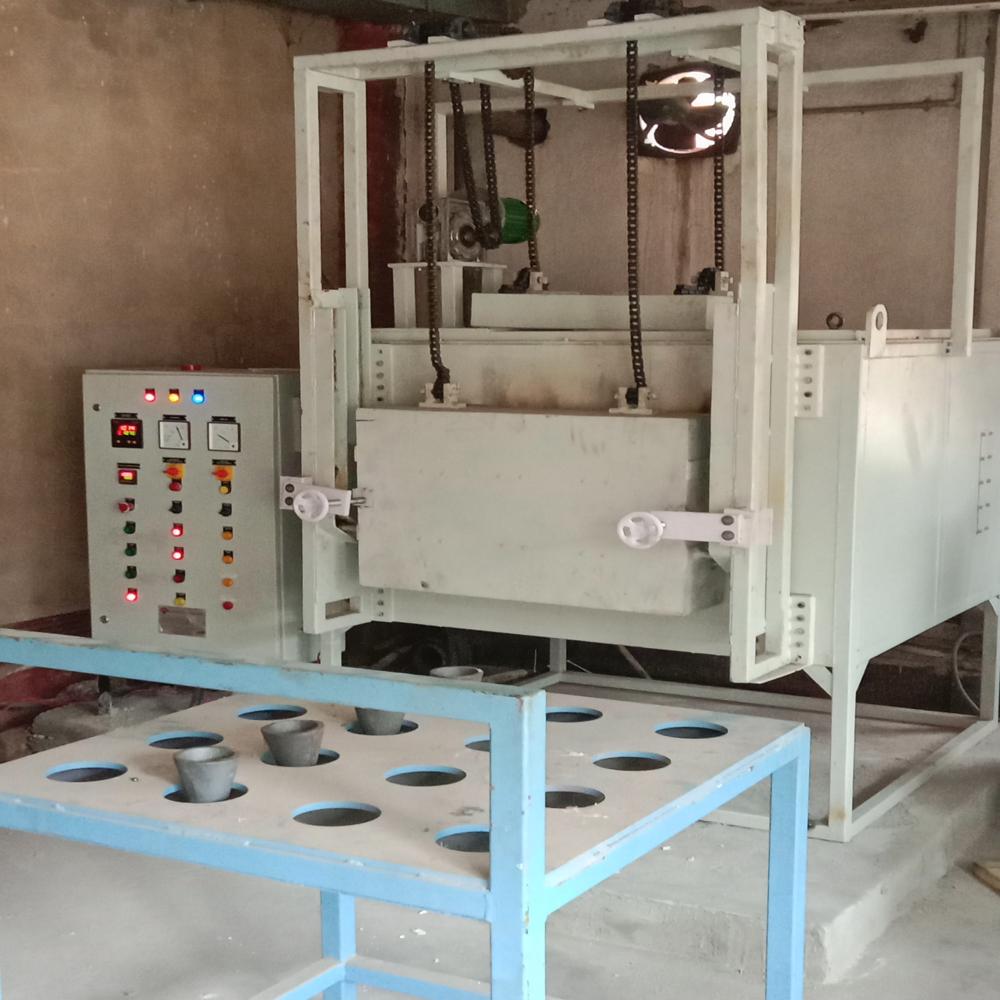
Fire Assay Furnace
Price 1000000.0 INR / Unit
Minimum Order Quantity : 1 Unit
Condition : New
Capacity : Up to 48 Crucibles
Type : Muffle Furnace
Voltage : 220240 V, 5060 Hz
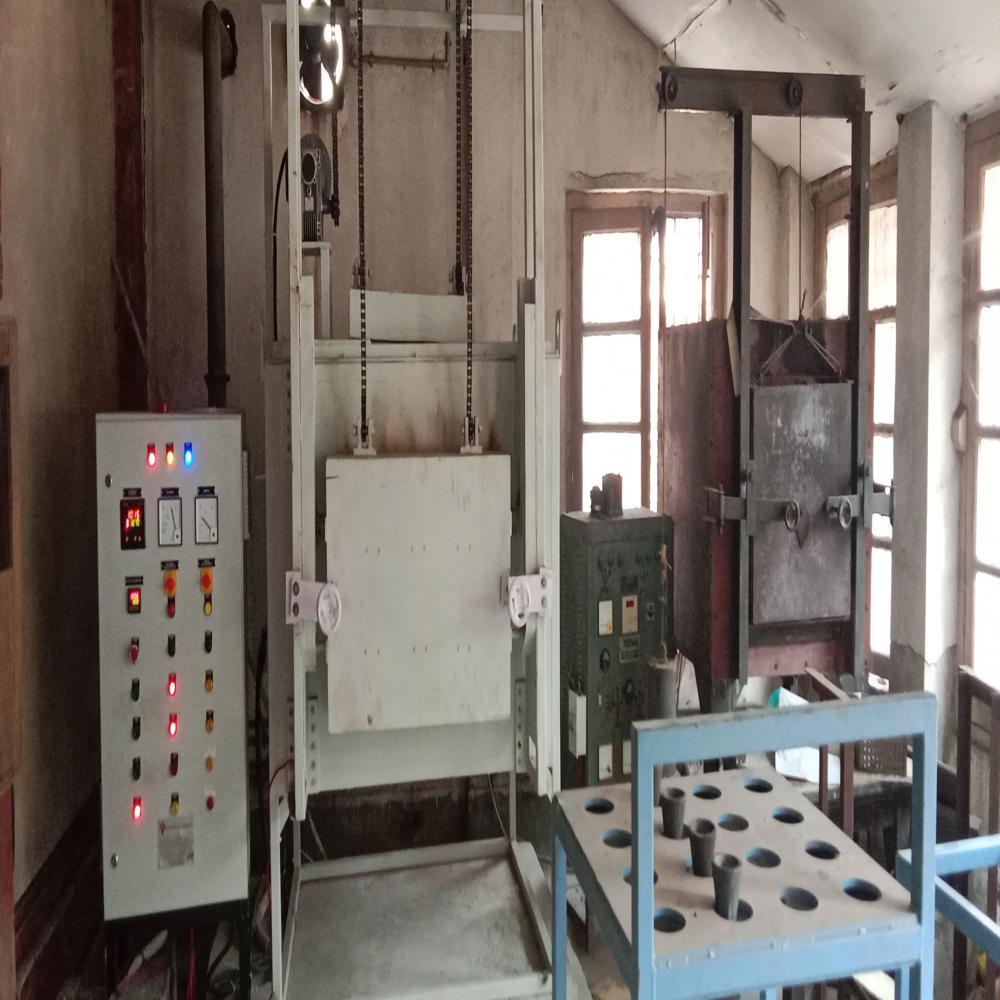
Cupellation Furnace
Price 1000000.0 INR / Unit
Minimum Order Quantity : 1 Unit
Condition : New
Capacity : 12 50 Cupels per batch (modeldependent)
Type : Cupellation Furnace
Voltage : 220 V / 380 V / 440 V (As per model)
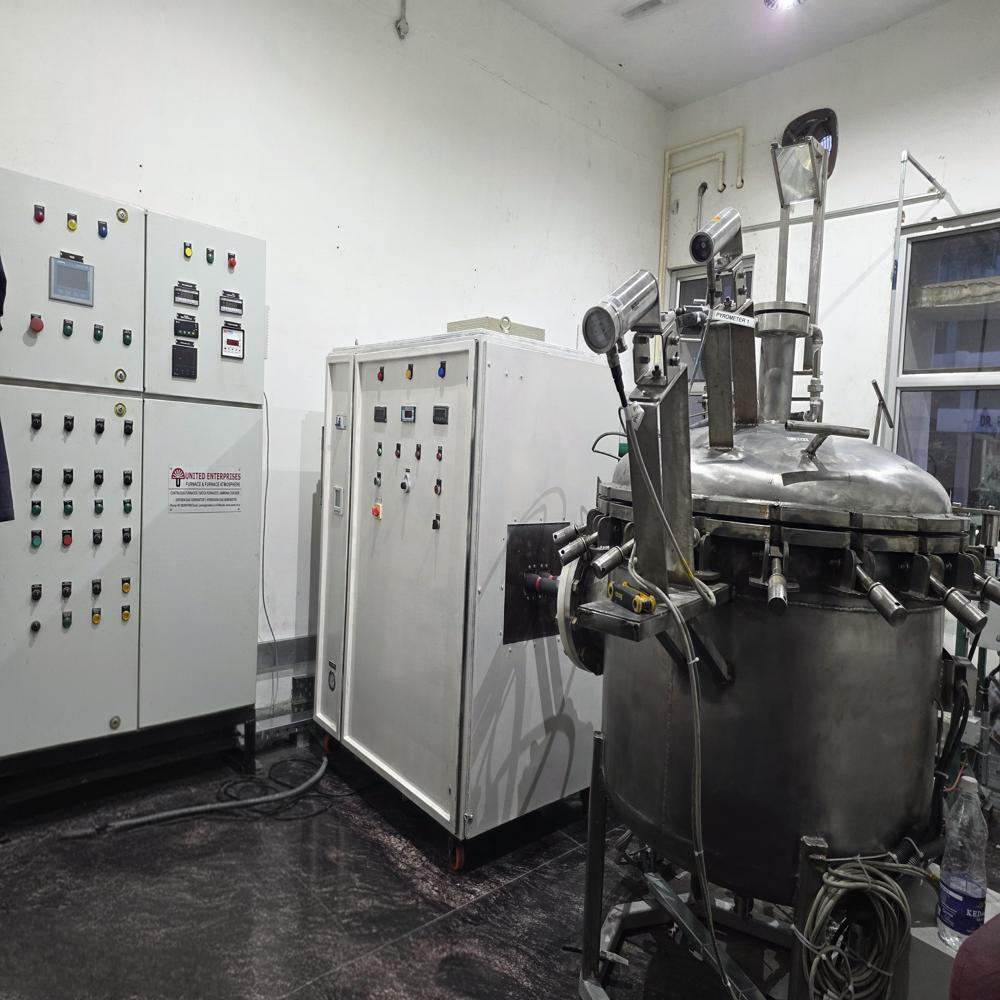
Pyrolysis Furnace for Carbon
Price 5000000.0 INR / Piece
Minimum Order Quantity : 1 Piece
Condition : New
Capacity : 200 kg/hr to 2,000 kg/hr (customized)
Type : Pyrolysis Furnace
Voltage : 220/380/415 V, 3 Phase
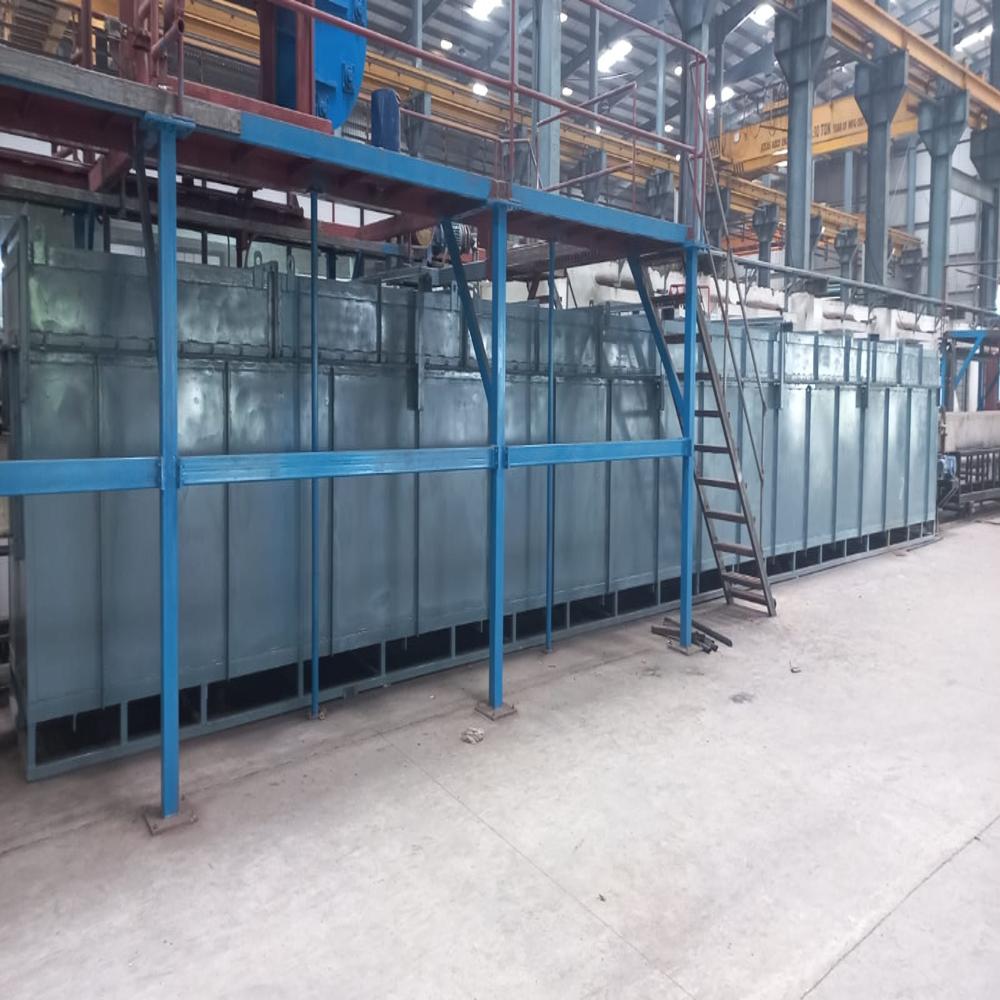
Electric Resistance Heating Furnace
Price 1500000.0 INR / Piece
Minimum Order Quantity : 1 Piece
Condition : New
Capacity : Up to 1000 kg
Type : Electric Resistance Heating Furnace
Voltage : 220V440V

Contact Us

- Technical Shed No.2, Plot No. 11, MIDC, Badlapur Ind. Area, Badlapur,Badlapur - 421503, Maharashtra, India
- Phone :08045811748

- Mr Pankaj Gupta (Proprietor)
- Mobile :08045811748
- Send Inquiry
 Send Inquiry
 Send Inquiry
 Send SMS
Developed and Managed by Infocom Network Private Limited.


 English
 Spanish
 French
 German
 Italian
 Chinese (Simplified)
 Japanese
 Korean
 Arabic
 Portuguese
