About Annealing Furnace
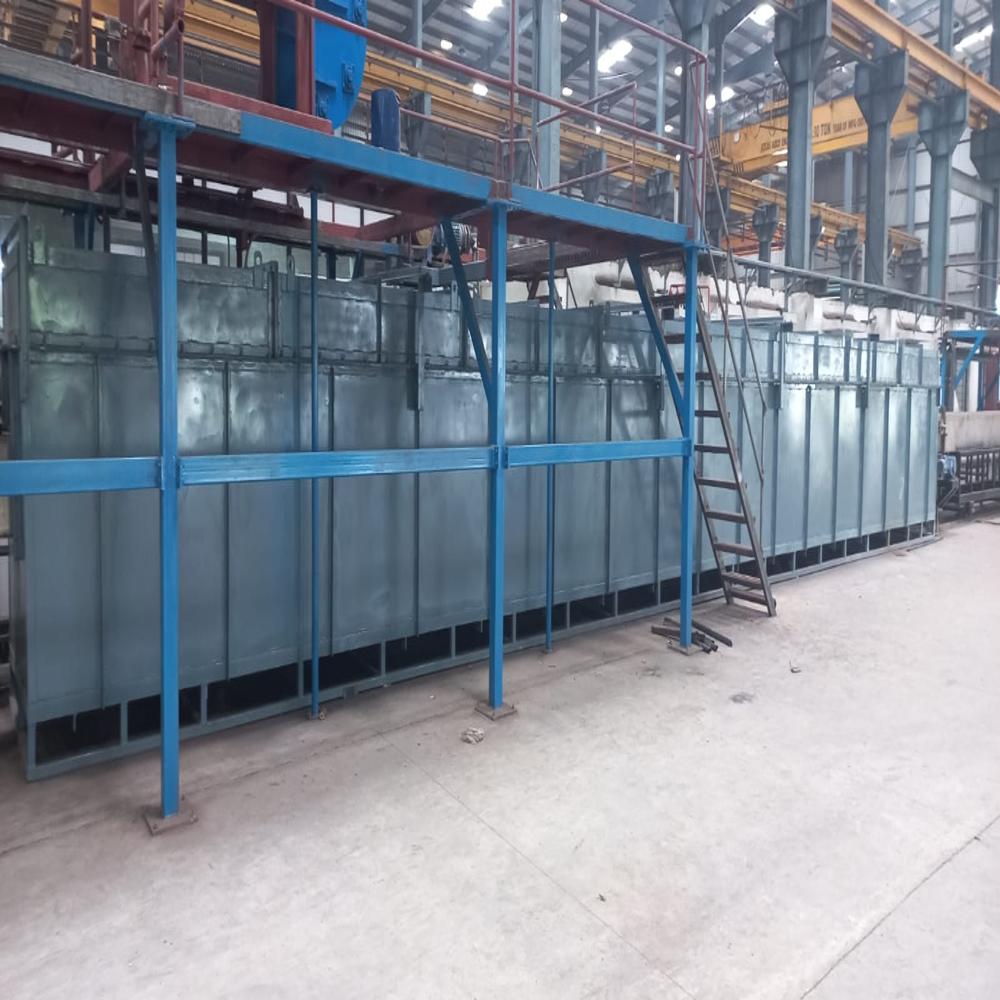
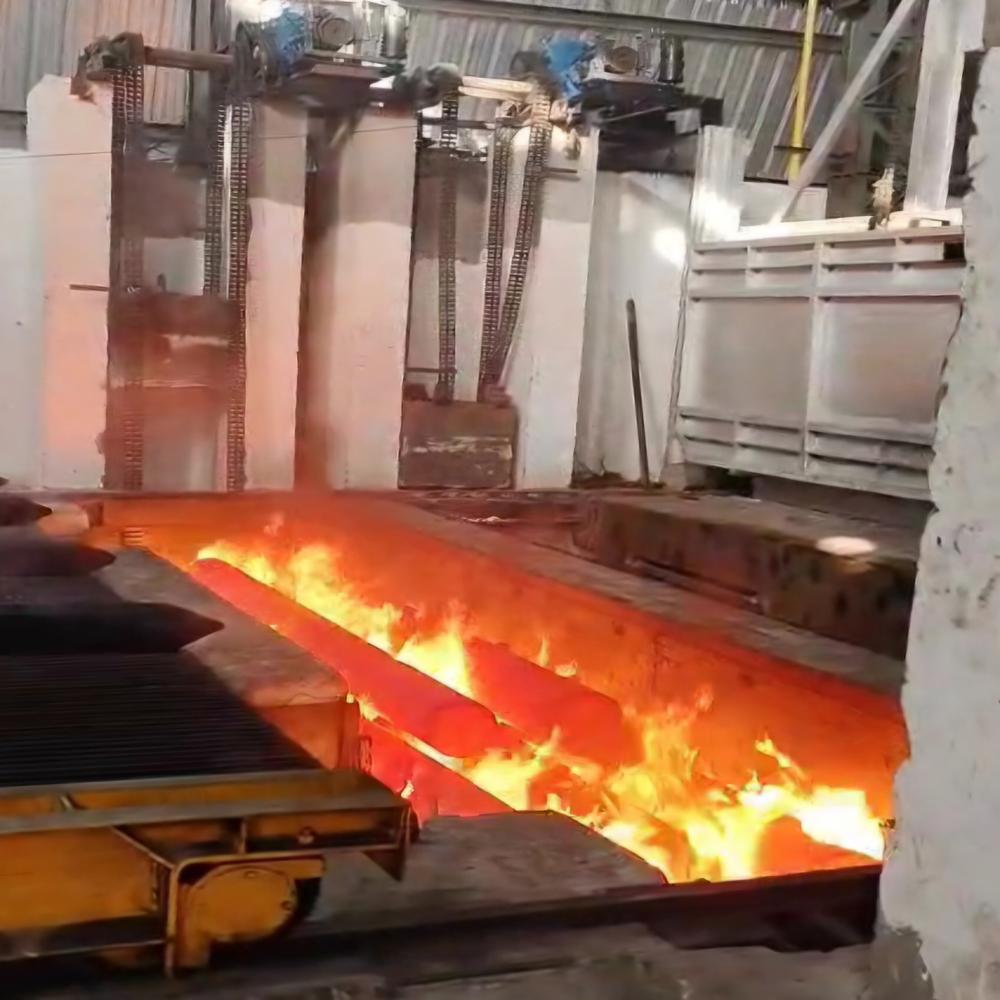
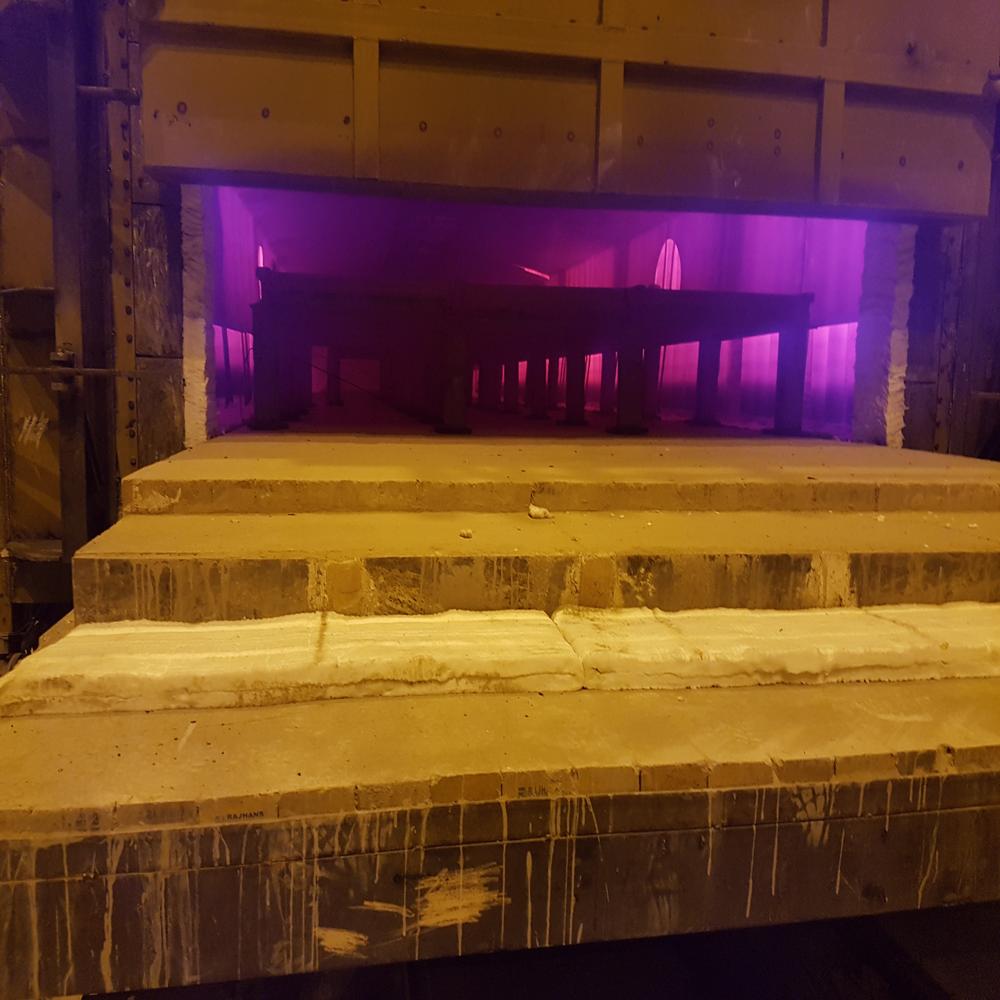
Annealing Furnace manufactured by United Enterprises is a versatile heat treatment furnace used to soften metals, refine grain structure, relieve internal stresses and restore ductility after cold working.
Brief Description:
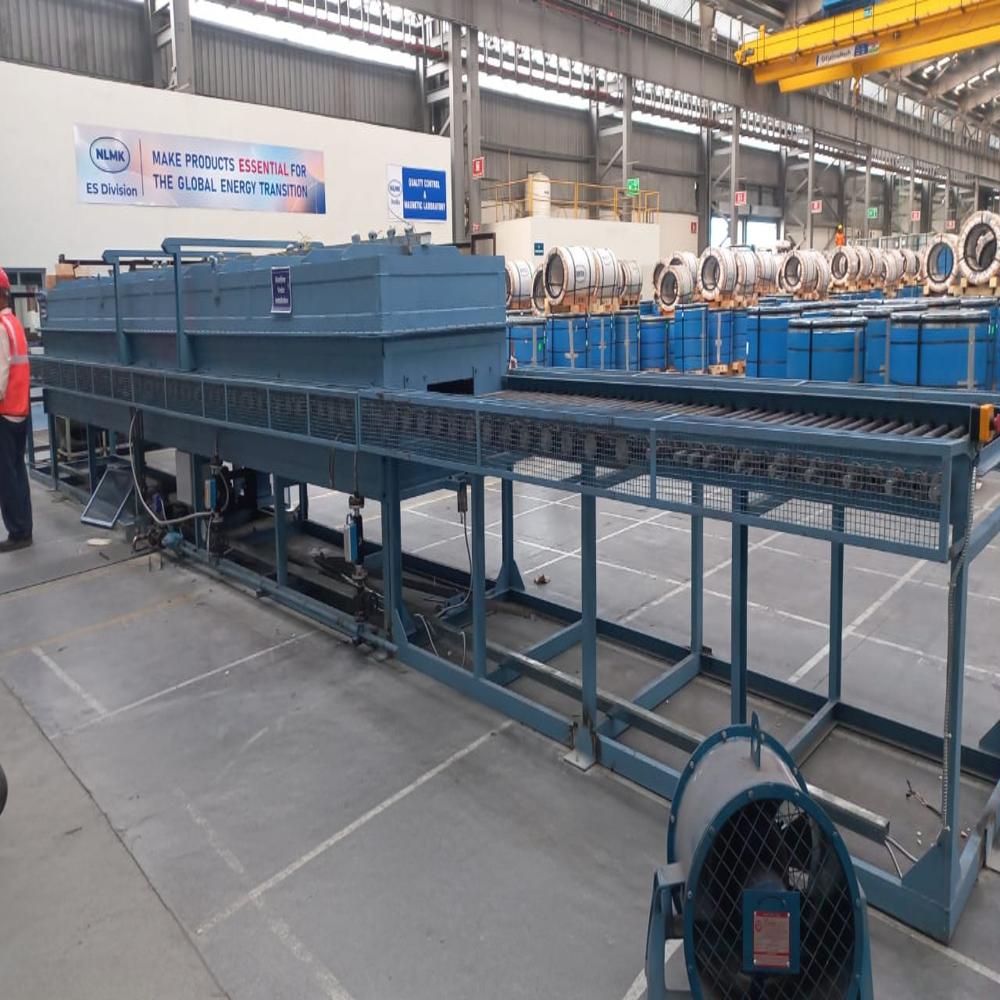
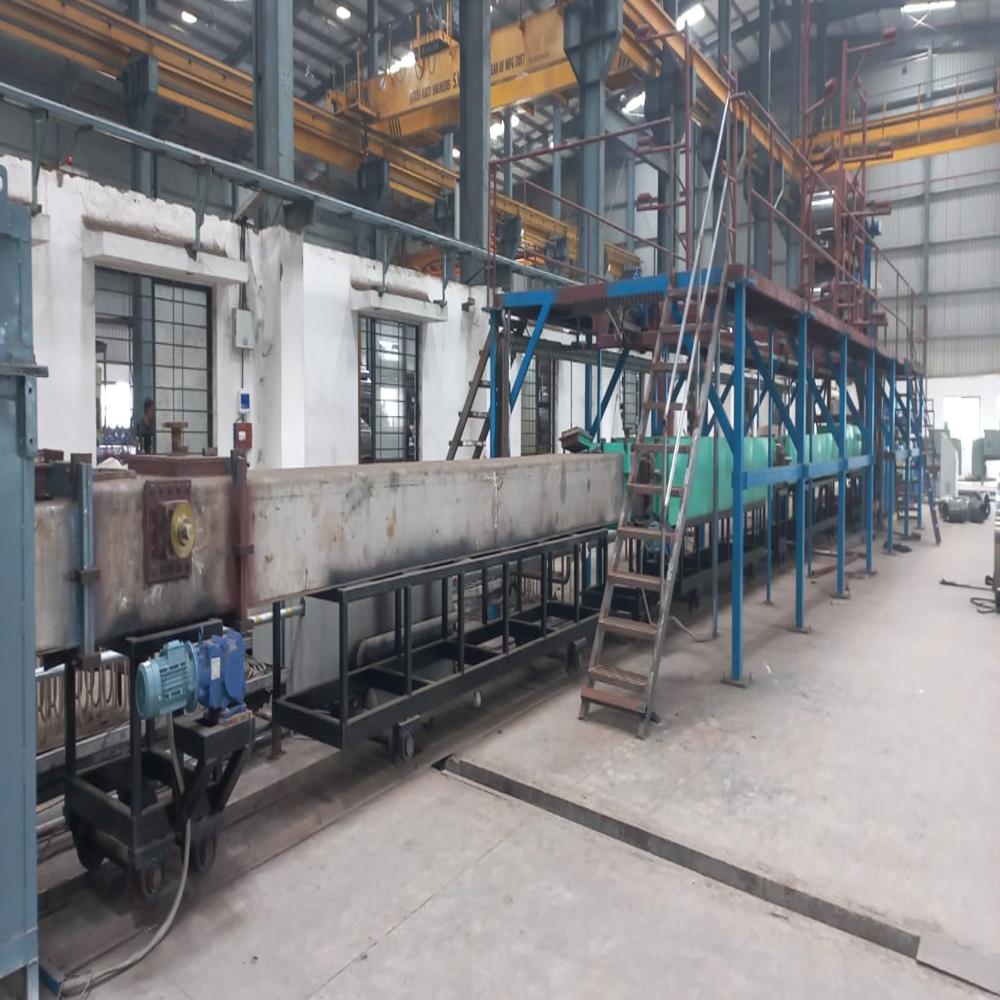
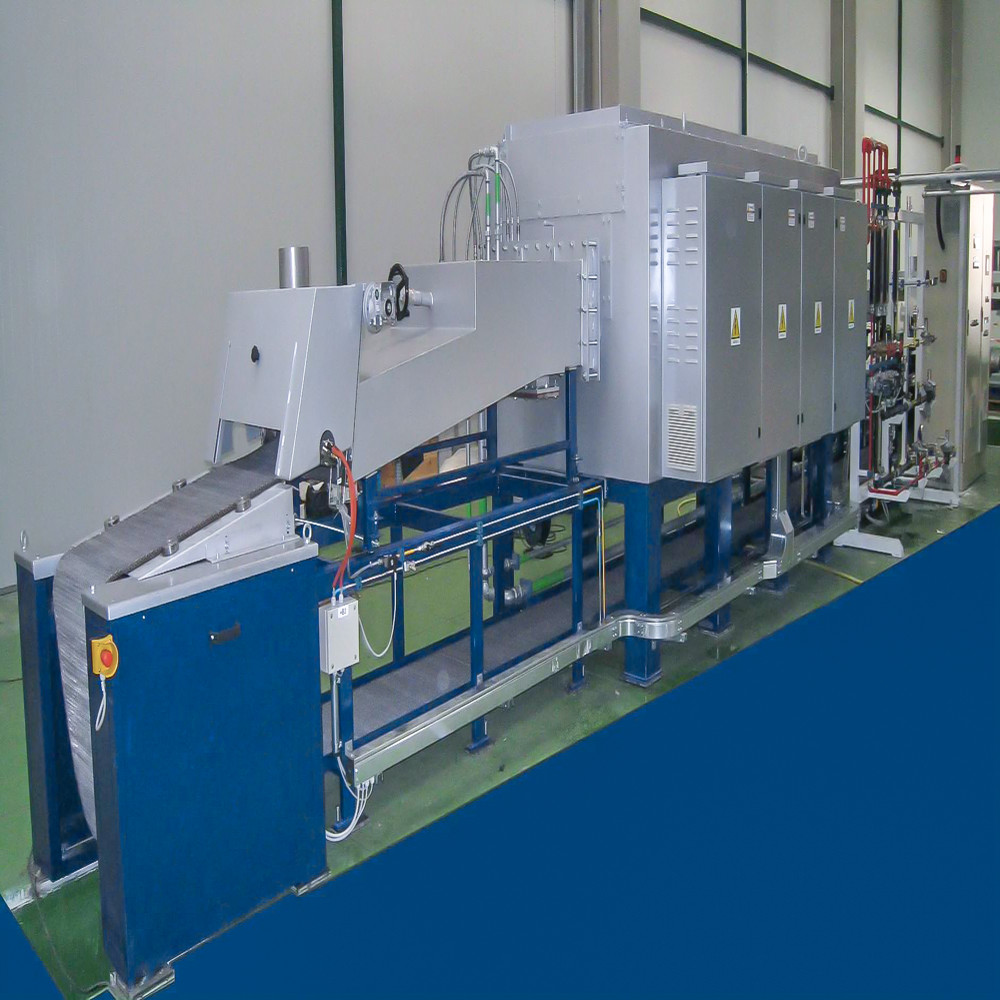
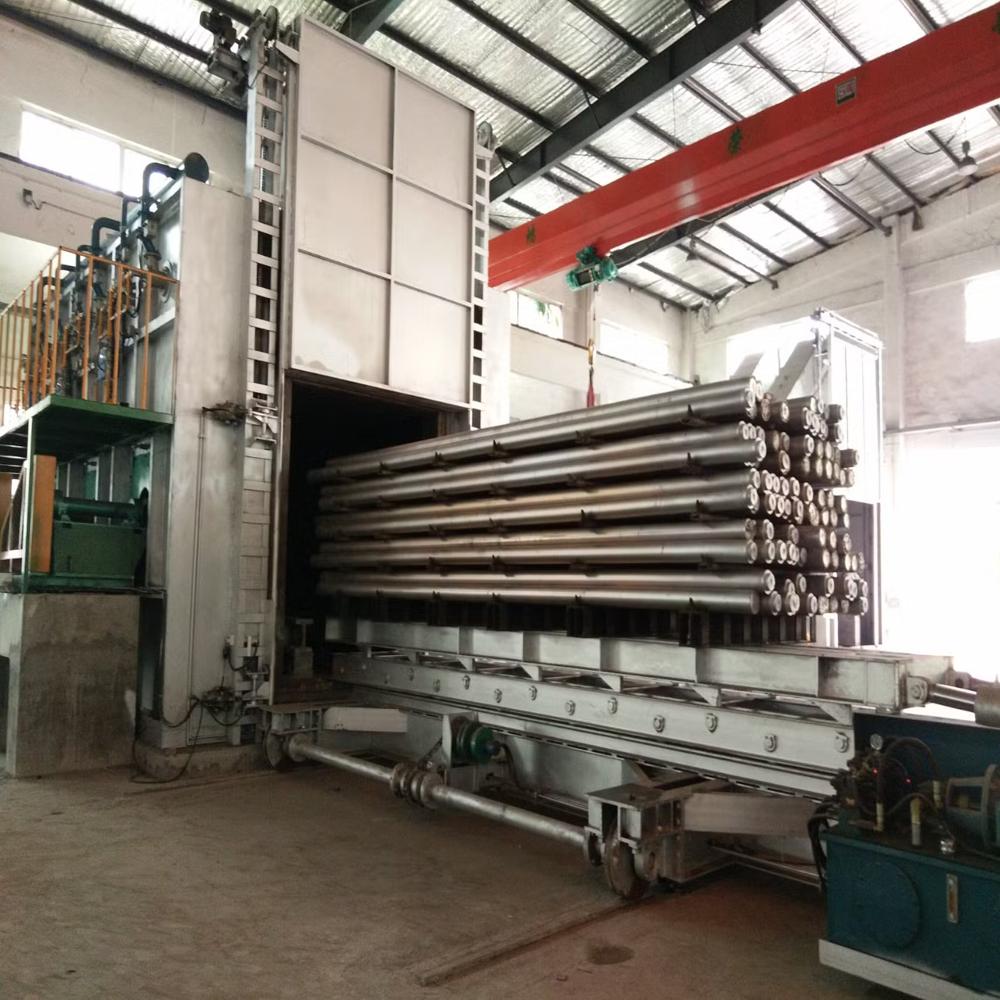
Annealing is one of the most common heat treatment processes in metalworking. Our annealing furnaces are designed for steel, stainless steel, copper, brass, aluminium and specialty alloy products in coil, plate, wire, tube or component form. Configurations include box, chamber, bogie, bell, roller hearth, mesh belt and pusher types.
Where bright finish is required, we supply the furnace with our in-house Ammonia Cracker or Hydrogen Generator to maintain a reducing atmosphere. Electric and recuperative gas-fired versions are both available, with multi-zone PLC temperature control.
Each furnace is engineered around the customers product, throughput, atmosphere and target metallurgy.
Characteristics:
- Versatile annealing for steel, SS, copper, brass, aluminium
- Box / chamber / bogie / bell / belt / pusher configurations
- Maximum temperature up to 1200C
- Available in electric and recuperative gas-fired versions
- Reducing or inert atmosphere via in-house gas generators
- Multi-zone PLC temperature control
- Low-density high-quality refractory insulation
- Fully automated SCADA system with recipe storage
About United Enterprises:
United Enterprises is among the top annealing furnace manufacturers in India with over 25+ years of experience in heat treatment systems. We design, manufacture, supply, export and commission tailor-made annealing furnaces across Asia and Europe. Our turnkey approach, in-house atmosphere generator manufacturing and CE / ISO compliance support customers in stainless steel, copper, automotive, aerospace and engineering industries.
FAQs:
Q: Which annealing furnace type is right for me?
A: Depends on product form (coil, plate, wire, tube, components) and volume. Our engineers help select between box, bogie, bell, belt or pusher types.
Q: Bright annealing or open annealing?
A: Bright annealing in reducing atmosphere is needed where surface finish matters; open annealing is simpler and used where surface finish is not critical.
Q: Do you supply with gas generators?
A: Yes. Ammonia Cracker, Endo Gas, Exo Gas, Nitrogen and Hydrogen generators are all built in-house and supplied with our annealing furnaces.
Advanced Temperature Control for Precision AnnealingBenefit from the furnace's digital PID controller, which enables programmable temperature profiles to meet specific heating requirements. This results in consistent, high-quality annealing for glass or metal parts, minimizing thermal stress and ensuring precise material properties. The automatic temperature control system facilitates ease of use and optimal process management.
Engineered for Safety and ReliabilitySafety is paramount; the furnace is equipped with over-temperature protection, safety interlocks, and durable construction. The ceramic insulation and powder-coated, mild steel chamber enhance operational safety while reducing heat loss, leading to energy savings. These features make the furnace suitable for rigorous industrial environments where reliability cannot be compromised.
Flexible Design and Efficient OperationAvailable in various capacities, power ratings, and customizable dimensions, this furnace adapts to diverse industrial needs, handling glass up to 1200 mm wide. Optional forced air or water cooling accelerates the process, optimizing production time. The energy-efficient design supports sustainable, cost-effective operation in large-scale and small-scale manufacturing settings.
FAQ's of Annealing Furnace:
Q: How does the digital PID controller improve the annealing process?
A: The digital PID controller allows for precise temperature regulation and programmable heating profiles, ensuring uniform heat distribution and consistent annealing quality. This minimizes risks of material distortion and allows users to easily adjust and monitor thermal cycles as per specific process requirements.
Q: What types of heating elements are used in this furnace, and what are their benefits?
A: The furnace offers Kanthal/Nichrome coil or silicon carbide heating elements, selected based on temperature needs and durability. Kanthal/Nichrome coils provide excellent resistance and longevity at moderate to high temperatures, while silicon carbide elements deliver higher watt density and enhanced performance for demanding applications.
Q: When should I use forced air or water cooling with the furnace?
A: Forced air or water cooling should be used when rapid cooling is required to meet production times or when processing heat-sensitive materials. These optional features help reduce cycle times, increase throughput, and ensure precise control over cooling rates in the annealing process.
Q: Where is this annealing furnace typically installed?
A: Due to its robust and efficient construction, the furnace is ideal for installation in industrial settings, such as glass and metal manufacturing plants, heat treatment facilities, and research laboratories requiring customizable and safe annealing solutions.
Q: What safety features are included to protect both operators and equipment?
A: The furnace is designed with over-temperature protection, safety interlocks, and a powder-coated, thermally insulated chamber. These features ensure operational safety by preventing excessive heat buildup, unauthorized access, and accident risks during handling or maintenance.
Q: How can the furnace be customized to meet unique production requirements?
A: The furnace's size, power rating, chamber dimensions, insulation thickness, door type, display interface, and cooling system are all customizable. This adaptability allows users to optimize the furnace configuration for different glass or metal sizes, batch capacities, and process specifications.
Q: What are the key benefits of using this annealing furnace for industrial applications?
A: Key benefits include high energy efficiency, robust construction, user-friendly controls, customizable options, advanced safety mechanisms, and precise temperature management. These features make it an excellent choice for reliable, high-quality annealing in industrial glass and metal processing.









 Send Inquiry

 Send Inquiry
 Send Inquiry
 Send SMS


 English
 Spanish
 French
 German
 Italian
 Chinese (Simplified)
 Japanese
 Korean
 Arabic
 Portuguese