About Non-Oxidizing Annealing Furnace
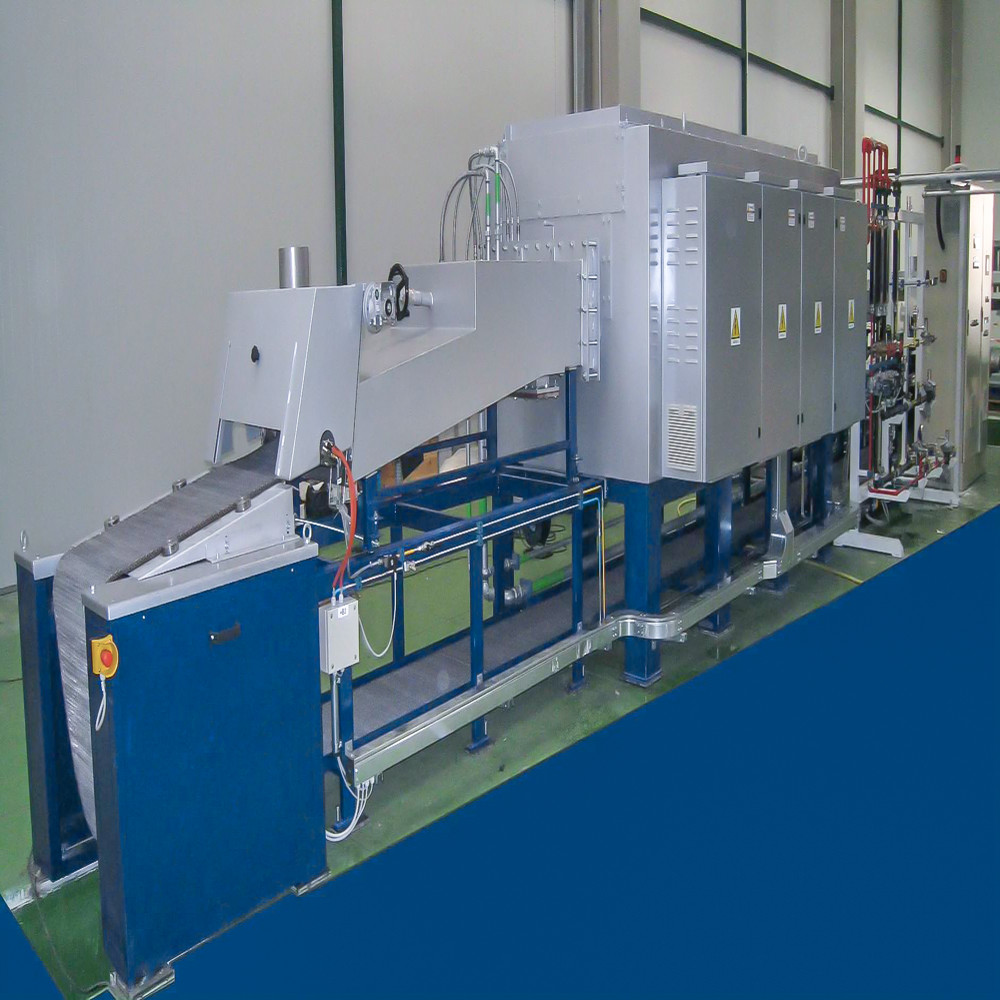
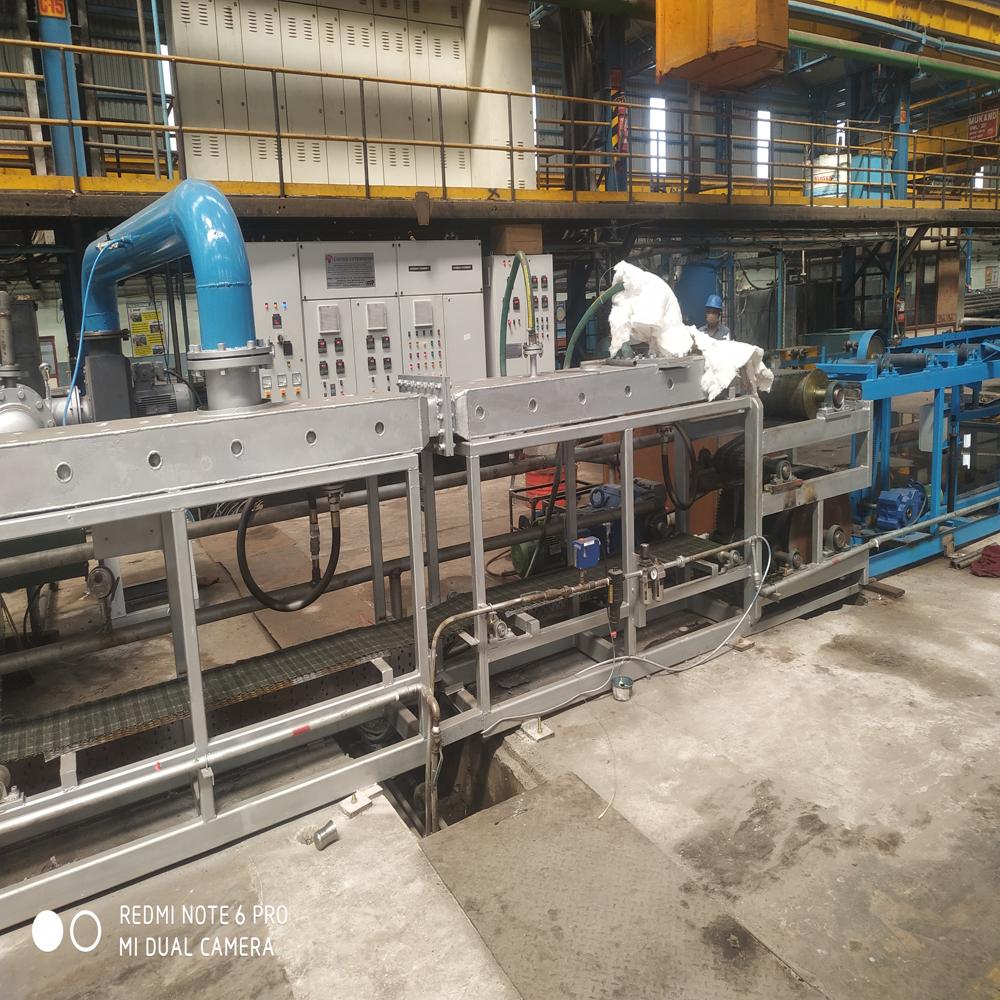
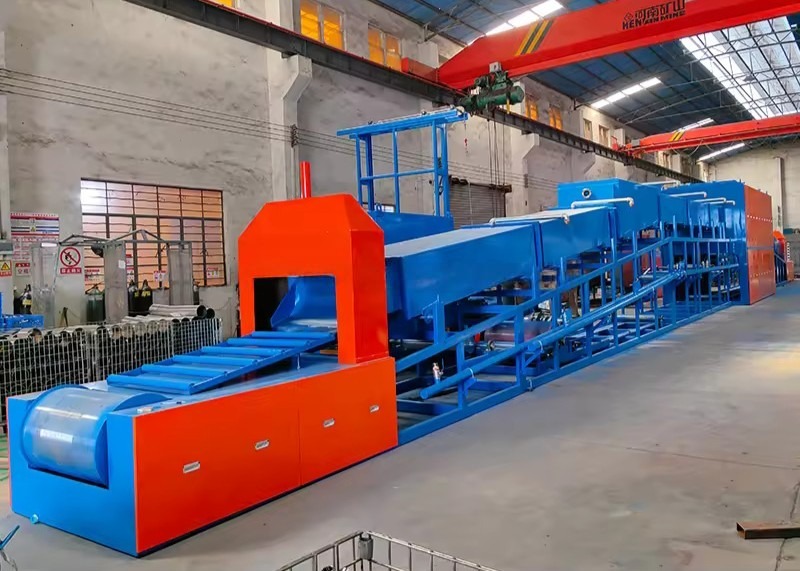
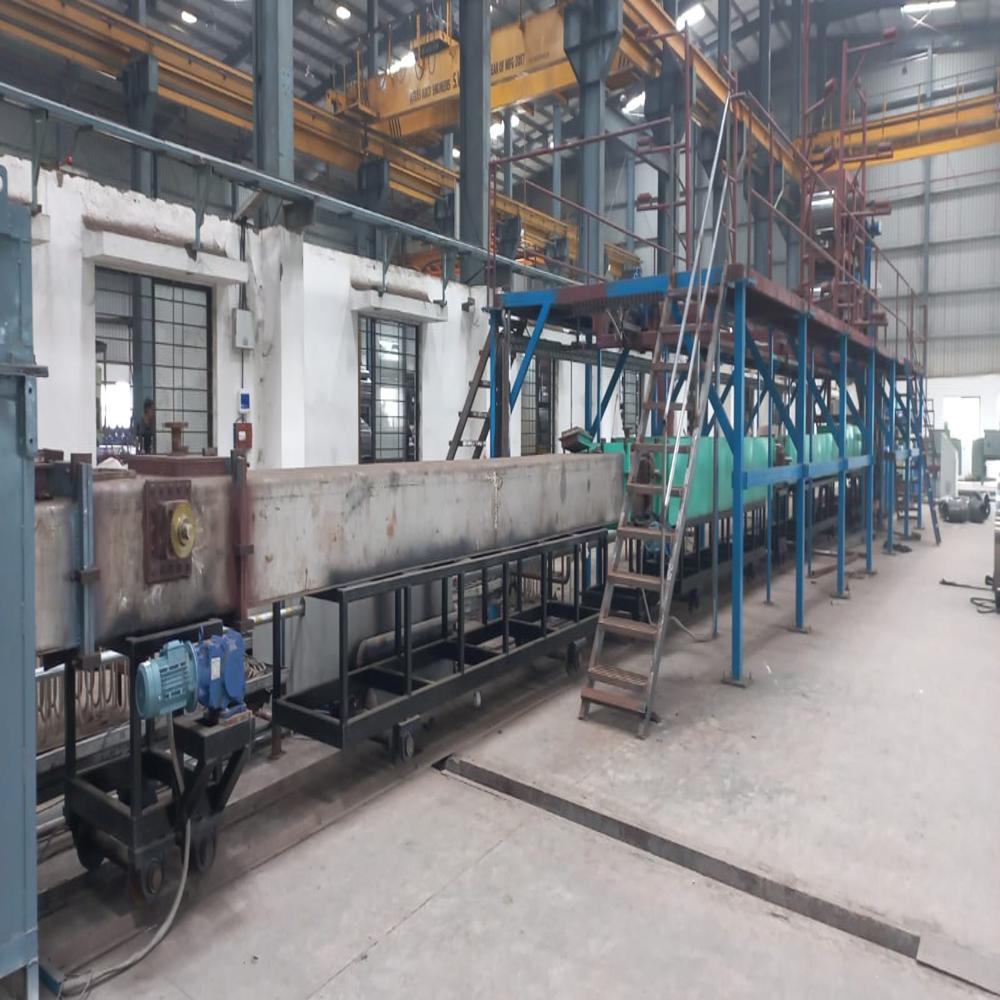
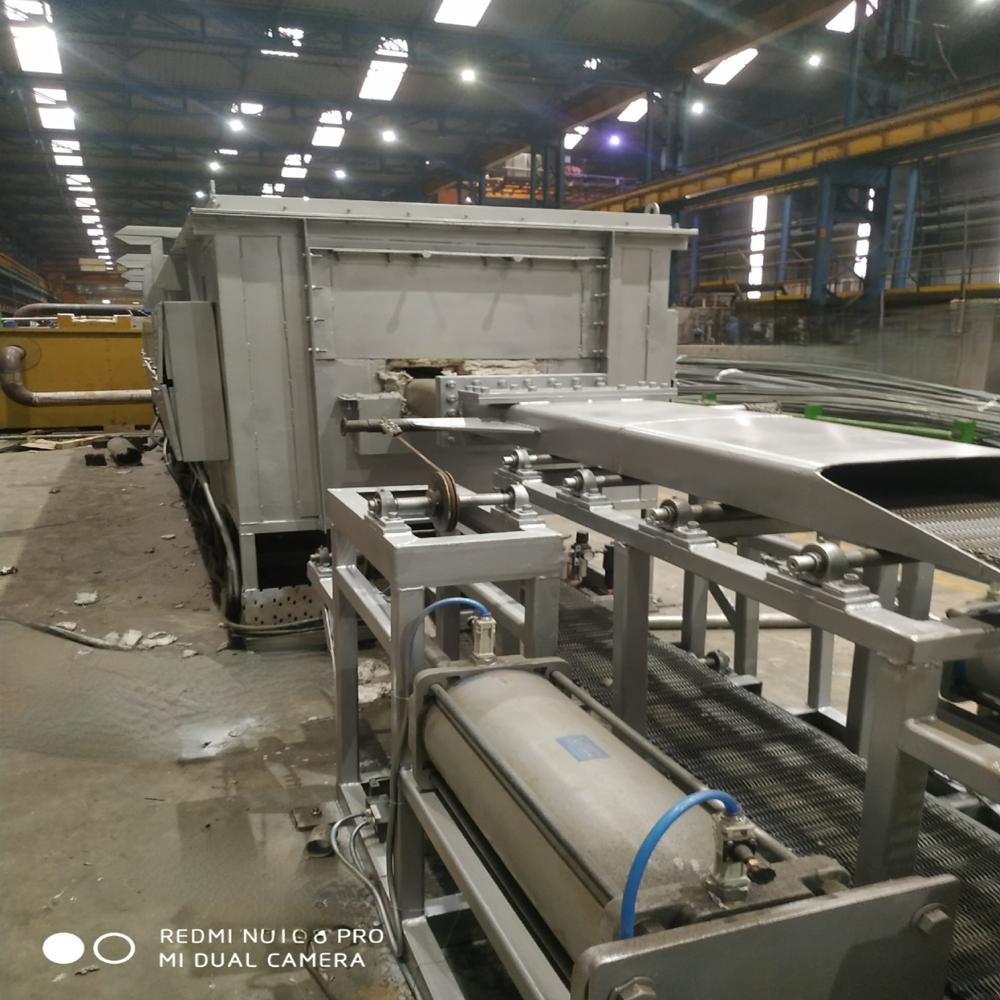
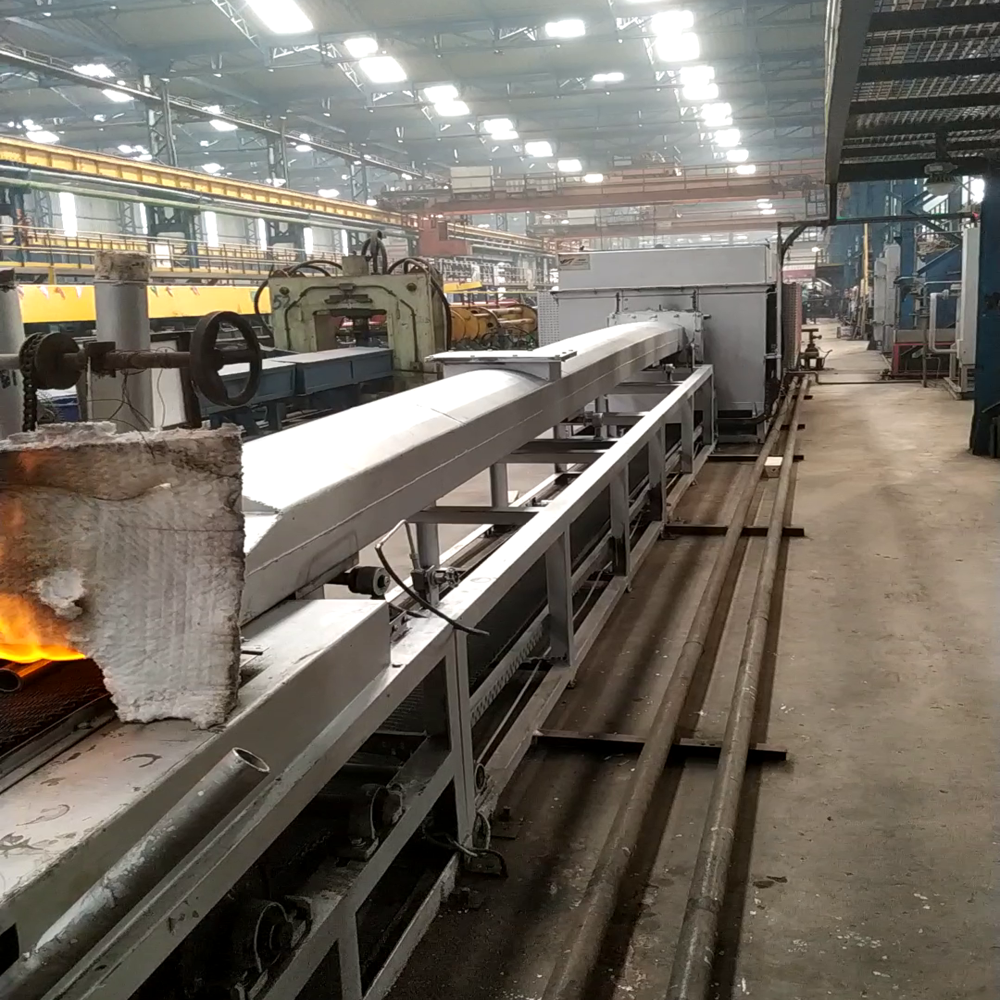
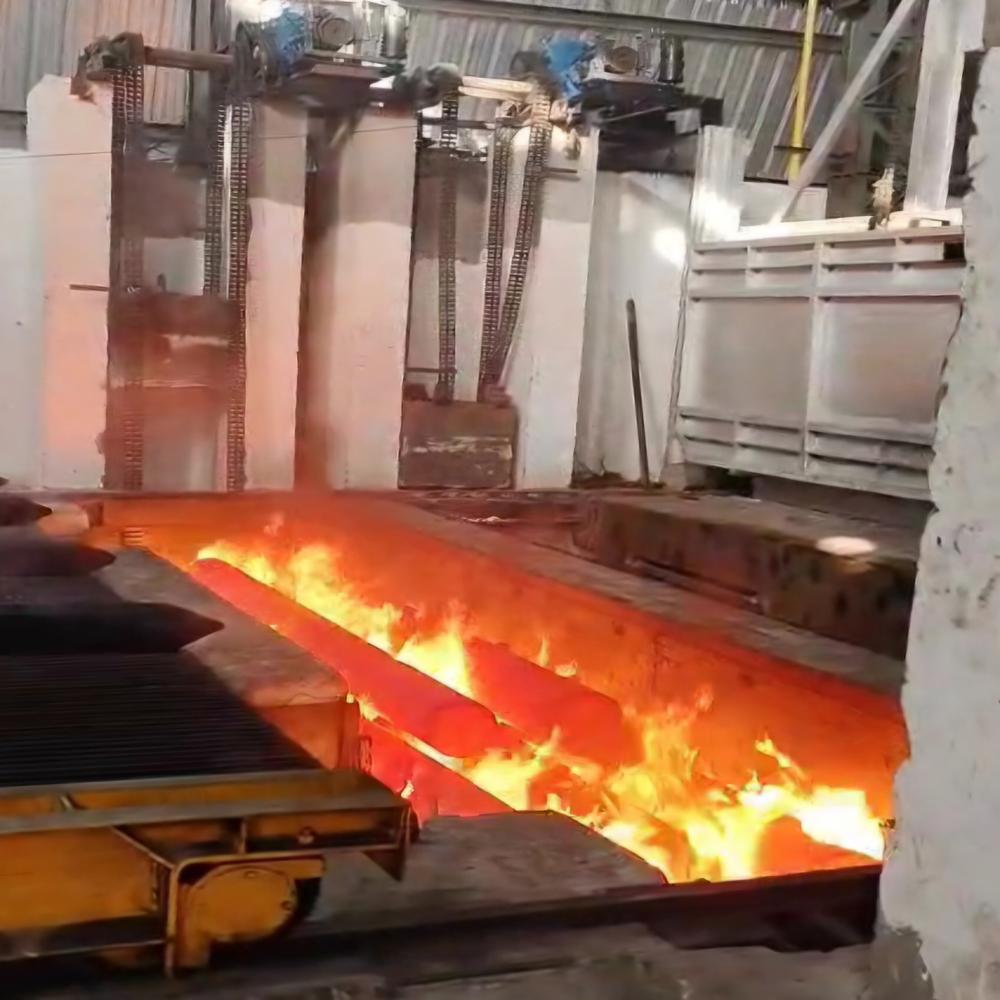
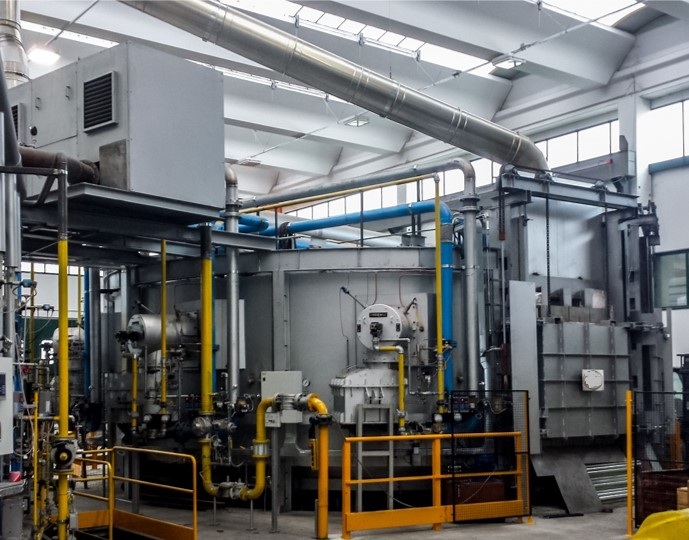
Non-Oxidizing Annealing Furnace manufactured by United Enterprises is a controlled-atmosphere annealing furnace where a reducing or inert gas is maintained inside the chamber to prevent oxidation and surface scaling.
Brief Description:
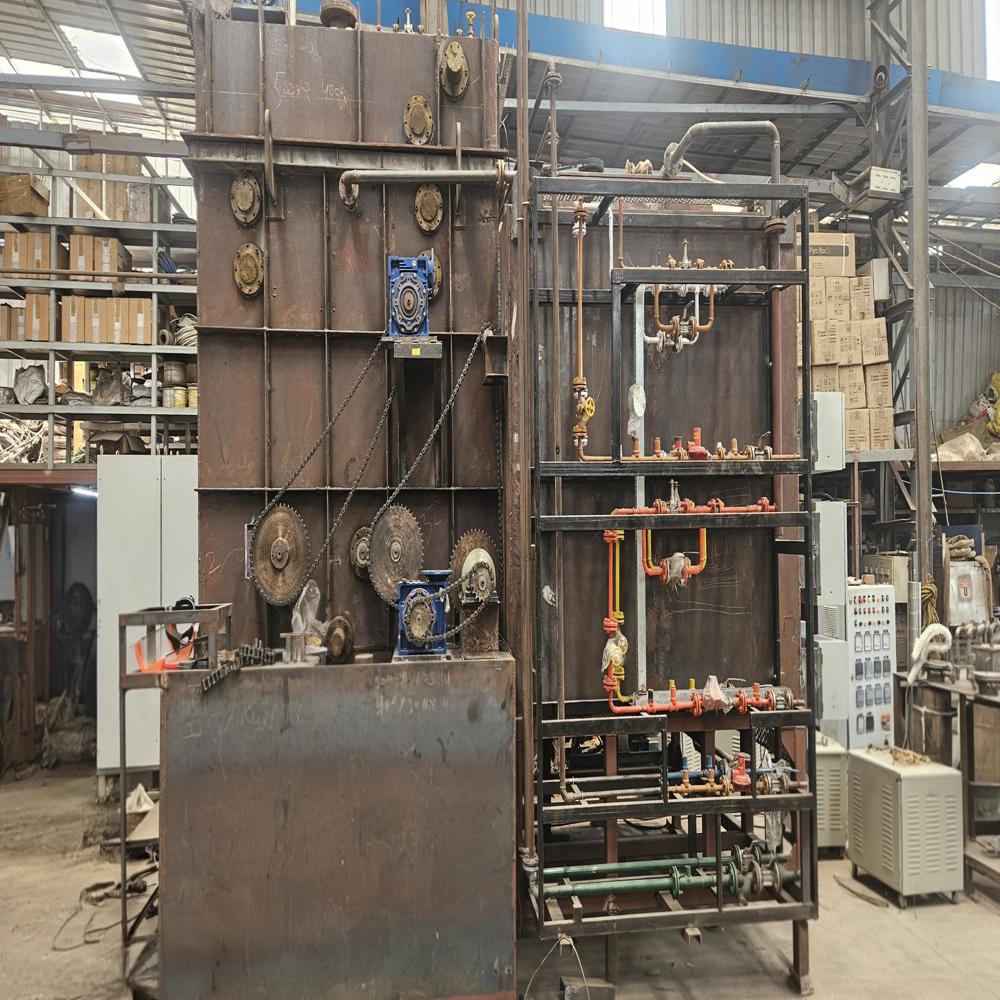
Non-oxidising annealing is essential when surface finish, dimensional accuracy or downstream coating performance matters. Our non-oxidising annealing furnaces use cracked ammonia, hydrogen, nitrogen or nitrogen-hydrogen mixtures supplied via our own gas generators.
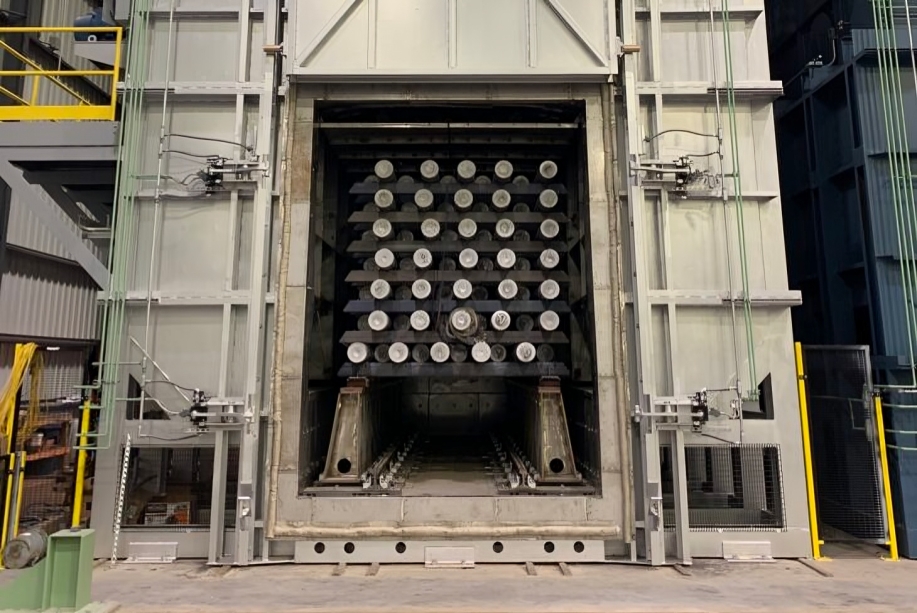
Configurations include continuous (roller hearth, strand, mesh belt, pusher) and batch (box, bell, bogie, pit). Electric and recuperative gas-fired heating versions are available, with multi-zone PLC temperature control.
Each furnace is engineered around the customers product, throughput, surface finish requirement and target metallurgy.
Characteristics:
- Controlled-atmosphere non-oxidising annealing
- Cracked ammonia / hydrogen / nitrogen atmosphere
- Continuous and batch configurations available
- Available in electric and recuperative gas-fired versions
- Multi-zone PLC temperature control
- In-house gas generator manufacturing
- Low-density high-quality refractory insulation
- Fully automated SCADA system
About United Enterprises:
United Enterprises is a recognised Non-Oxidizing Annealing Furnace manufacturer in India with over 25+ years of experience in controlled-atmosphere heat treatment. We design, manufacture, supply, export and commission tailor-made non-oxidising annealing furnaces across Asia and Europe. Our turnkey approach, in-house gas generator manufacturing and CE / ISO compliance support customers in stainless steel, copper alloy, automotive and aerospace industries.
FAQs:
Q: Which atmosphere should I choose?
A: Cracked ammonia for most stainless / copper bright annealing; pure hydrogen for premium surface finish; nitrogen for inert protection.
Q: Continuous or batch type?
A: Depends on product form and volume. Our engineers help select the right configuration.
Q: Do you provide validation support?
A: Yes. Dew point monitoring, atmosphere validation and process trials are supported during commissioning.
Advanced Atmosphere ManagementThis annealing furnace utilizes precise atmosphere control, including nitrogen, hydrogen, or other inert gases, to ensure non-oxidizing conditions. By preventing oxidation, it maintains the integrity and quality of treated metals and glass. The sealed chamber design combined with high-density ceramic fiber insulation ensures a stable environment for superior results.
Flexible Operation and CustomizationWith a choice of automatic or semi-automatic operation, adjustable temperature ranges up to 1200C, and both horizontal or vertical door types (manual or motorized), this furnace can be tailored for diverse industrial applications. Chamber designs come in single or multiple zone configurations, while custom sizes accommodate various production needs.
Superior Safety and EfficiencyEquipped with overheat protection, gas leakage alarms, and durable powder-coated or painted finishes, the furnace emphasizes operational safety. Forced air or water cooling systems, alongside energy-efficient heating elements like Kanthal, NiCr, or MoSi2, contribute to reduced energy use and long-term reliability for high-volume industrial operations.
FAQ's of Non-Oxidizing Annealing Furnace:
Q: How does a non-oxidizing annealing furnace maintain a controlled atmosphere during the process?
A: The furnace maintains a non-oxidizing atmosphere by introducing and regulating gases such as nitrogen or hydrogen through a sealed chamber. The atmosphere control system, managed by precise PID or PLC digital controls, ensures the internal environment remains inert, preventing oxidation of the materials during annealing.
Q: What types of materials and products can be processed in this furnace?
A: This furnace is designed for industrial annealing of steel, wire, strip, and glass. Thanks to custom chamber configurations, it can accommodate different product dimensions and requirements, making it suitable for various industrial applications where non-oxidizing conditions are essential.
Q: When should forced air or water cooling be used in the annealing process?
A: Forced air cooling is generally used for medium-temperature applications and rapid cooling of smaller batches, while water cooling is preferred for high-temperature operations or processing large volumes where faster and more efficient cooling is needed. The choice depends on thermal load, product type, and operational efficiency goals.
Q: Where can the size and configuration of the furnace be adapted to specific needs?
A: The furnace is available with customizable sizes, capacities (from 500 kg/hr up to 10,000 kg/hr), and chamber designs. Manufacturers can adjust dimensions, zones (single or multiple), and door types (horizontal/vertical, manual/motorized) to fit the unique requirements of different production lines and facility layouts.
Q: What benefits does high-density ceramic fiber insulation provide?
A: High-density ceramic fiber insulation offers excellent thermal retention, minimizing heat loss and ensuring uniform temperature distribution inside the furnace. This results in higher energy efficiency, optimized annealing cycles, and consistent product quality while protecting external surfaces from excessive heat.
Q: How does the digital/touchscreen control system improve the usage process?
A: The digital or touchscreen PID/PLC control systems allow operators to program and regulate temperature, gas flow, and timing with precision. Real-time monitoring, alerts for overheat or gas leaks, and user-friendly interfaces streamline operation and enhance process reliability and safety.
Q: What are the key advantages of using a non-oxidizing annealing furnace in industrial applications?
A: Key advantages include prevention of oxidation, improved surface and structural properties of metals or glass, energy-efficient operation, customizable configurations, advanced safety features, and precise process control. All these contribute to consistent high-quality results and reduced production downtime.









 Send Inquiry

 Send Inquiry
 Send Inquiry
 Send SMS


 English
 Spanish
 French
 German
 Italian
 Chinese (Simplified)
 Japanese
 Korean
 Arabic
 Portuguese