About Thermal Debinding Furnace
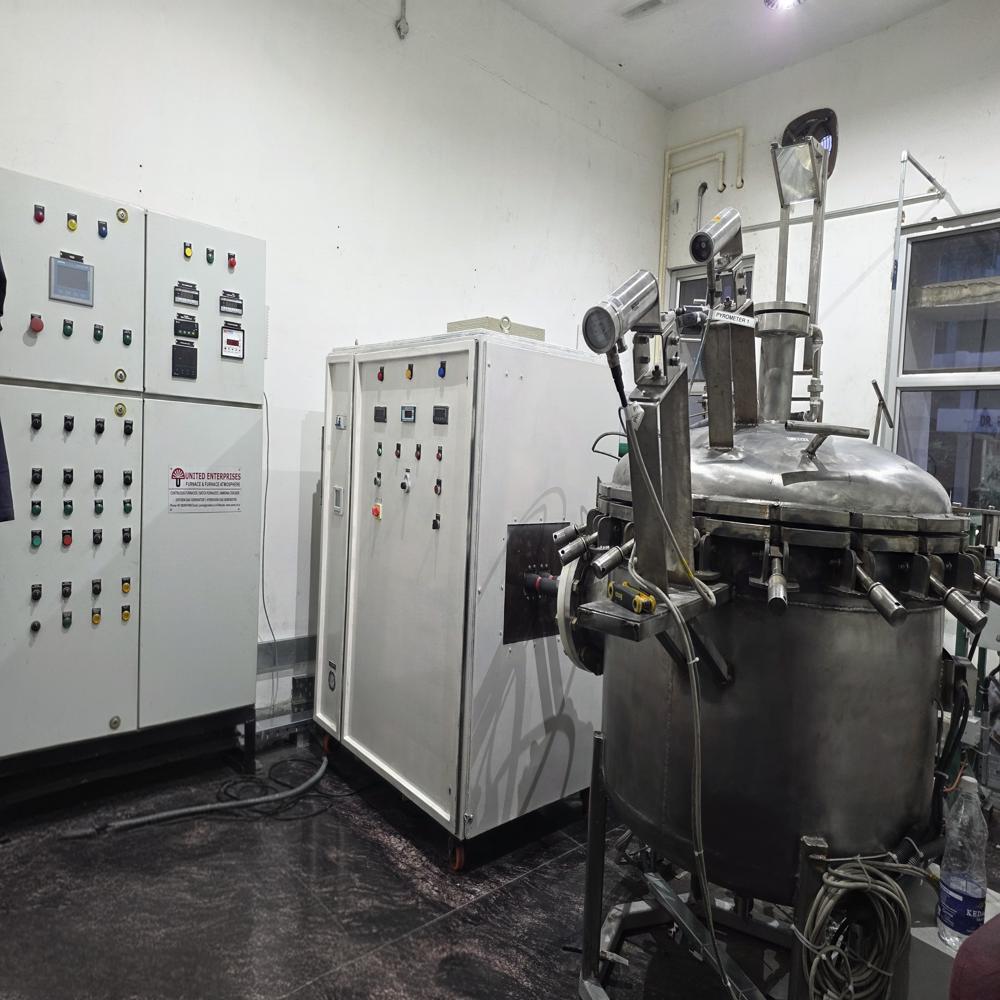
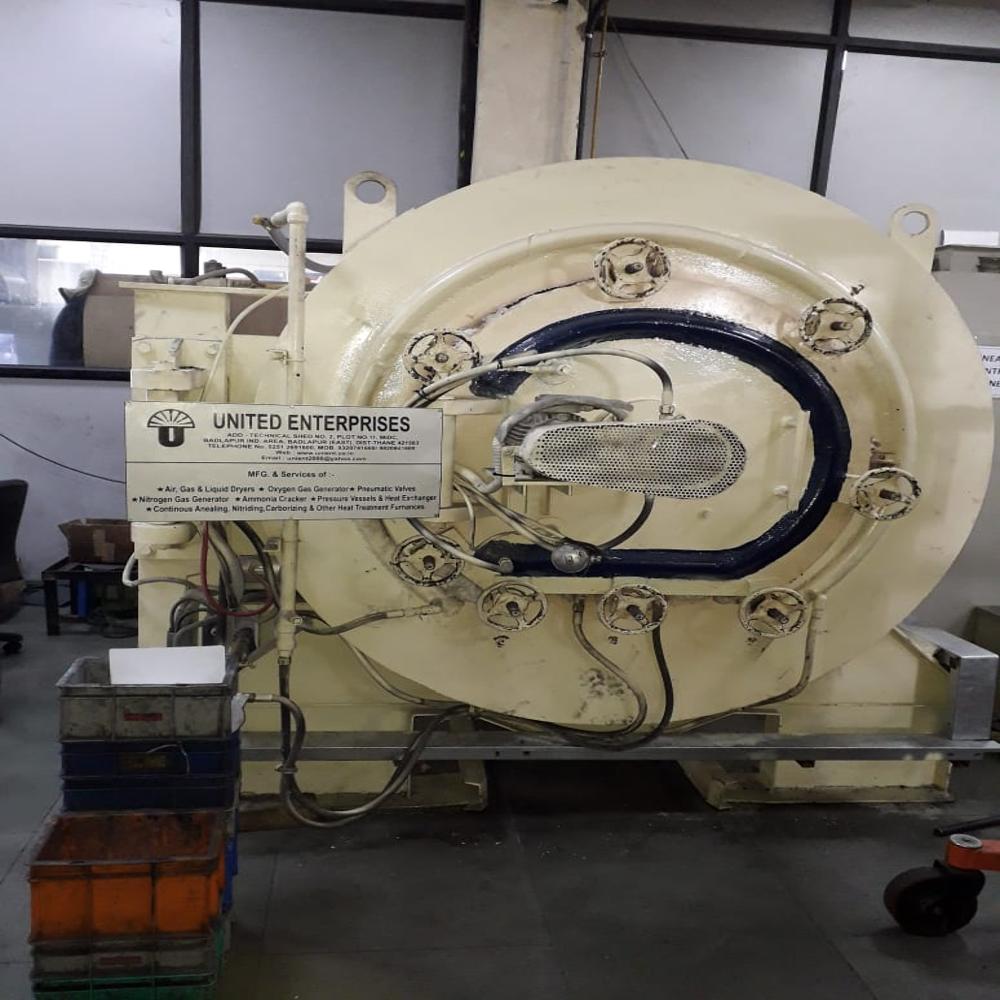
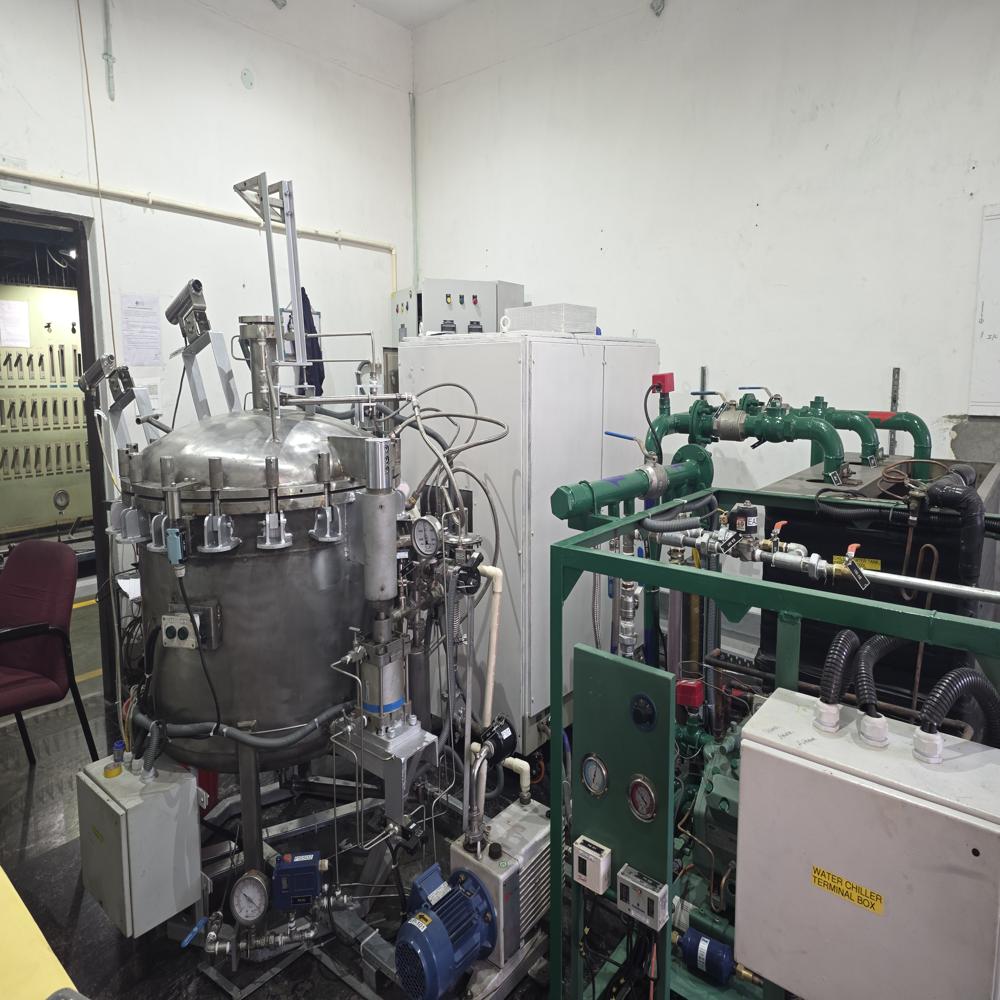
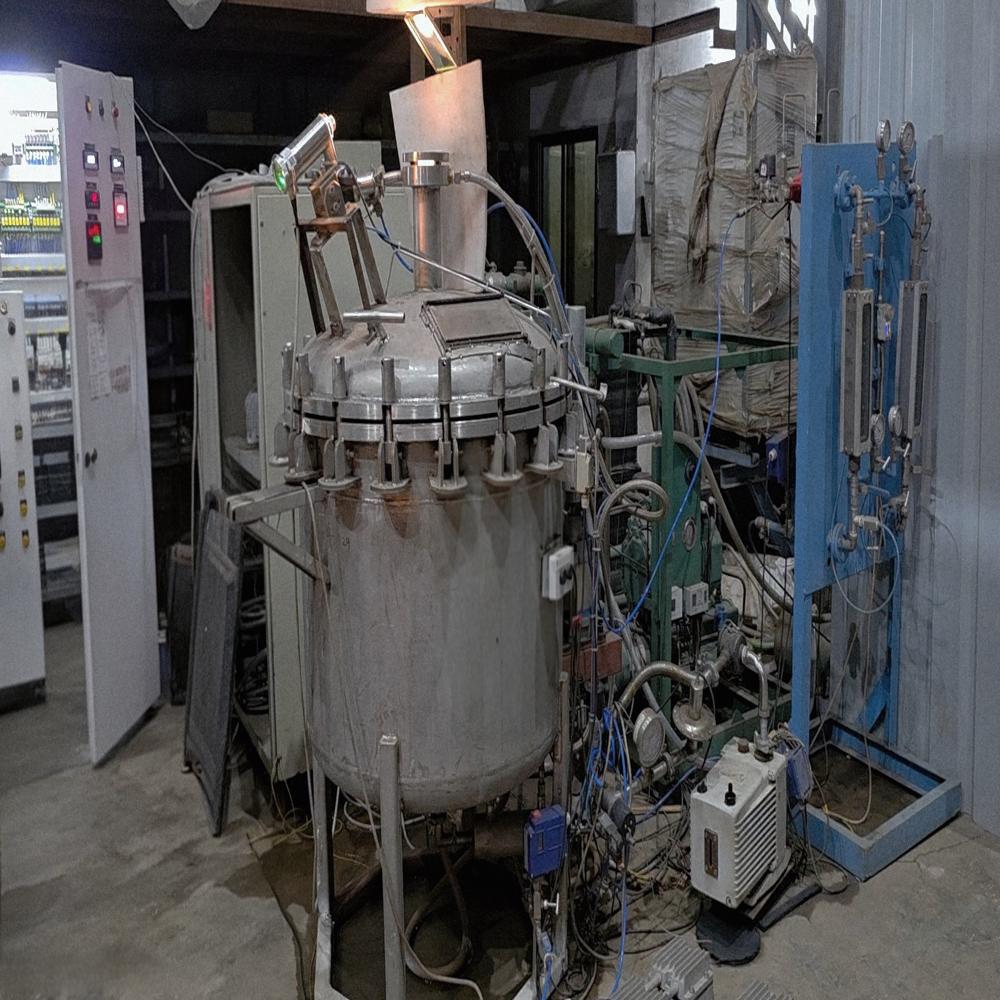
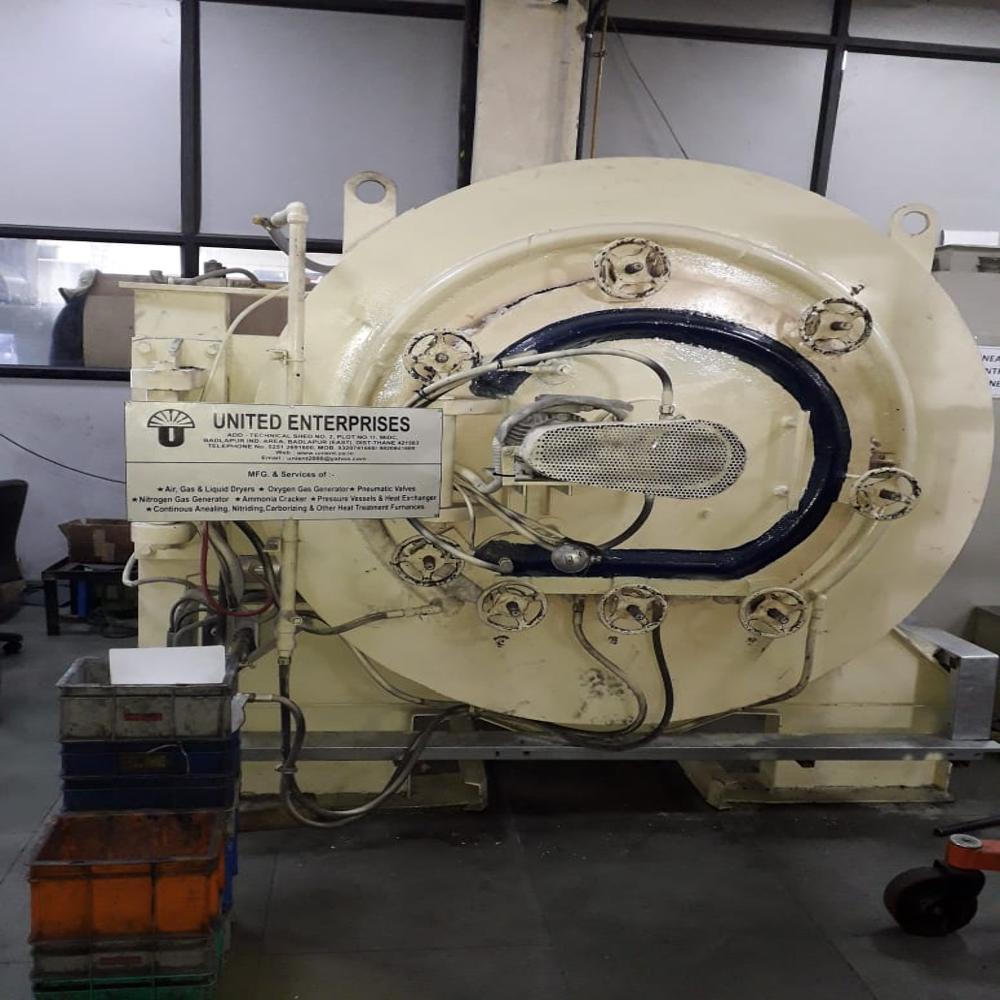
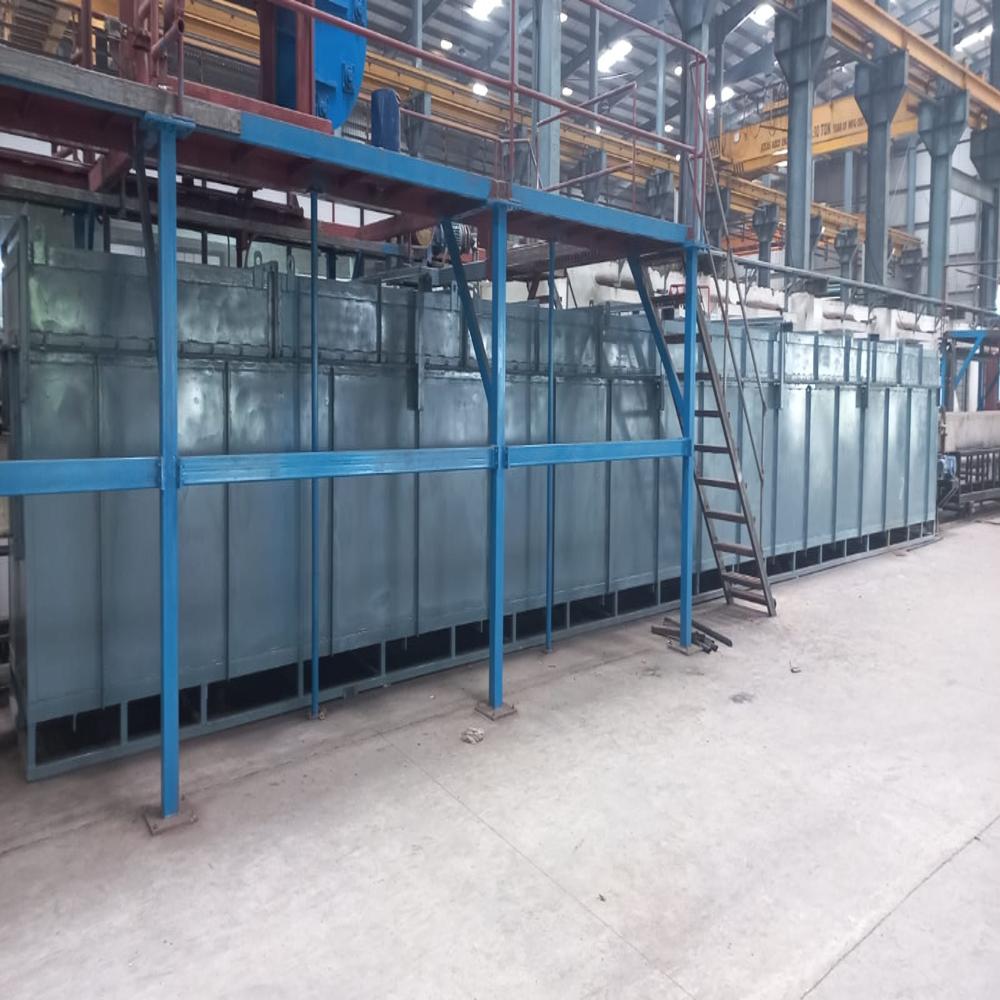
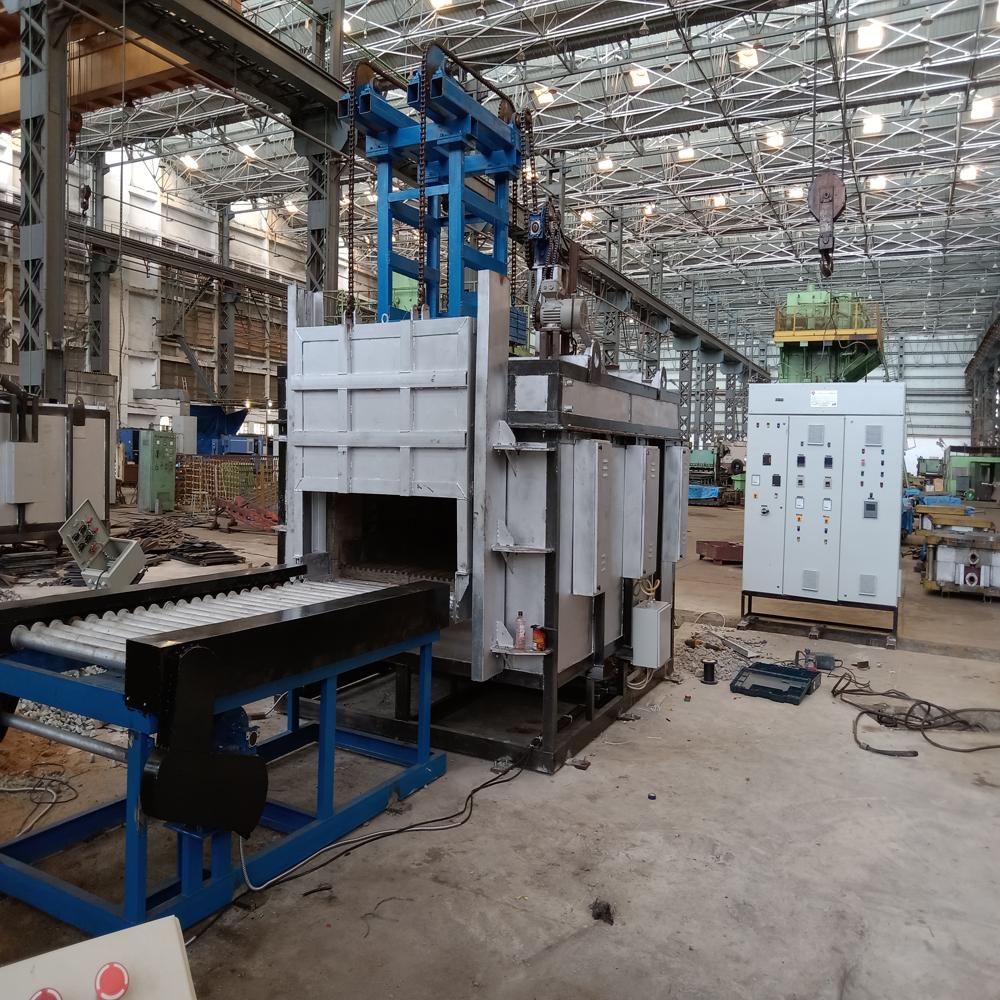
Thermal Debinding Furnace manufactured by United Enterprises is a precision-engineered furnace built for slow, controlled thermal removal of polymer binders from green parts before sintering.
Brief Description:
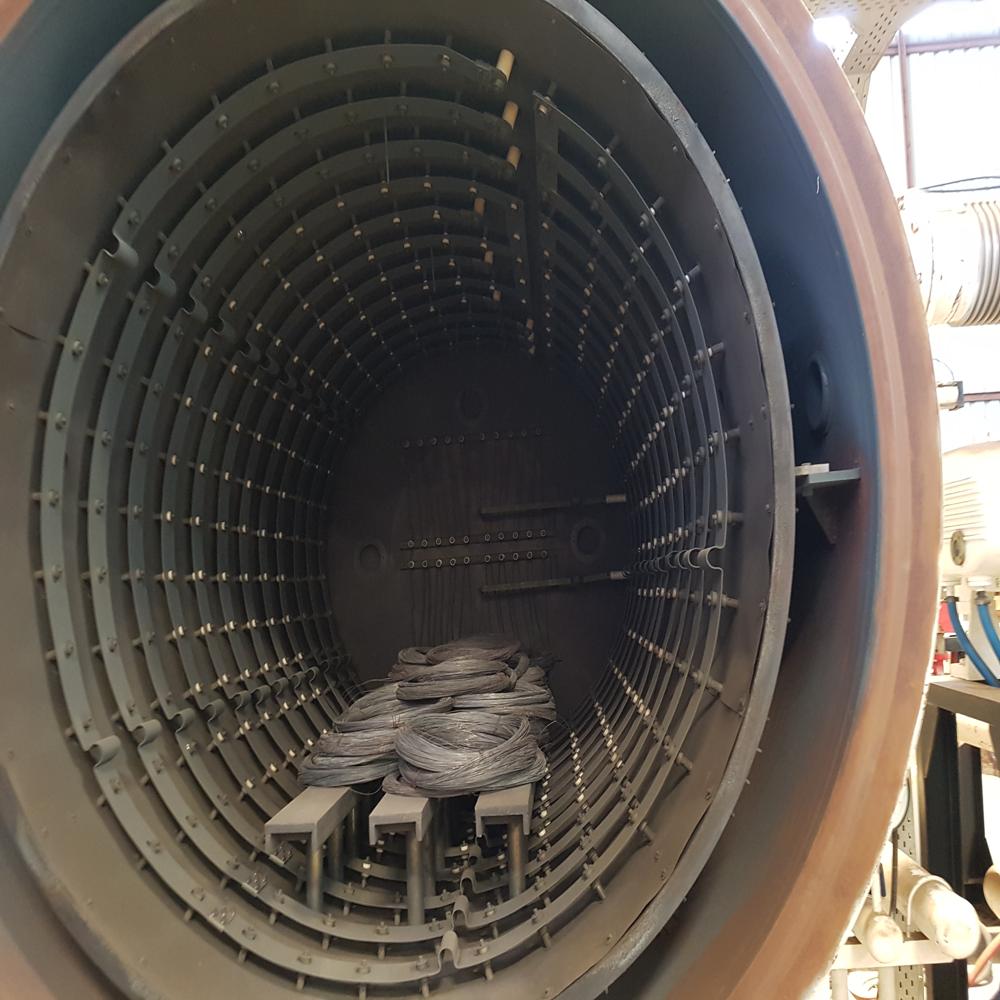
Thermal debinding removes polymer binders by slow, controlled heating, while keeping the green part intact. Our Thermal Debinding Furnaces are offered in vacuum, inert and reducing atmosphere configurations, with multi-zone heating, engineered exhaust and cold-trap or condenser systems for safe handling of vapours.
Each furnace is built around the customers binder system and green-part geometry, with PLC and SCADA-based recipe storage and full traceability.
Combined thermal debinding + sintering units are also available.
Characteristics:
- Designed for thermal debinding of green parts
- Maximum temperature up to 1200C (de-binding range typically 200C600C)
- Vacuum / inert / reducing atmosphere options
- Engineered exhaust with cold traps and oil filters
- Multi-zone PLC and SCADA temperature control
- Batch or continuous configurations
- Combined de-binding + sintering option
- Safety interlocks for binder vapour handling
About United Enterprises:
United Enterprises is a trusted Thermal Debinding Furnace manufacturer in India with over 25+ years of experience in PM and MIM thermal processing. We design, manufacture, supply, export and commission tailor-made thermal debinding furnaces across Asia and Europe. Our turnkey approach, in-house design and CE / ISO compliant manufacturing serve MIM, CIM and advanced material industries.
FAQs:
Q: Why thermal debinding?
A: It gives tight control over binder removal and minimises defects in fragile green parts.
Q: Solvent debinding do you offer it?
A: Our focus is on thermal debinding furnaces. Solvent debinding is a separate process step typically done before thermal debinding.
Q: Can it be integrated with sintering?
A: Yes. Combined thermal debinding + sintering vacuum furnaces are part of our standard offering.
Precision Engineering for Debinding ProcessesThis furnace is meticulously engineered for high-efficiency thermal debinding in industrial environments. Its cutting-edge control system and superior temperature uniformity make it ideal for removing binders from ceramic, metal, and polymer parts with minimal risk of thermal gradients or damage. Reliable insulation and robust chamber materials ensure consistent results even in demanding production cycles.
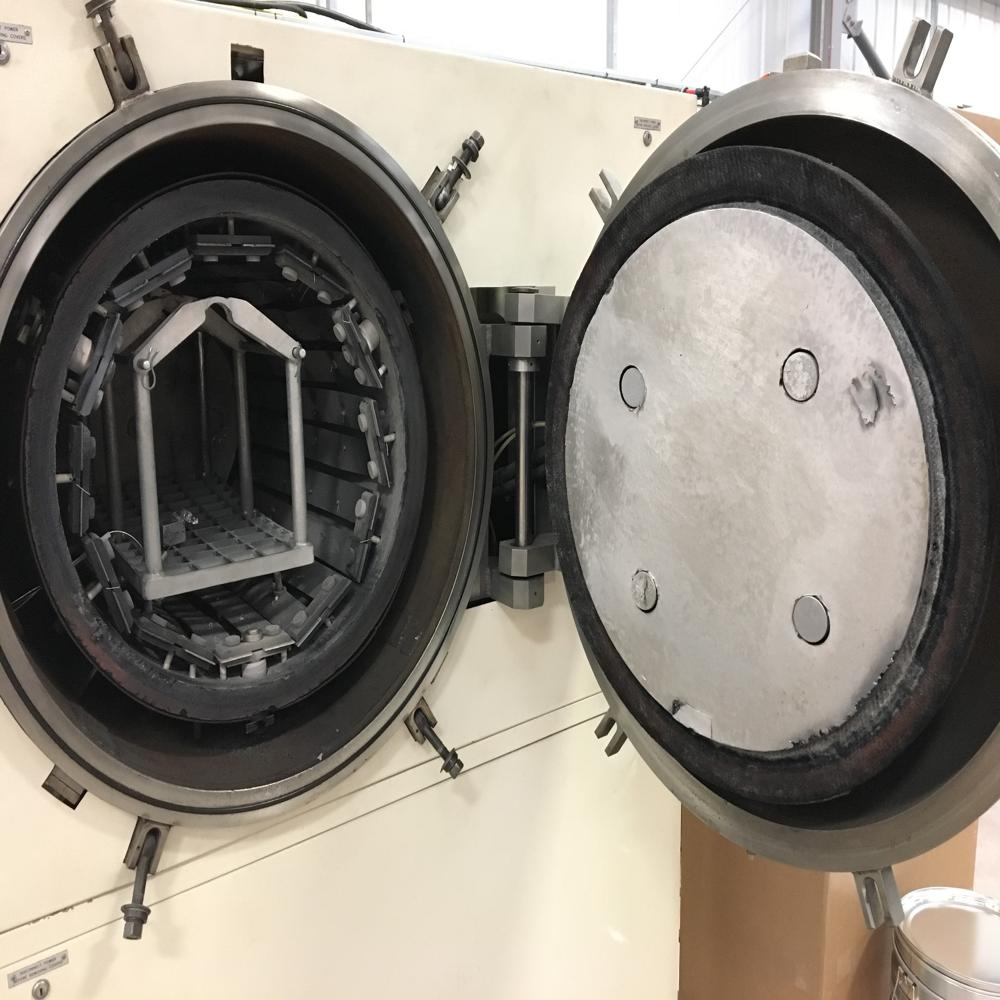
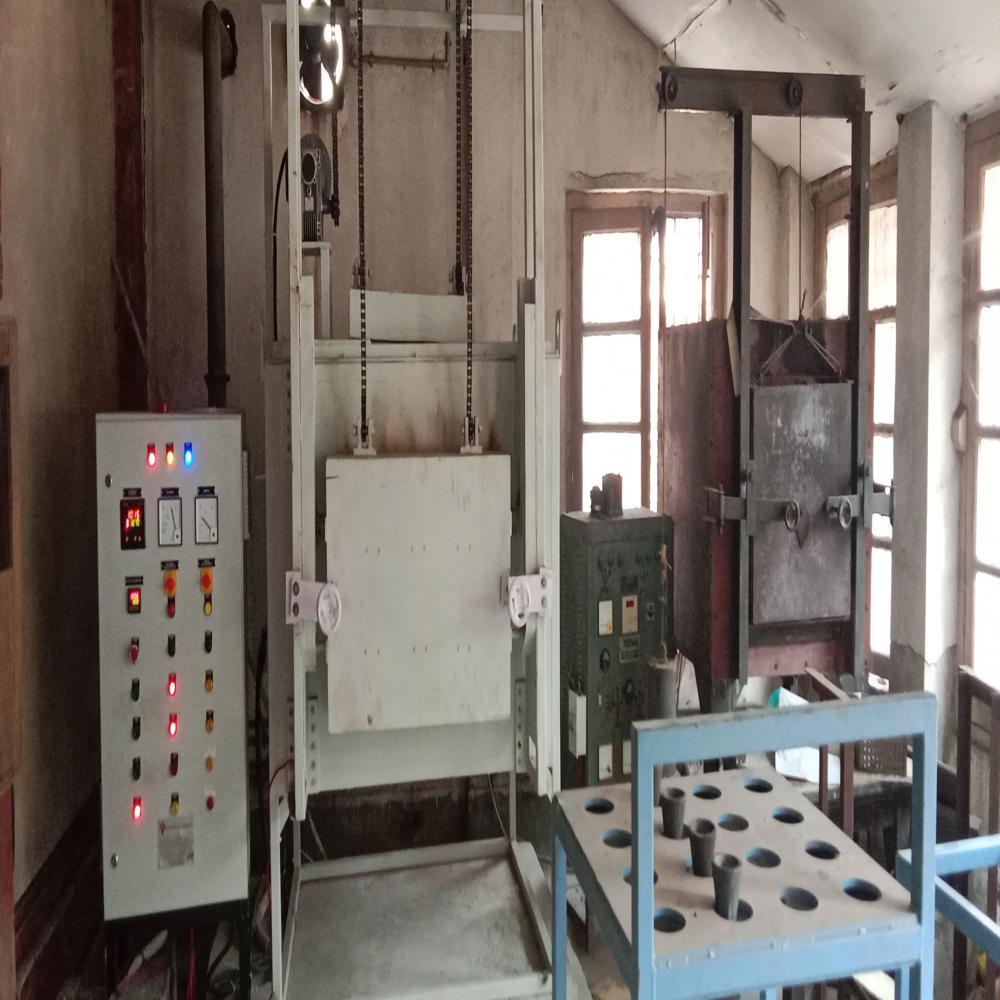
Customizable Design for Flexible OperationsWith capacities from 20 to 500 liters and optional front or top loading door configurations, this furnace can be tailored to suit production requirements. Custom chamber sizes, variable power ratings, and selectable atmosphere controls allow manufacturers to adapt the equipment for various applications and materials, ensuring optimal workflow integration.
Comprehensive Safety and User-Friendly OperationAdvanced safety provisions, including overtemperature protection, door interlocks, and automatic shutoff, safeguard operators and equipment. The digital PID or PLC controllers, coupled with intuitive touch screen interfaces, make operation, programming, and parameter adjustments straightforward, ensuring reliability and minimizing operational risks.
FAQ's of Thermal Debinding Furnace:
Q: How does the Thermal Debinding Furnace maintain uniform temperature during operation?
A: The furnace utilizes high-quality Kanthal or Nichrome heating elements alongside a PID digital controller or PLC system to achieve a temperature uniformity of 5C. Even heating is further ensured by the ceramic fiber insulation and optimized chamber design, reducing thermal gradients that can impact product quality.
Q: What materials and atmospheres can be processed in this furnace?
A: This furnace is compatible with ceramics, metals, and polymers, making it suitable for a wide variety of debinding applications. Users can select air, nitrogen, or argon as the processing atmosphere, providing precise control over the environment for different material requirements.
Q: When is this furnace typically used in manufacturing processes?
A: The Thermal Debinding Furnace is primarily used in the intermediate stage of manufacturing, after component shaping and before sintering. It safely extracts binders from parts without compromising structural integrity, preparing components for final densification steps.
Q: Where is this furnace most beneficial in industrial usage?
A: Industrial facilities involved in advanced ceramics, powder metallurgy, and additive manufacturing benefit the most. Its customizable size and atmospheric controls make it ideal for both small-batch prototyping and large-scale production environments.
Q: What is the startup time for the furnace and why is it significant?
A: The typical startup time is between 60 and 90 minutes, allowing the furnace to reach stable operating conditions for precise debinding. This efficient ramp-up reduces overall process downtime and enhances workflow efficiency.
Q: How does the control system enhance operational convenience and safety?
A: Operators can choose between a PID digital controller or a PLC with a touchscreen interface for accurate temperature control, multi-step programming, and real-time monitoring. Integrated safety features like automatic shutoff, door safety interlock, and overtemperature protection further fortify operational safety.
Q: What are the main benefits of using this furnace for industrial debinding?
A: Key benefits include uniform heating, high energy efficiency, programmable process control, and robust safety measures. The customizable design ensures compatibility with diverse production needs, while low energy consumption and rapid cycle times support cost-effective operations.









 Send Inquiry

 Send Inquiry
 Send Inquiry
 Send SMS


 English
 Spanish
 French
 German
 Italian
 Chinese (Simplified)
 Japanese
 Korean
 Arabic
 Portuguese