About Hydrogen Removal Furnace
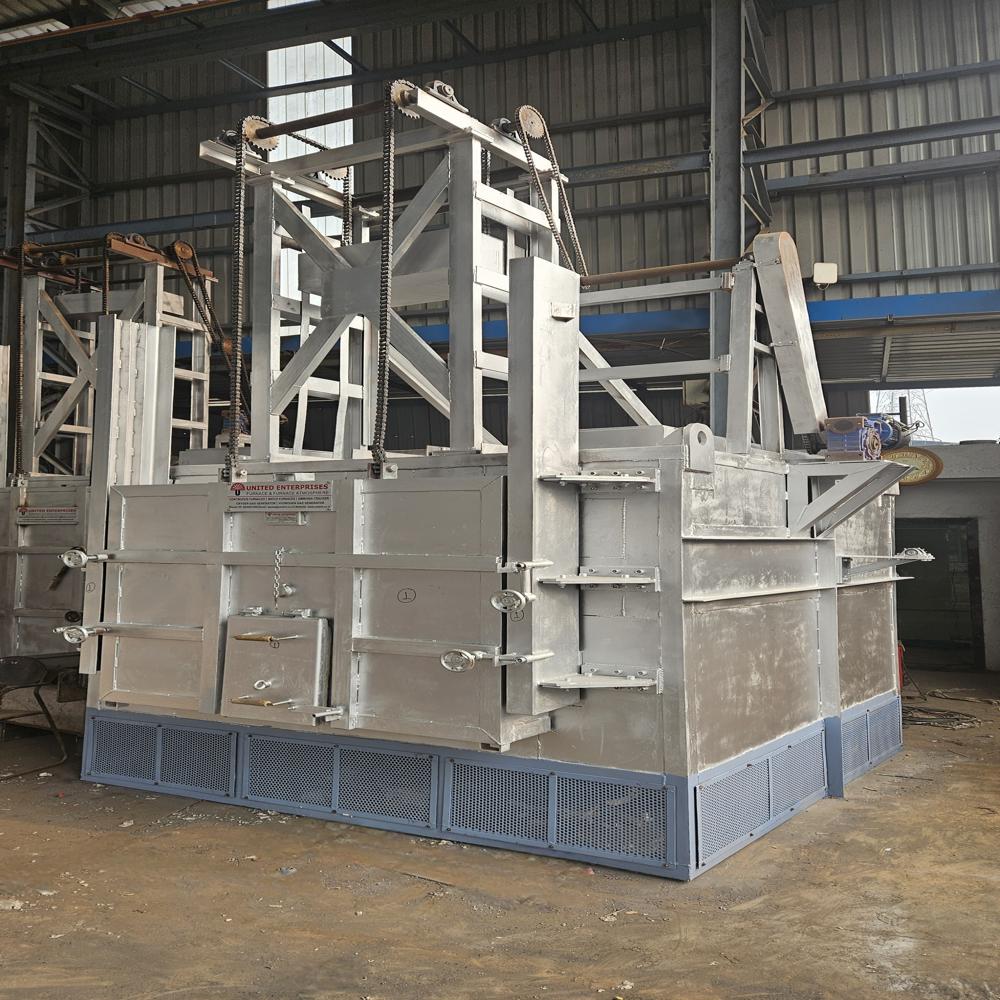
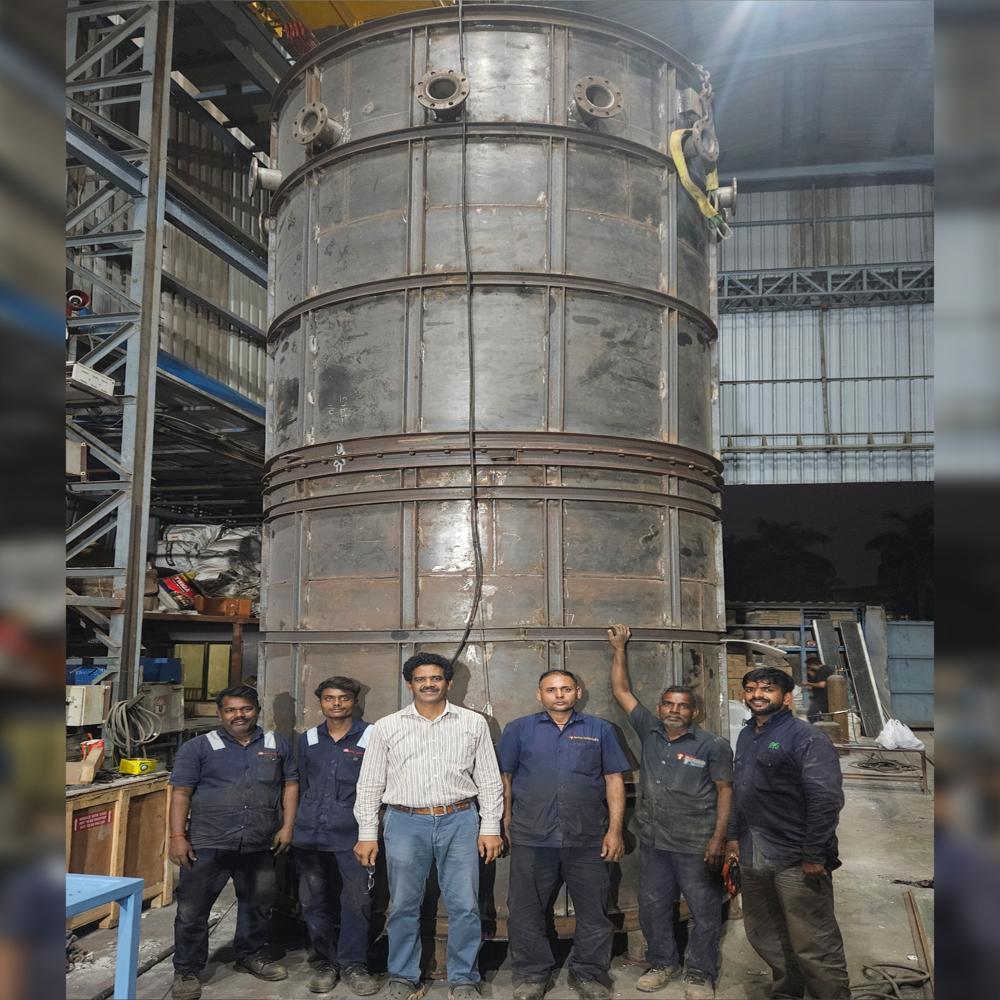
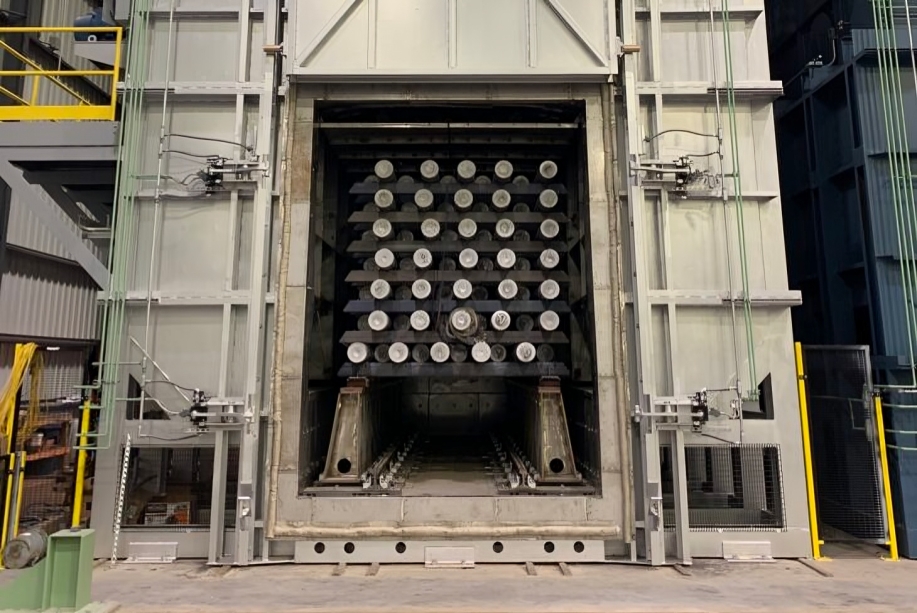
Hydrogen Removal Furnace manufactured by United Enterprises is a specialty heat treatment furnace built to lower diffusible hydrogen content in steel forgings, plates and welds preventing embrittlement and flaking.
Brief Description:
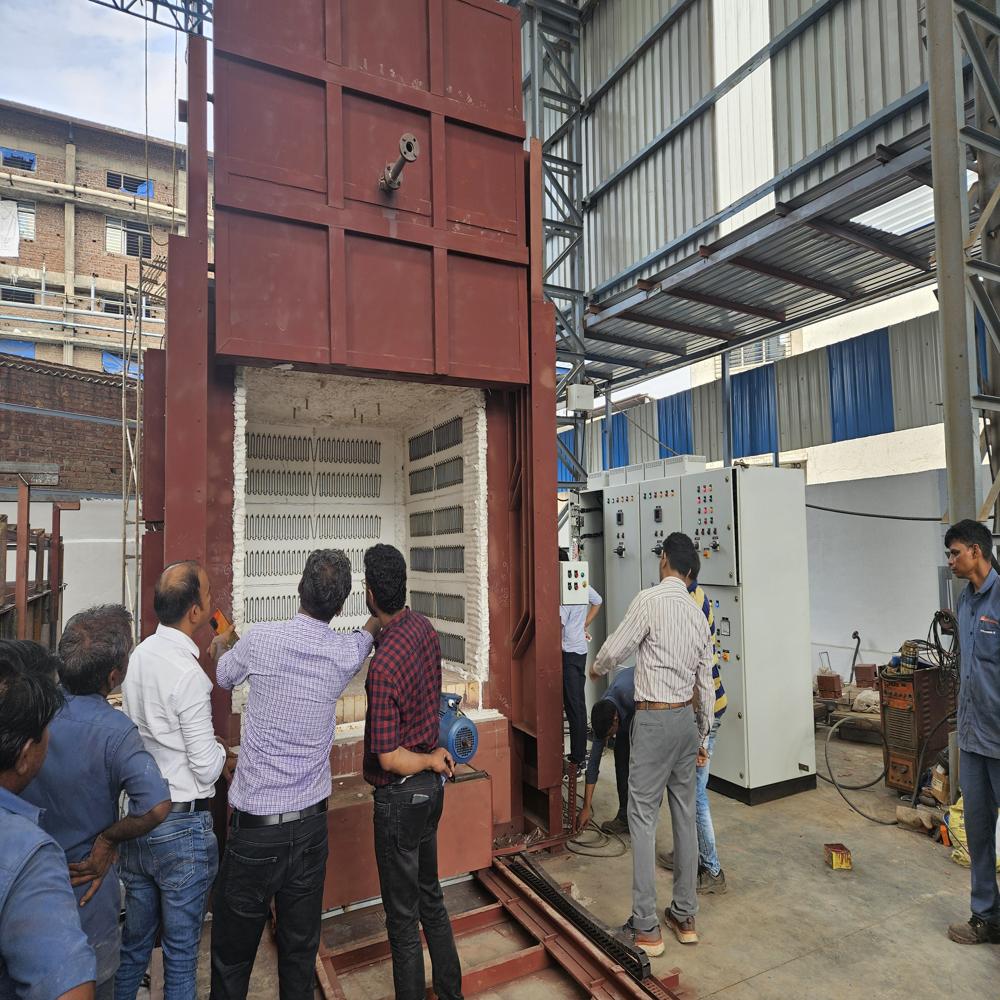
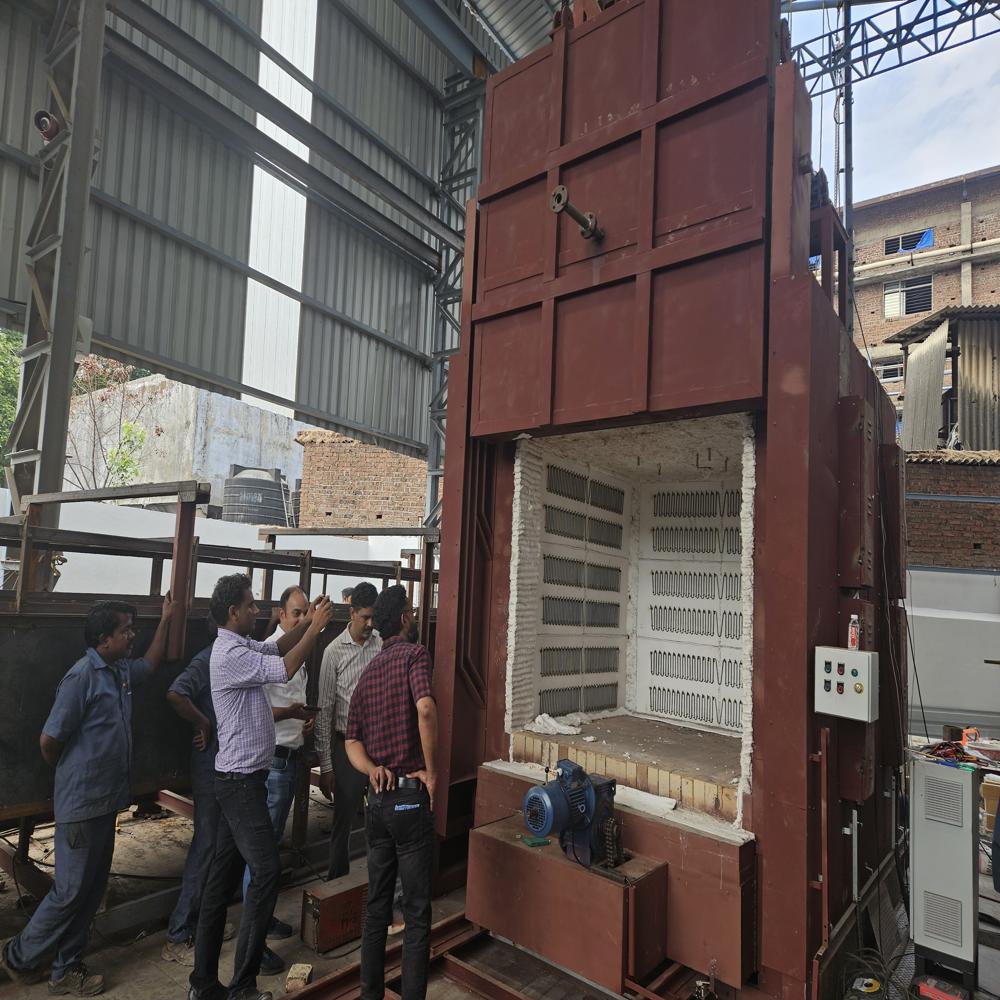
Hydrogen removal (also called de-hydrogenation or H degassing) is critical for heavy forgings, steel plates and certain welded components where hydrogen-induced embrittlement is a risk. Our hydrogen removal furnaces use long, controlled cycles with tight temperature uniformity to drive out diffusible hydrogen.
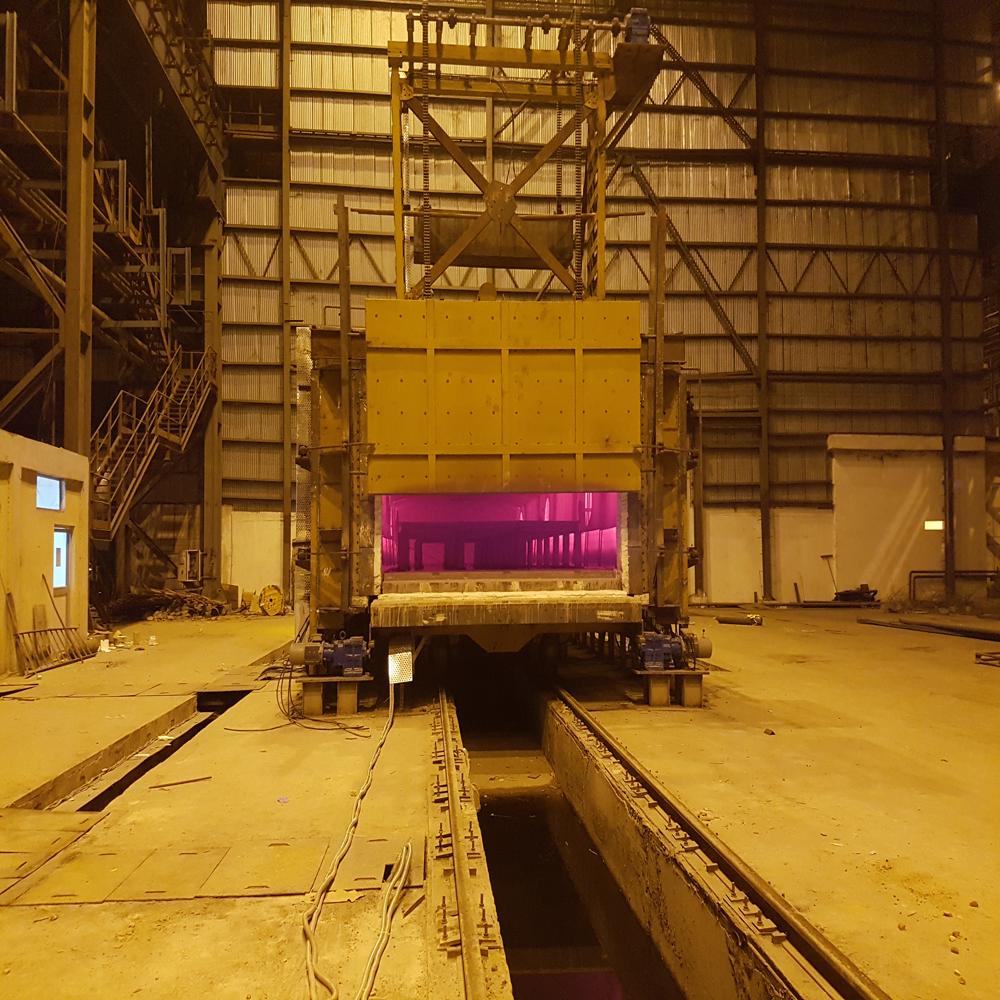
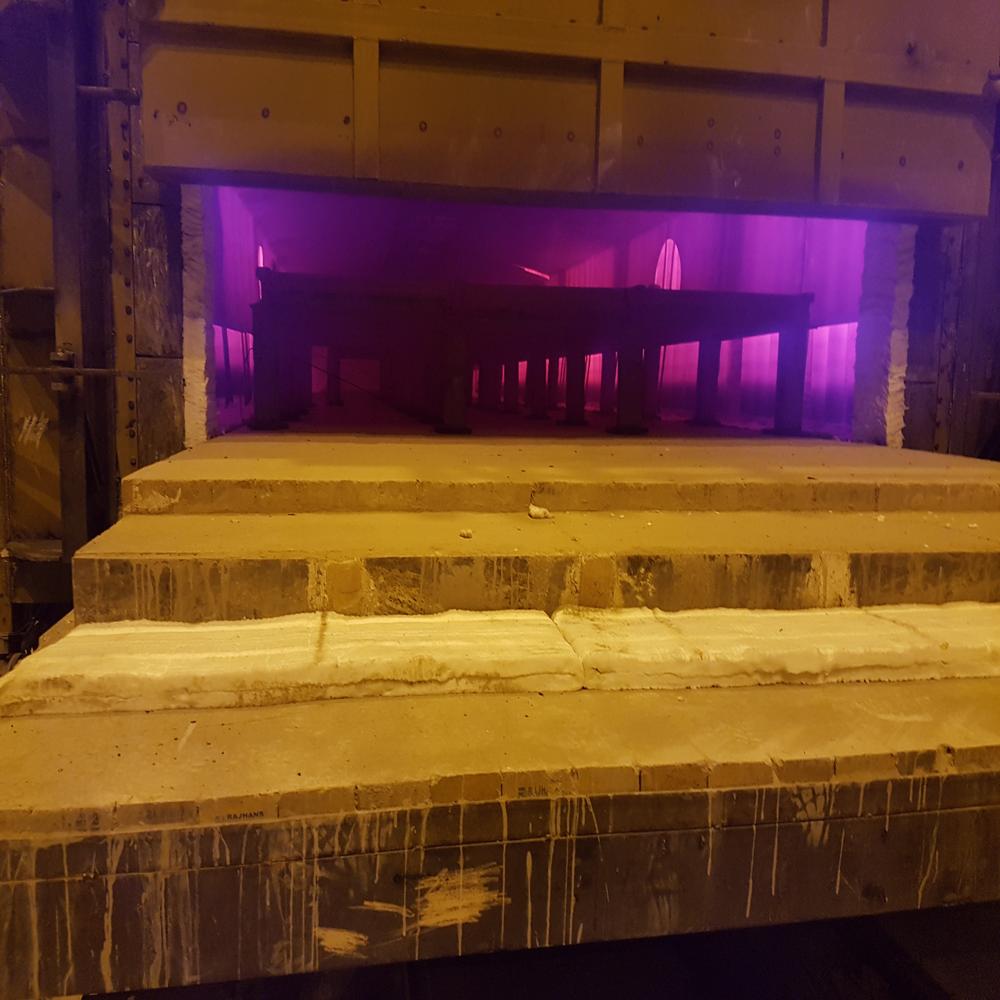
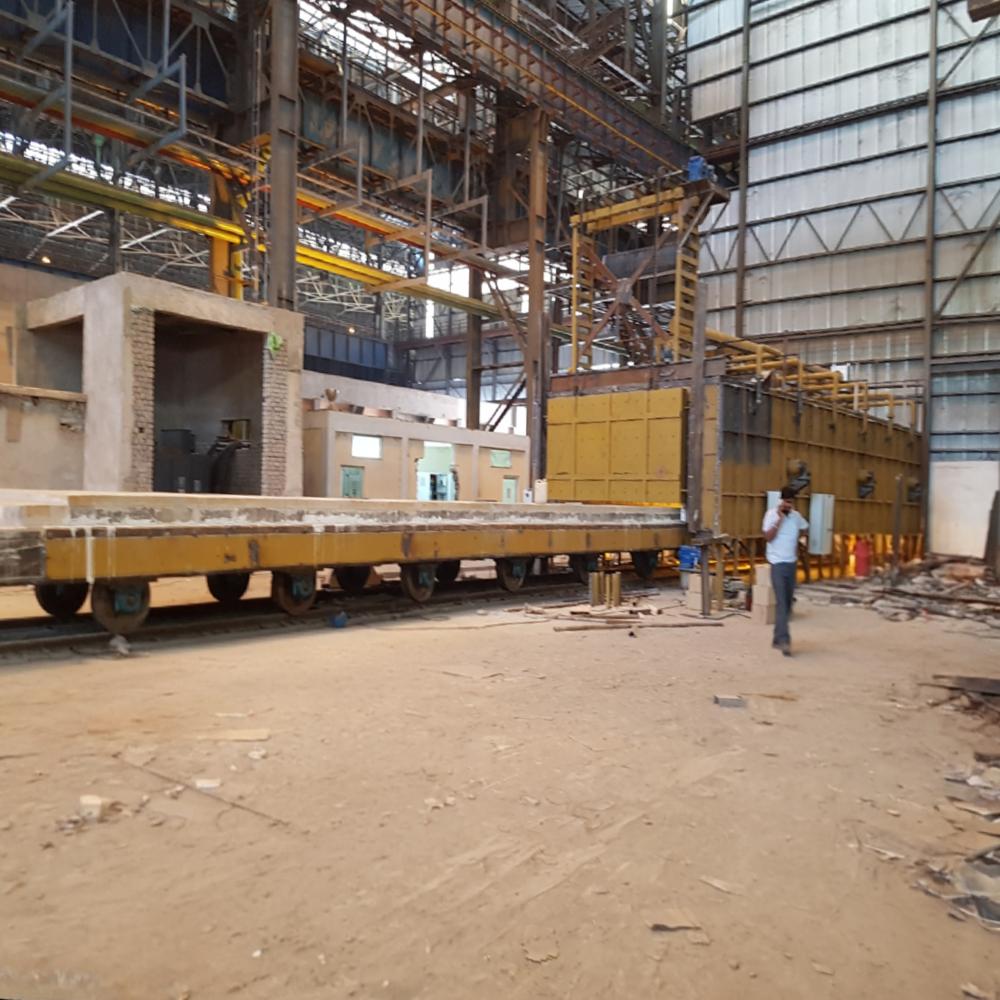
Bogie, pit, chamber and bell configurations are available, with electric or recuperative gas-fired heating. Atmosphere control via our in-house Nitrogen Generator or Ammonia Cracker is supplied where required.
Each unit is engineered around the customers component weight, dimensions and hydrogen-level targets.
Characteristics:
- Designed for low residual hydrogen in steel
- Long, slow controlled cycles
- Bogie / pit / chamber / bell configurations
- Available in electric and recuperative gas-fired versions
- Inert / reducing atmosphere via in-house gas generators
- Special air-recirculation fans for uniformity
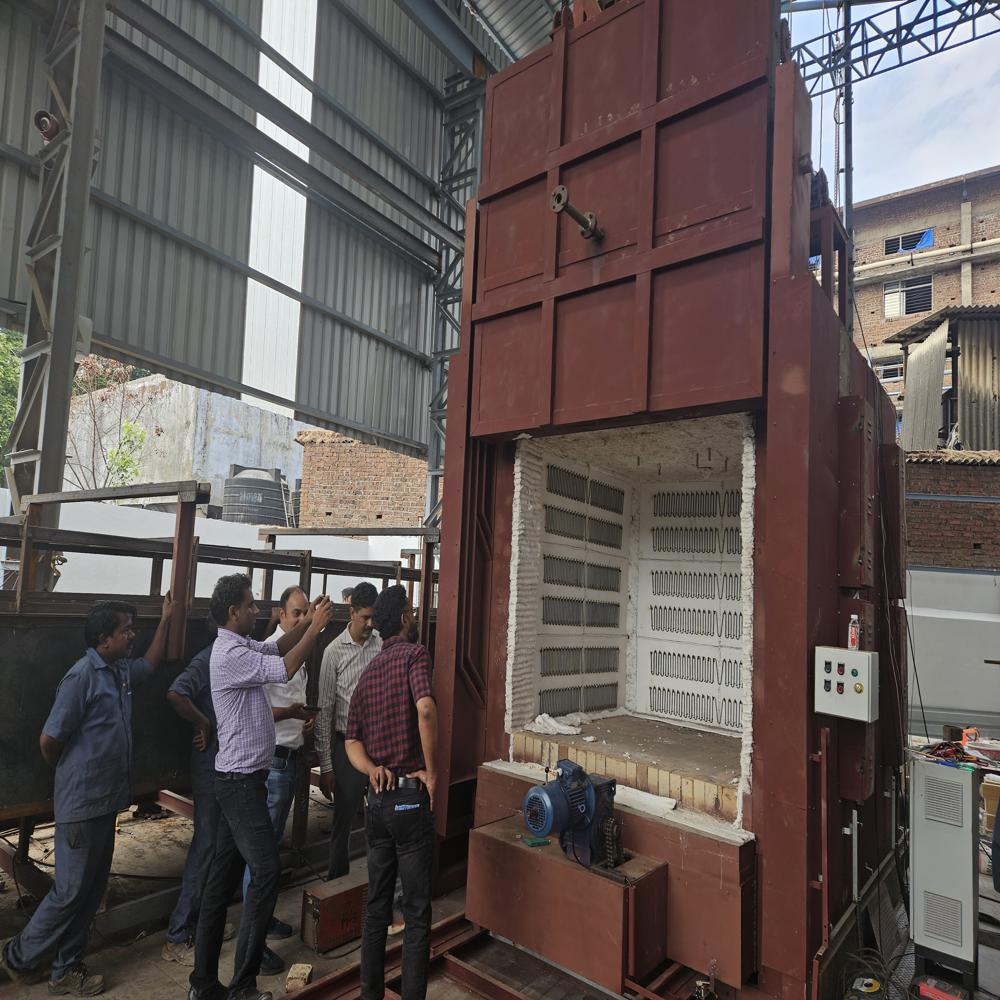
- Low-density high-quality insulation
- Fully automated SCADA system
About United Enterprises:
United Enterprises is a recognised Hydrogen Removal Furnace manufacturer in India with over 25+ years of experience in specialty heat treatment systems. We design, manufacture, supply, export and commission tailor-made hydrogen removal furnaces across Asia and Europe. Our turnkey approach, in-house gas generator manufacturing and CE / ISO compliance serve defence, heavy forging and steel plate industries.
FAQs:
Q: How does hydrogen removal differ from anti-flaking?
A: They are closely related; anti-flaking is one specific use of hydrogen removal heat treatment, focused on preventing hydrogen flakes in plates.
Q: How long is a typical cycle?
A: Several hours to a few days depending on component size and target residual hydrogen.
Q: Do you support cycle validation?
A: Yes. Trial cycles and metallurgical validation are part of our commissioning support.
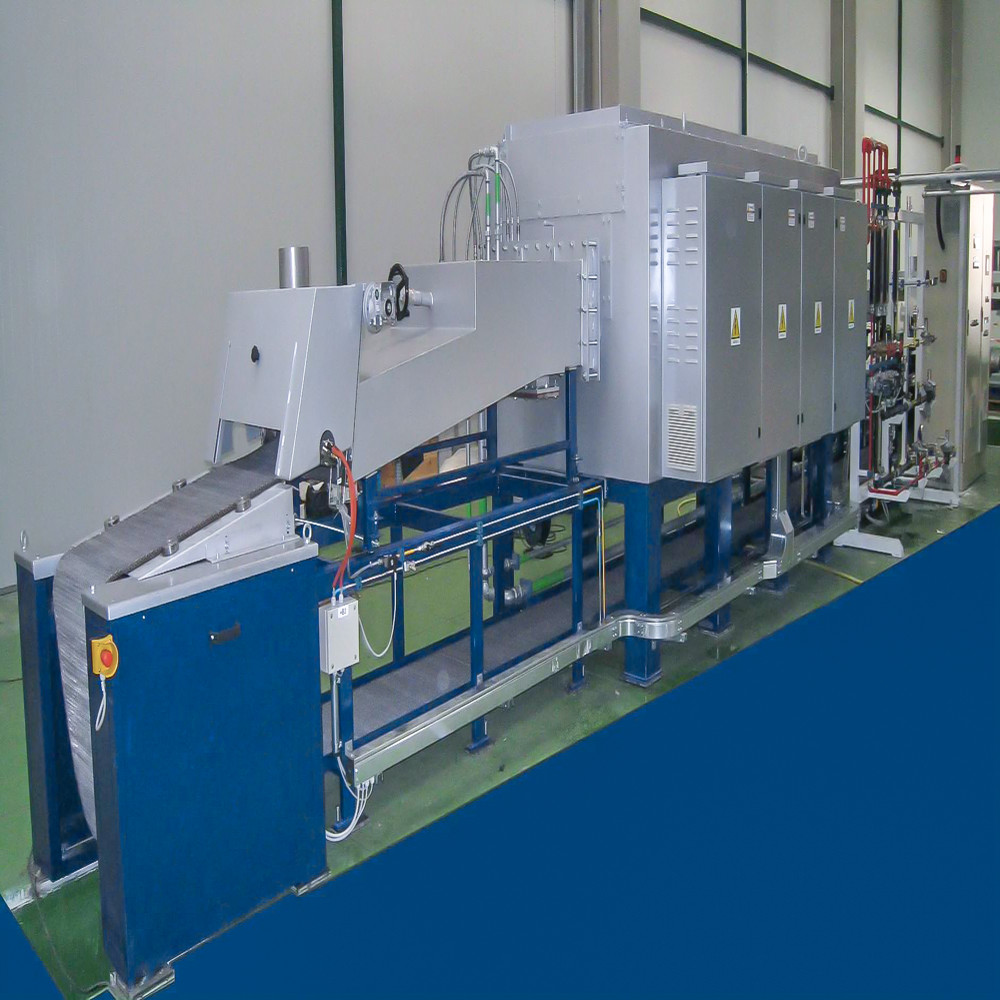
Advanced Temperature Control and HeatingThe furnace's PLC-based automated system allows precise temperature management up to 1700C, providing optimal conditions for hydrogen removal from glass melts and metals. Utilize either resistive or regenerative burner heating, depending on process requirements, for maximum efficiency and uniformity throughout each batch or continuous cycle.
Robust Construction and Efficient InsulationConstructed with high-grade mild steel and superior refractory lining, the furnace ensures longevity and resilience under industrial operating conditions. The insulation utilizes high-quality ceramic fibers, minimizing heat loss and boosting energy efficiency. The anti-corrosive coating further protects the surface, supporting years of dependable performance.
Intelligent Safety and Operational FeaturesEquipped with advanced safety systems, including overheat protection, emergency shut-off, and safety interlocks, our furnace guarantees secure operations. The digital touchscreen display and automated controls simplify monitoring, while the optional air or water cooling systems enhance operational stability.
FAQ's of Hydrogen Removal Furnace:
Q: How does the hydrogen removal process work in this furnace?
A: The furnace removes dissolved hydrogen by heating glass or metal melts to precise temperatures, causing hydrogen to escape in a controlled atmosphere. This process utilizes uniform temperature distribution and regulated chamber atmospheres (either inert or controlled) to optimize hydrogen extraction, ensuring higher quality end products.
Q: What industries typically use this hydrogen removal furnace?
A: Primarily, the furnace is deployed in the glass and metal processing industries, where effective hydrogen removal is critical for improving product clarity, strength, and overall quality in applications like float glass production, specialty glassware, and high-grade metal manufacturing.
Q: When should I choose resistive heating versus regenerative burner heating?
A: Resistive heating is ideal for environments requiring fast start-up, precise temperature adjustment, and lower emissions. Regenerative burner heating suits large-scale, continuous operations where energy efficiency and fuel flexibility (electric, oil, or gas) are prioritized. Selection depends on your specific process requirements and operational scale.
Q: What installation support is provided for this furnace?
A: Comprehensive on-site installation support is offered, including setup, calibration, and operator training. This ensures that the furnace integrates seamlessly with your facility's workflow and that staff fully understand operational and safety protocols.
Q: How is operator safety ensured during furnace operation?
A: Operator safety is proactively safeguarded through features such as automated overheat protection, emergency shut-off buttons, and interlocks on doors and critical systems. These mechanisms promptly respond to anomalies, minimizing risks and enabling safe operation even during demanding production cycles.
Q: Where can the furnace be configured for custom size or capacity requirements?
A: Furnace size and configuration are fully customizable to align with client specifications, with design adaptations accommodating varying capacities (from 100 kg/hr to 2000 kg/hr or more), chamber dimensions, and specific installation needs. Our technical team collaborates directly to develop an optimal solution.
Q: What are the advantages of a PLC-based control system with a digital touchscreen interface?
A: A PLC-based control system offers precise, automated management of temperature, atmosphere, and cycle timing. The digital touchscreen panel allows intuitive operation, real-time monitoring, and rapid troubleshooting, enhancing process accuracy and reducing chances for operator error.









 Send Inquiry

 Send Inquiry
 Send Inquiry
 Send SMS


 English
 Spanish
 French
 German
 Italian
 Chinese (Simplified)
 Japanese
 Korean
 Arabic
 Portuguese