About Debinding Furnace
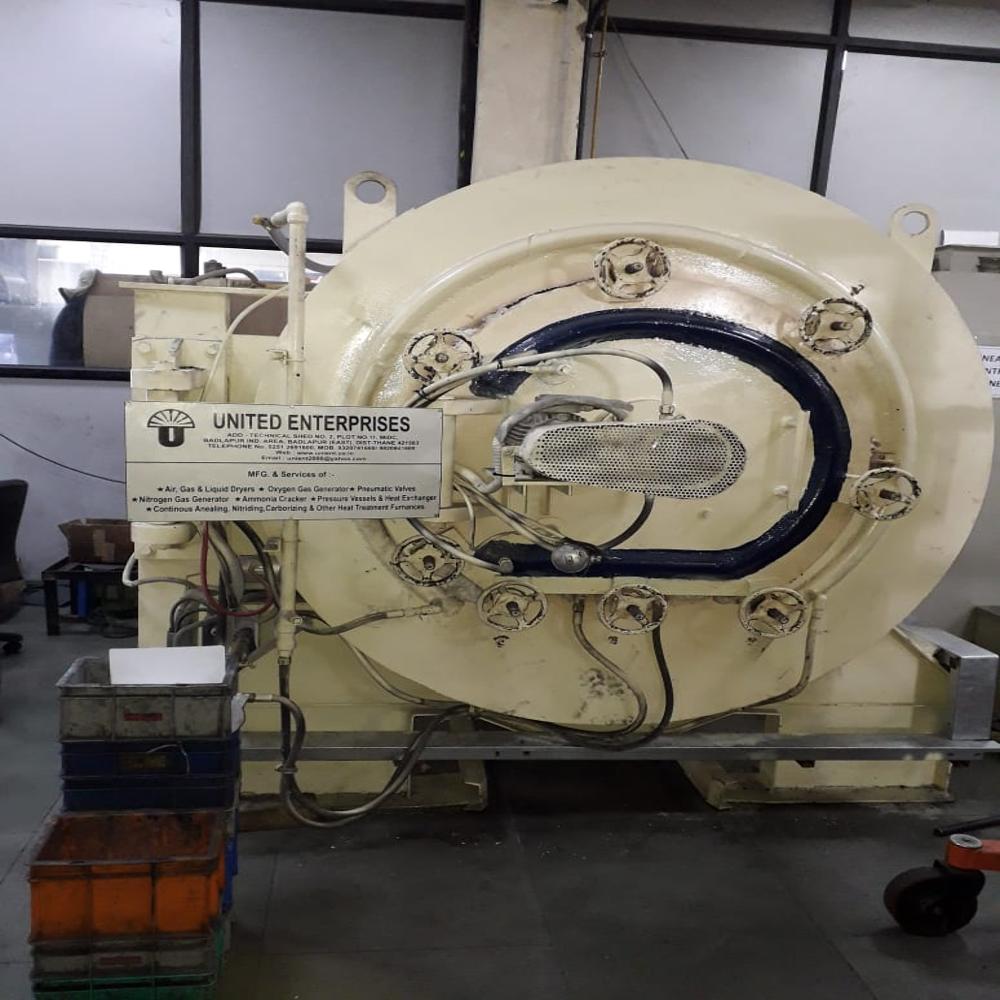
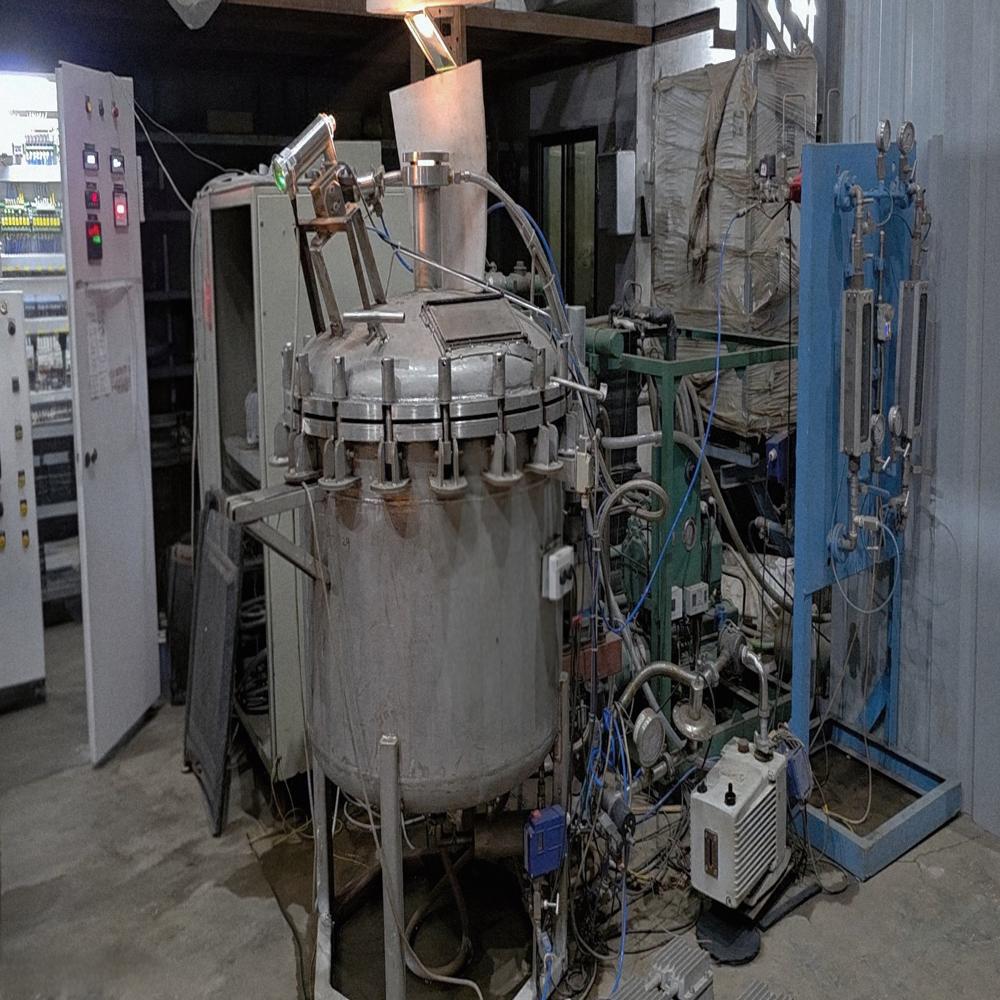
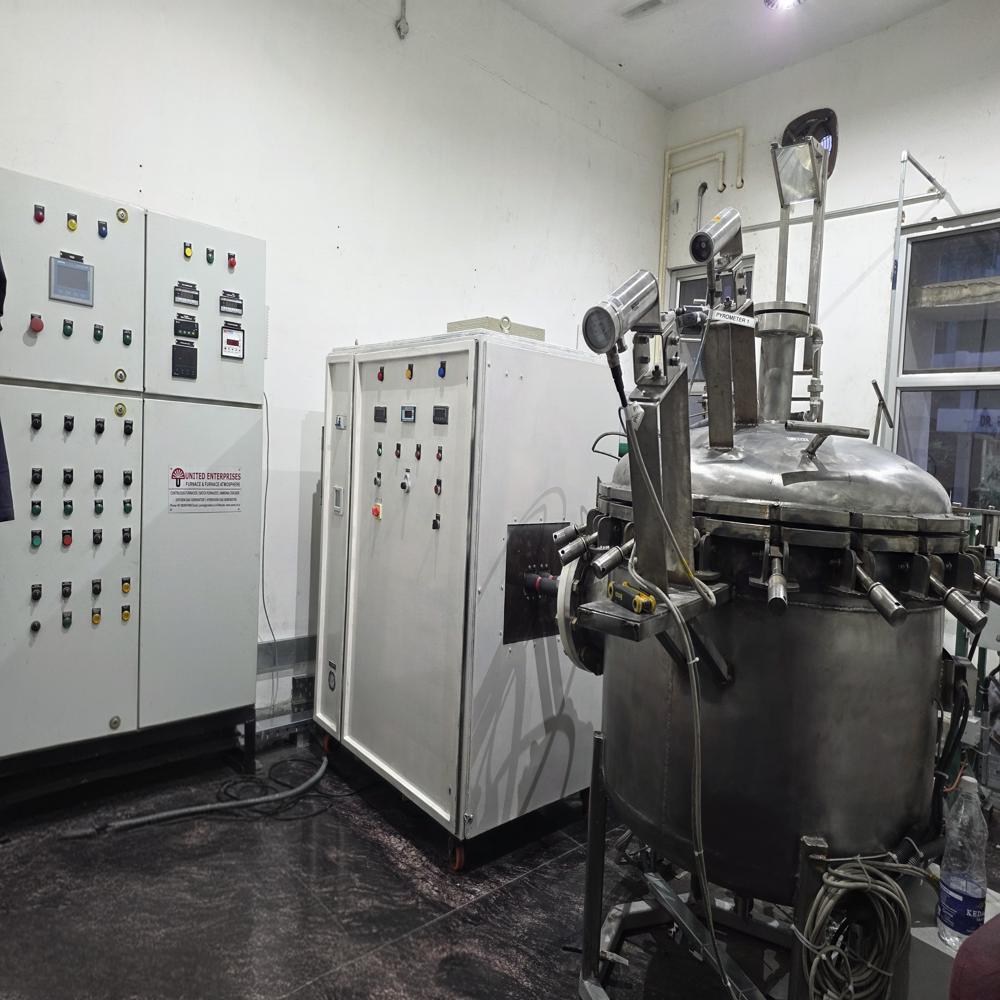
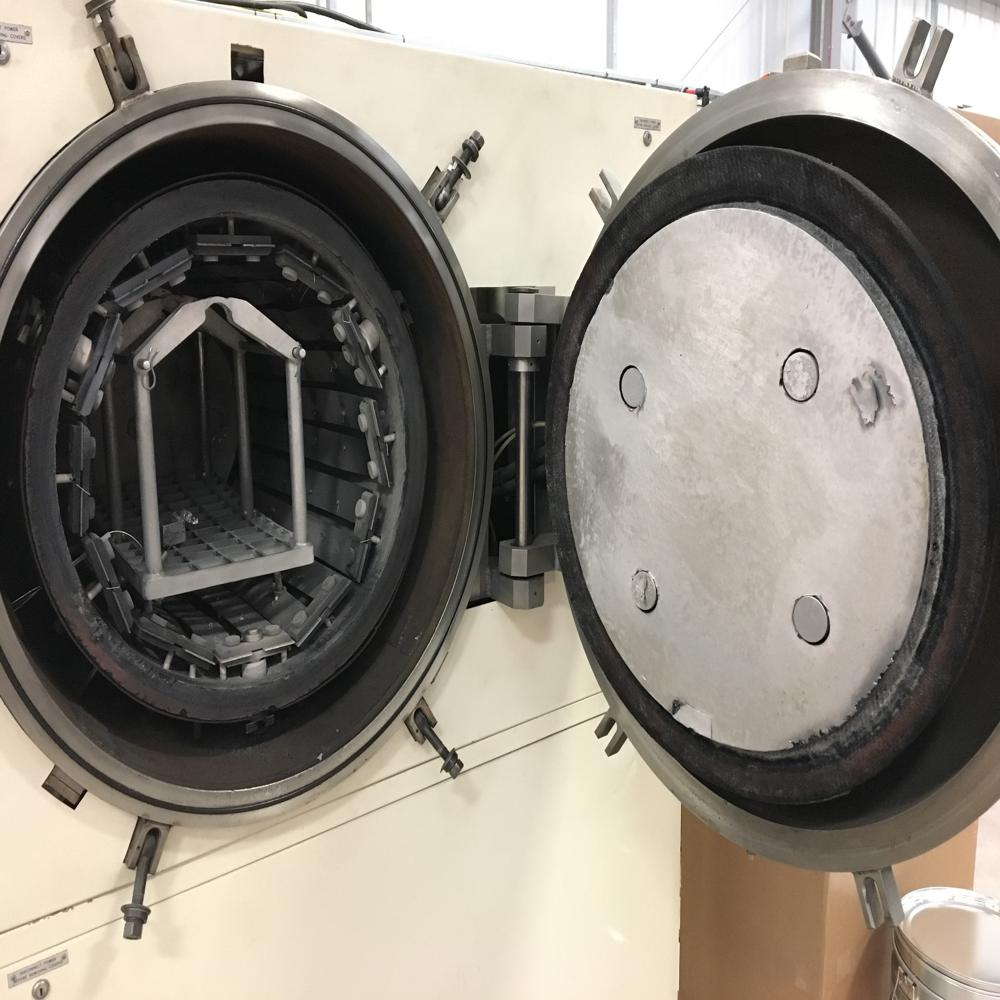
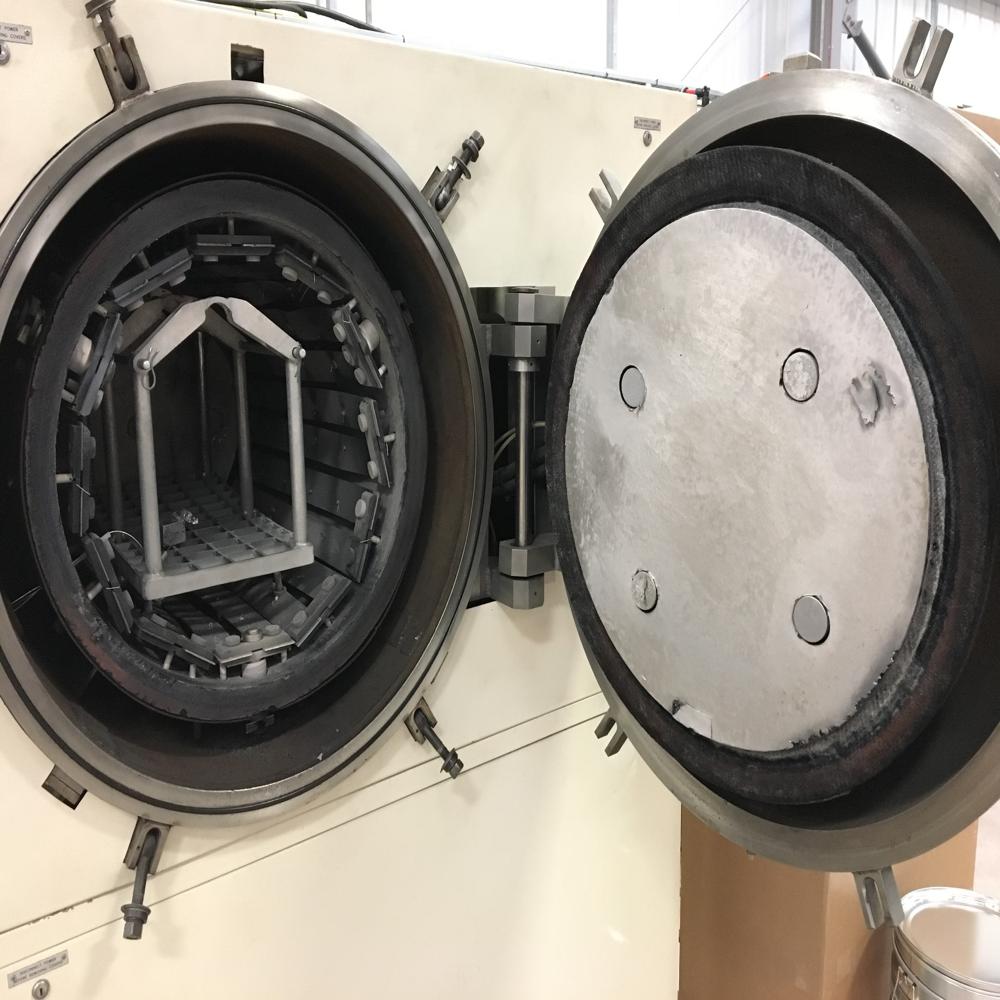
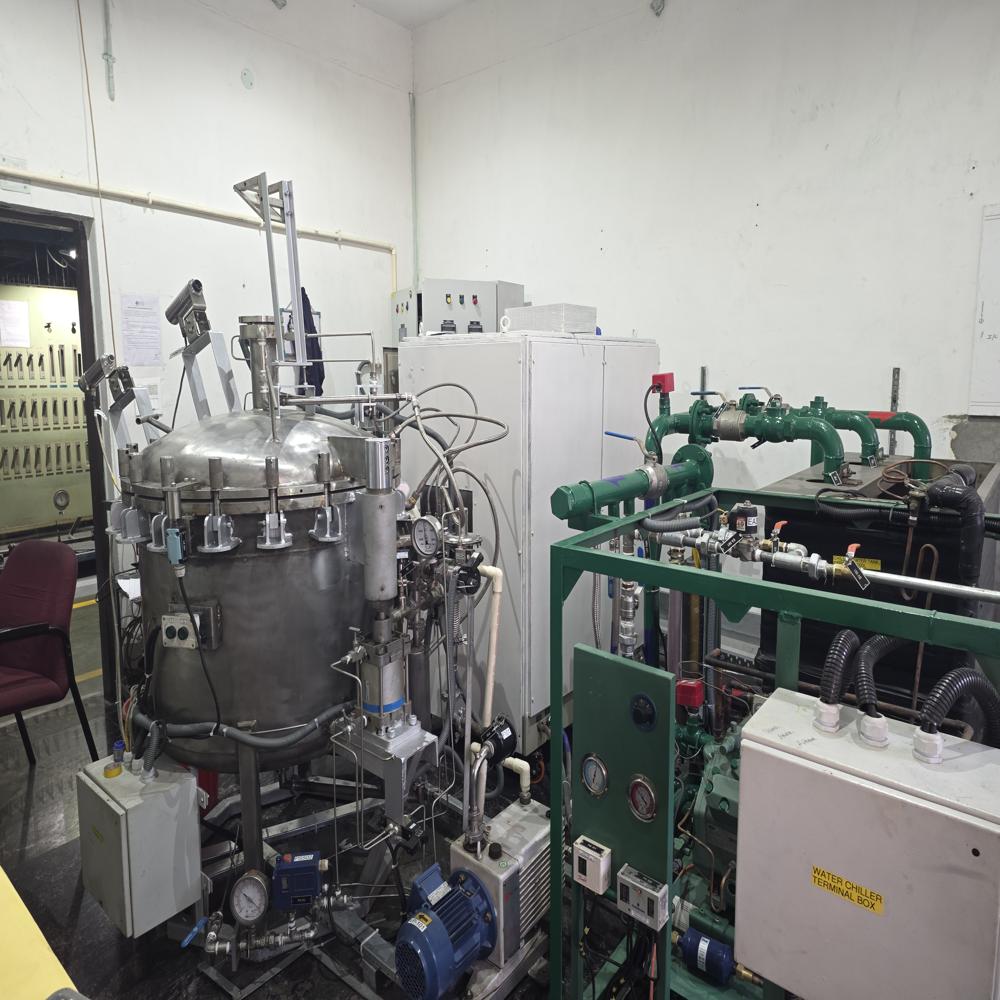
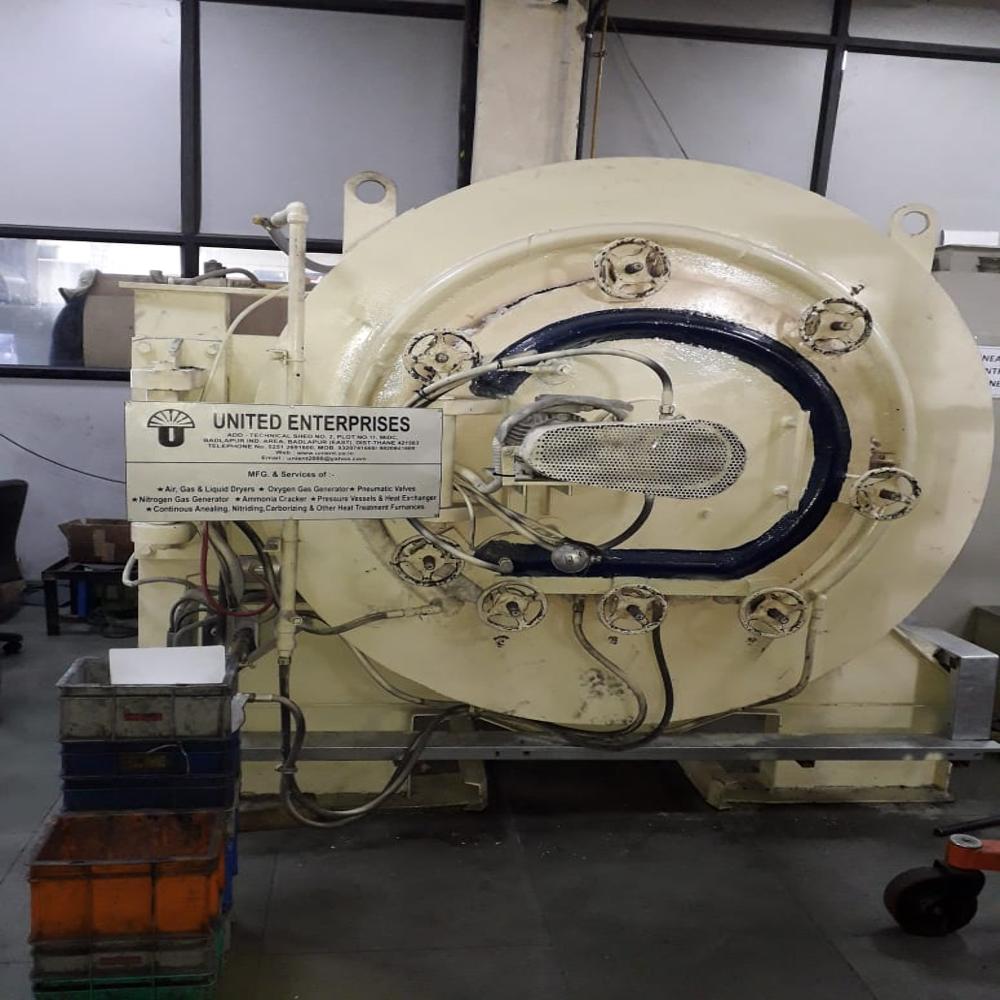
Debinding Furnace manufactured by United Enterprises is a controlled-atmosphere thermal processing furnace built to remove polymer binders from MIM, CIM, ceramic and 3D-printed metal parts before sintering.
Brief Description:
Debinding is a critical step in any binder-based fabrication process metal injection moulding (MIM), ceramic injection moulding (CIM) and certain 3D-printed metal routes. Polymer binders that hold the green part together must be removed slowly and controlled before sintering, or defects can develop.
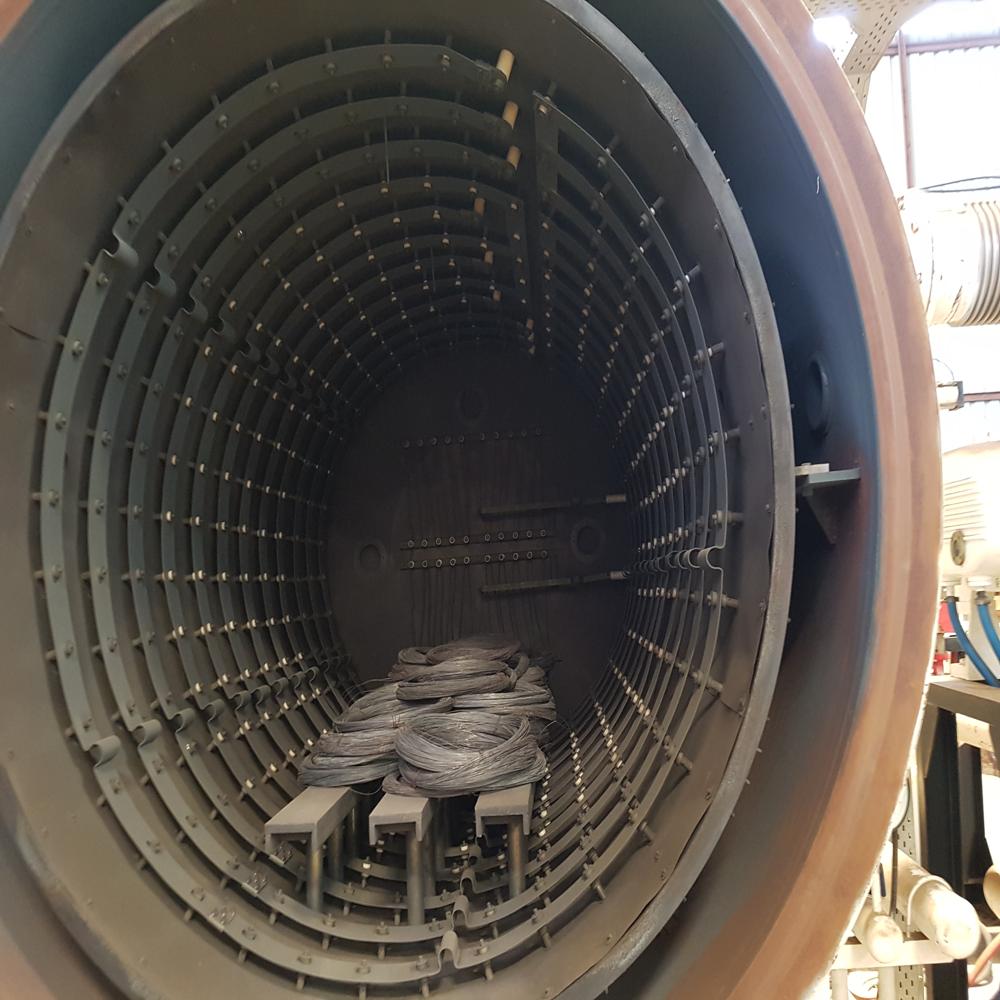
Our Debinding Furnaces are offered in vacuum, inert and reducing atmosphere configurations, with multi-zone heating, engineered exhaust systems and cold traps for safe handling of binder vapours. Both batch and continuous configurations are supplied.
Each unit is engineered around the customers binder system, green-part geometry and production volume.
Characteristics:
- Designed for thermal debinding of green parts
- Maximum temperature up to 1200C (de-binding range typically 200C600C)
- Vacuum / inert / reducing atmosphere options
- Engineered exhaust with cold traps and oil filters
- Multi-zone PLC and SCADA temperature control
- Batch or continuous configurations
- Combined de-binding + sintering option
- Safety interlocks for binder vapour handling
About United Enterprises:
United Enterprises is among the trusted Debinding Furnace manufacturers in India with over 25+ years of experience in MIM and PM thermal processing. We design, manufacture, supply, export and commission tailor-made debinding furnaces across Asia and Europe. Our turnkey approach, in-house design and CE / ISO compliant manufacturing serve MIM, CIM and advanced material industries.
FAQs:
Q: Vacuum, inert or reducing?
A: Depends on binder chemistry and downstream sintering requirement. Our team helps select the right atmosphere.
Q: Combined de-binding + sintering same furnace?
A: Yes. Combined units save floor space and avoid intermediate handling of fragile green parts.
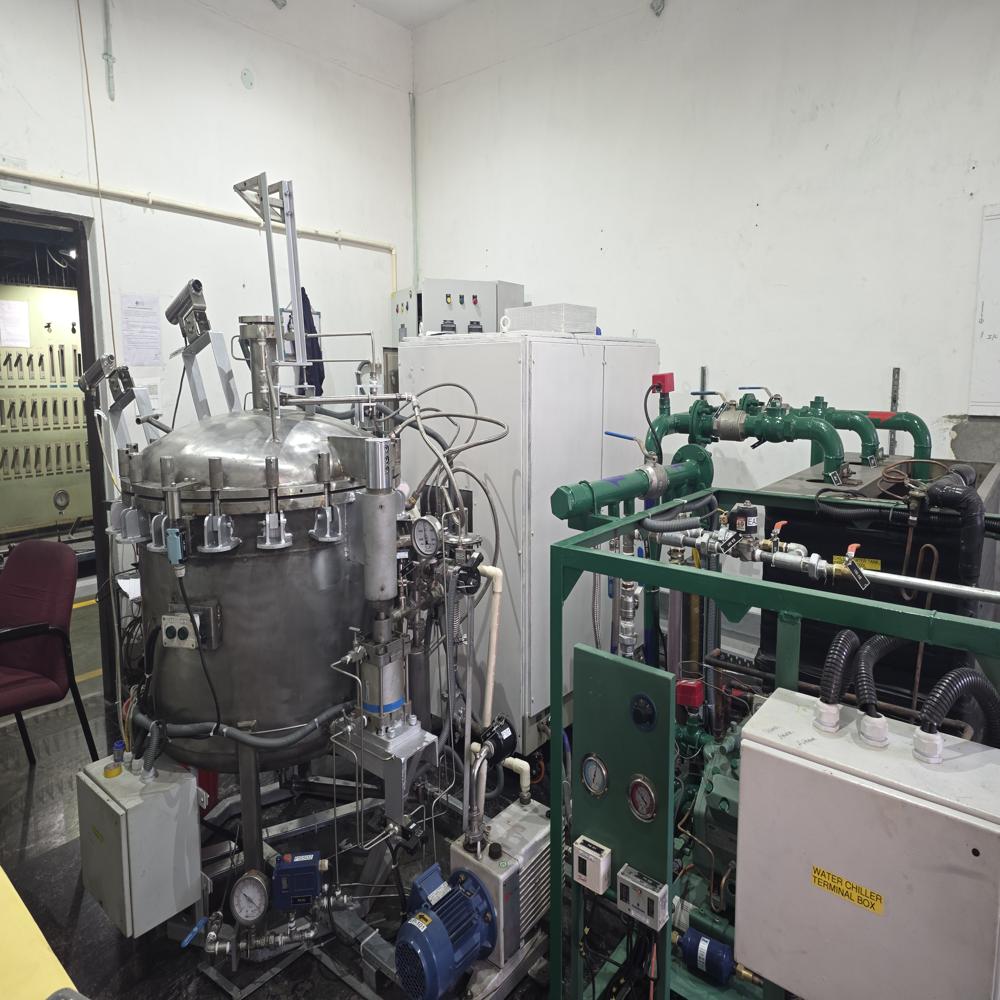
Q: Do you supply trial / pilot units?
A: Yes. Small-capacity debinding furnaces for R&D and pilot-scale studies are part of our offering.
Precision and Efficiency in DebindingAchieve highly accurate temperature control with a PID digital controller, maintaining a deviation of just 1C. The furnace's uniform heating, programmable timer, and intelligent atmosphere control ensure optimal debinding outcomes for both metal and ceramic molded components. Its high-quality insulation and robust construction guarantee energy efficiency and durability.
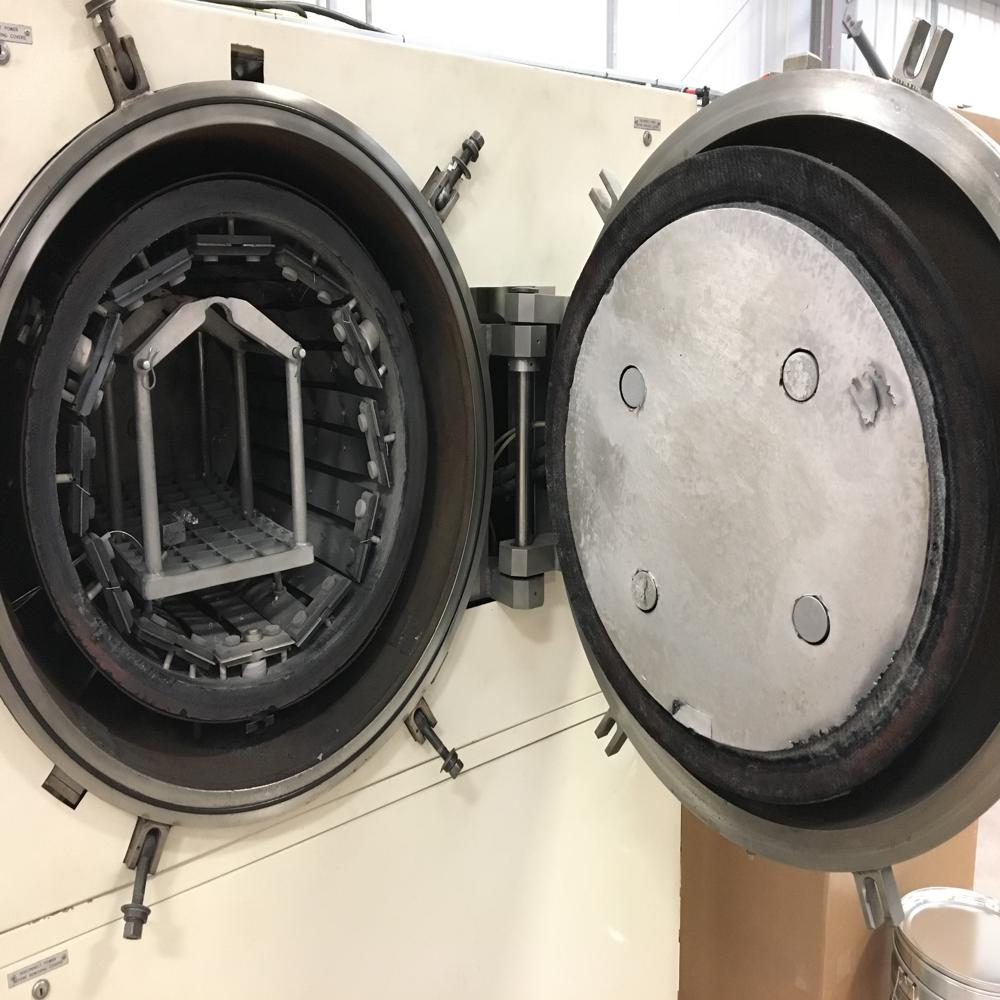
Comprehensive Safety and Ease of OperationOperate with peace of mind thanks to integrated safety features, including an over-temperature cutoff, door safety switch, and alarm system. The front-loading, swing-type door, and optional tempered viewing window increase usability and monitoring convenience, while digital controls streamline workflow.
FAQ's of Debinding Furnace:
Q: How does the Debinding Furnace maintain precise temperature control during operation?
A: The furnace utilizes a PID digital controller and high-density ceramic fiber insulation to maintain temperature accuracy within 1C, ensuring uniform heating throughout the chamber for consistent debinding results.
Q: What types of atmospheres can be controlled in this furnace, and why are they important?
A: This furnace supports nitrogen (N2), hydrogen (H2), and inert gas purging. These controlled atmospheres are crucial for preventing oxidation, tailoring debinding to specific material requirements, and achieving optimal results in metal and ceramic processing.
Q: When should I use the forced air cooling option instead of natural cooling?
A: Forced air cooling should be selected when rapid cooling is necessary to reduce cycle times, increase productivity, or safely handle heat-sensitive components after the debinding process. Natural cooling suffices for less time-sensitive applications.
Q: Where can this Debinding Furnace be installed?
A: Designed for floor mounting and rated at IP54 for industrial environments, this furnace fits well in factories, laboratories, and production lines specializing in metal injection molding and ceramic manufacturing.
Q: What is the process for programming the timer function on this furnace?
A: The programmable digital controller allows users to set the process duration up to 999 hours, tailoring the heating cycle's start/stop times as required for specific debinding protocols via an easy-to-use digital interface.
Q: How is safety ensured during operation of the Debinding Furnace?
A: Multiple safety features are incorporated, such as an over-temperature cutoff, door safety switch, and an alarm system, which work together to protect both the operator and the equipment during use.
Q: What are the key benefits of using this furnace for industrial debinding processes?
A: Key benefits include precise and uniform temperature control, adaptable atmospheric conditions, strong safety measures, programmable automation, and customizable size and options to suit specific production needs, all contributing to efficient and reliable debinding.









 Send Inquiry

 Send Inquiry
 Send Inquiry
 Send SMS


 English
 Spanish
 French
 German
 Italian
 Chinese (Simplified)
 Japanese
 Korean
 Arabic
 Portuguese