About Vacuum Pyrolysis Furnace
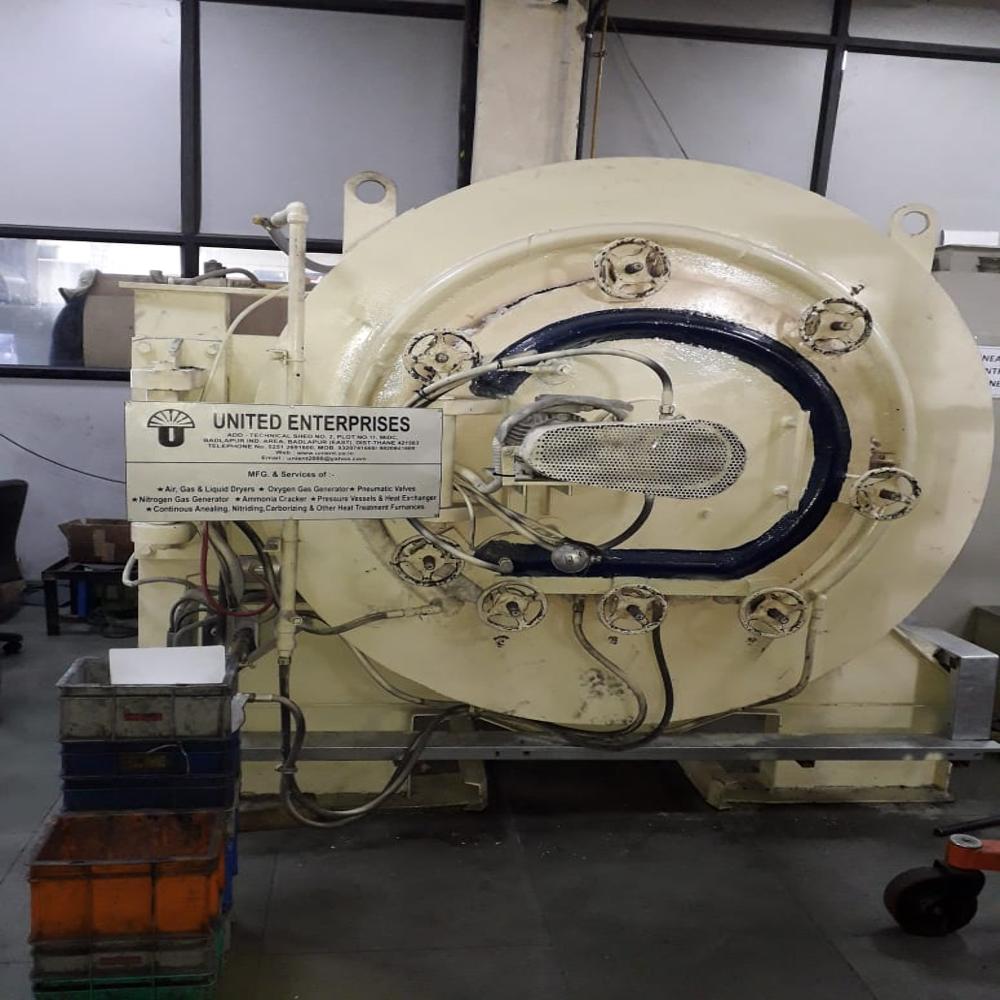
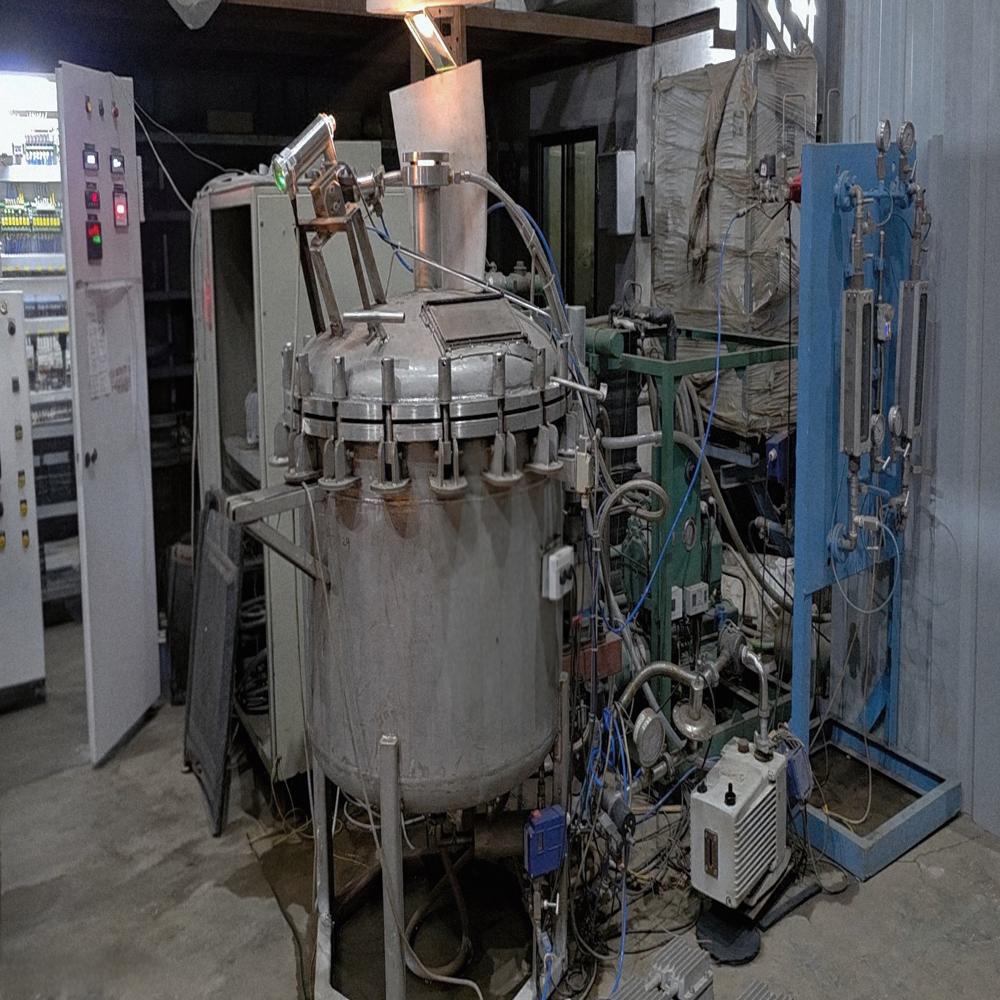
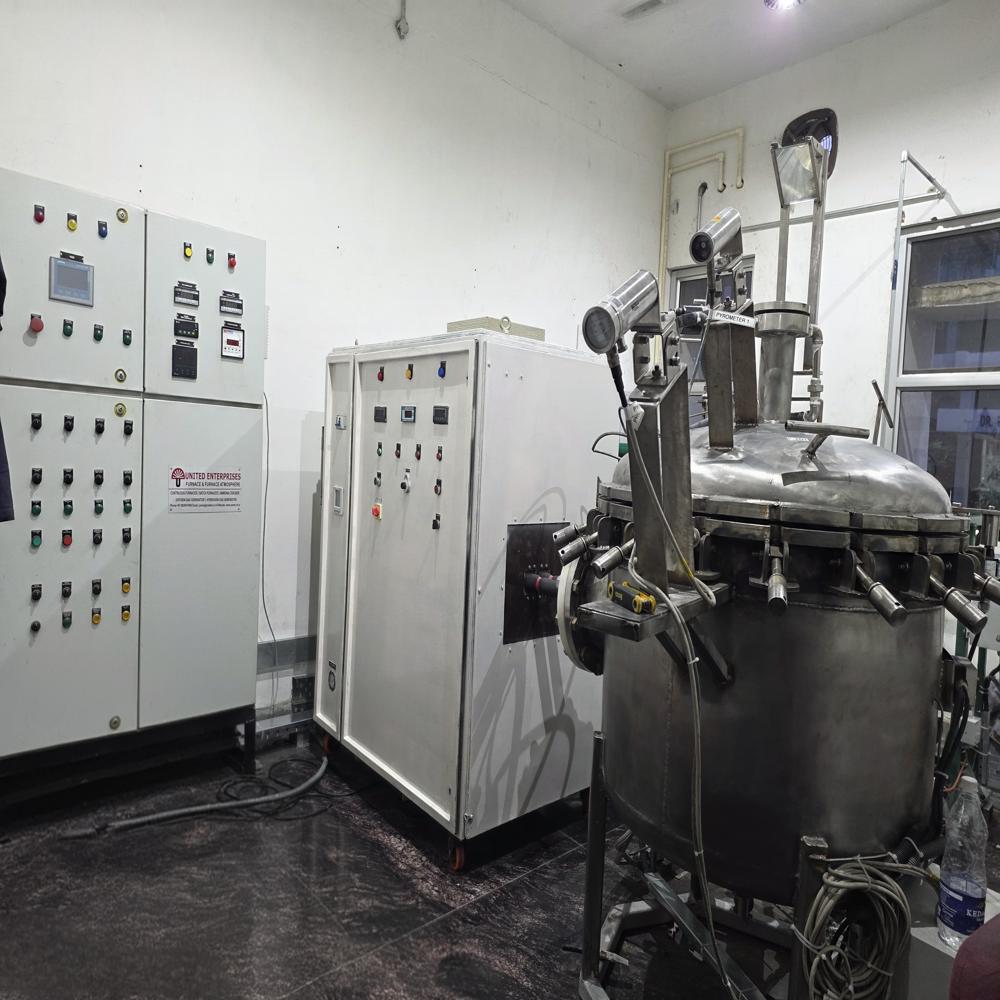
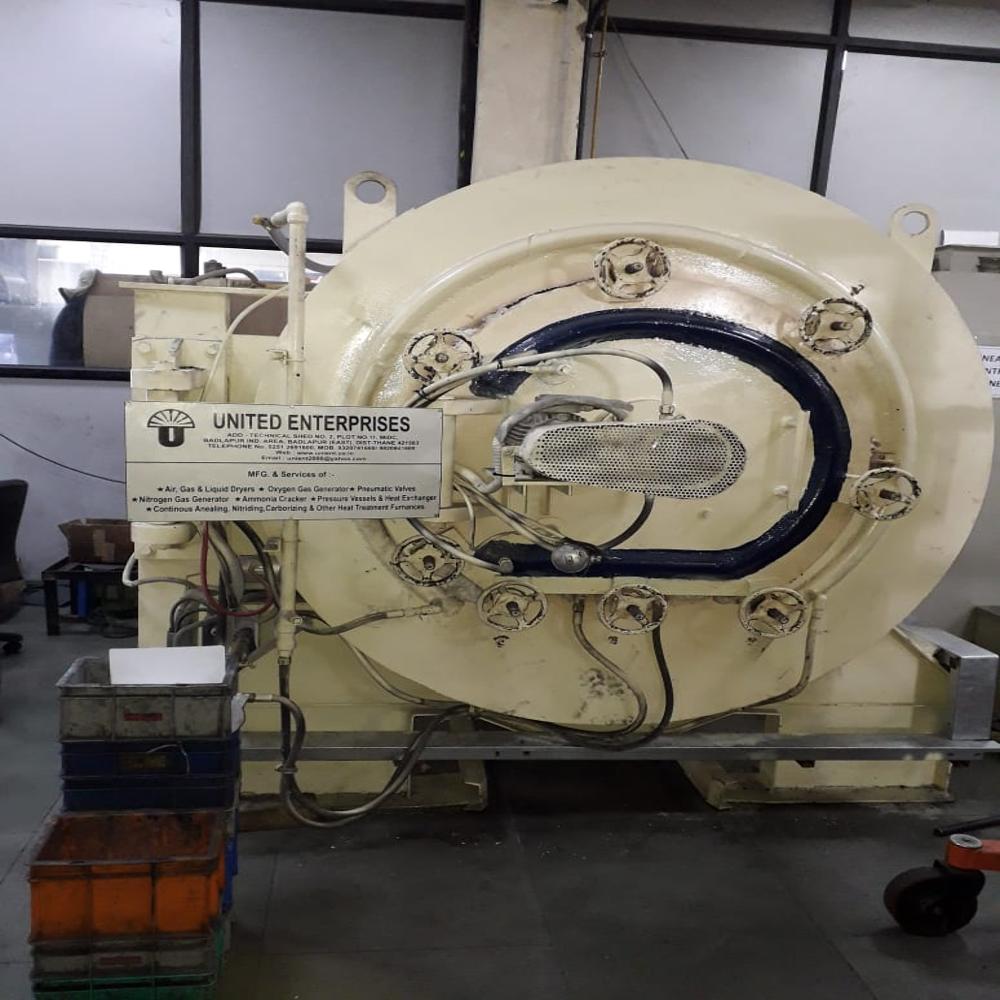
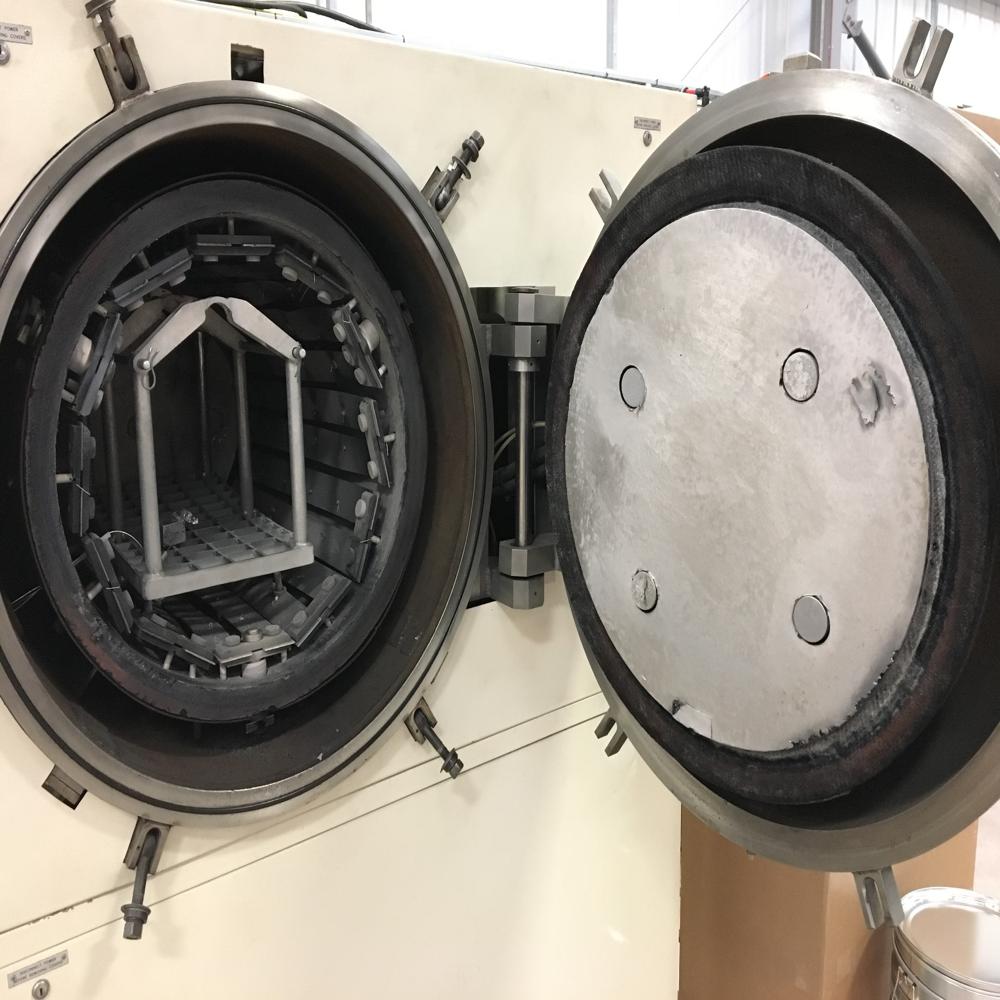
Vacuum Pyrolysis Furnace manufactured by United Enterprises is a high-temperature vacuum furnace built for pyrolysis and debinding of organic precursors, polymers and PM green parts under controlled vacuum conditions.
Brief Description:
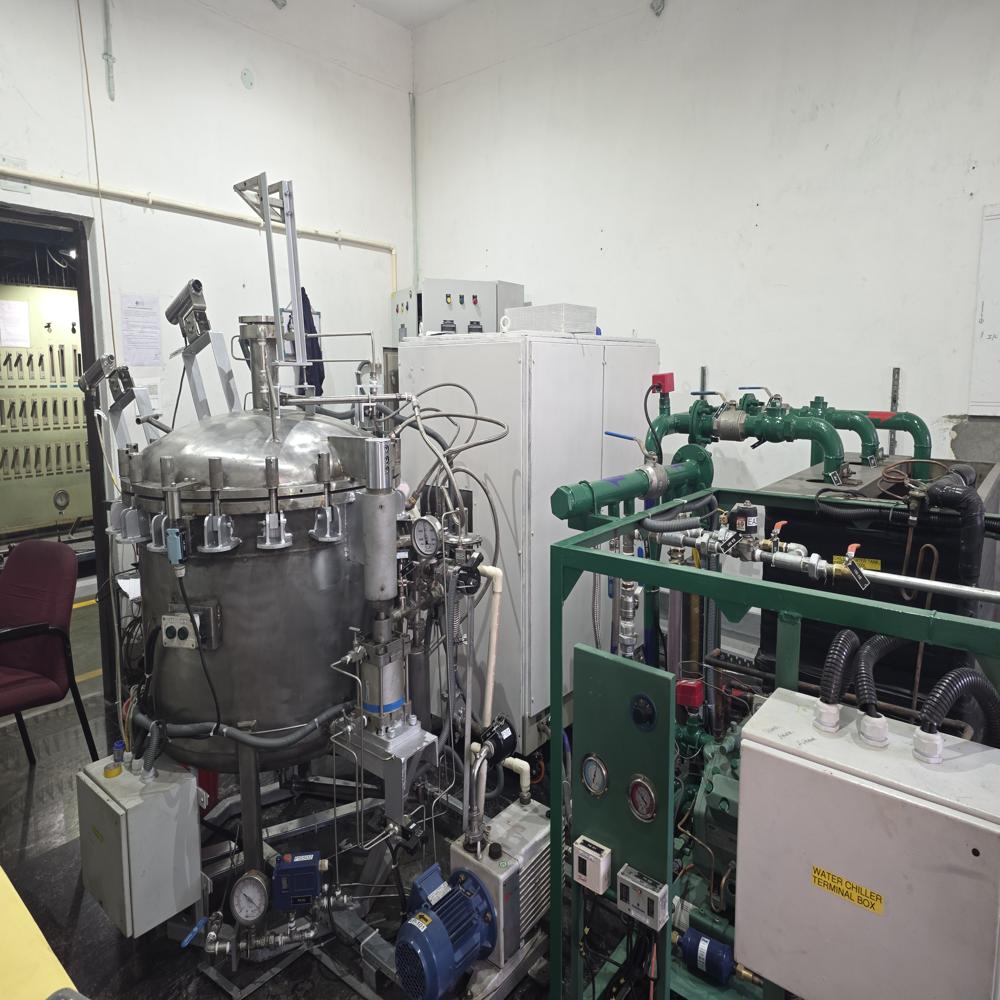
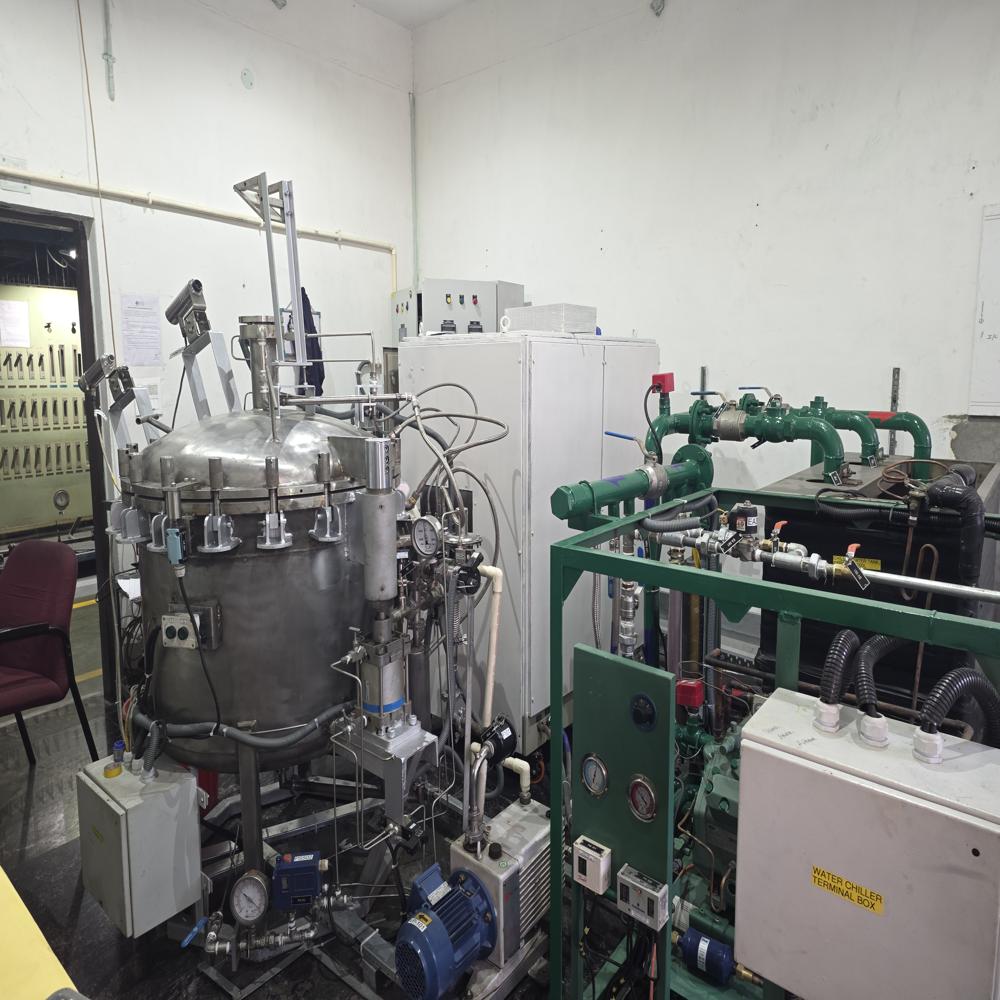
Vacuum pyrolysis offers tighter control over volatile removal compared to atmospheric pyrolysis particularly valuable for premium PM, ceramic and specialty material processing. The volatiles are removed by the vacuum system, then captured in cold traps and oil filters for safe handling.
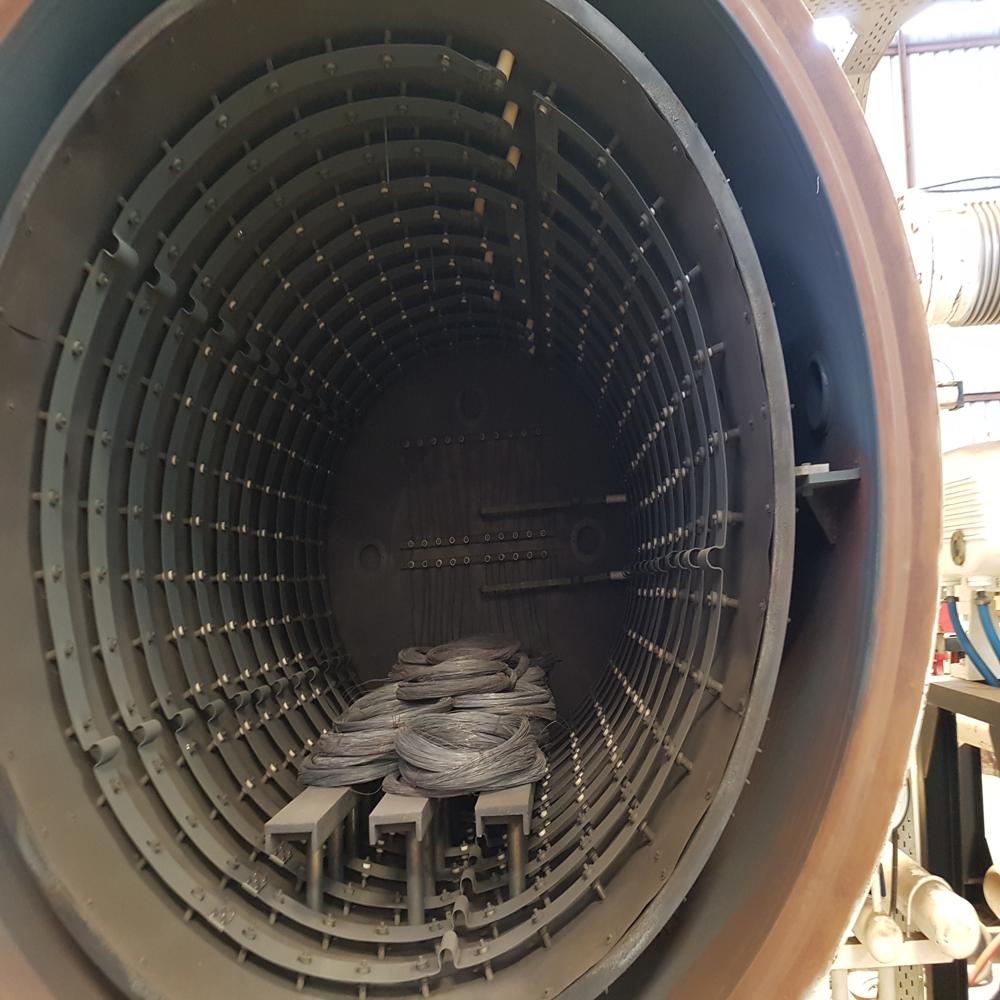
Our Vacuum Pyrolysis Furnaces feature high-vacuum pumps, condensers and engineered exhaust systems, with multi-zone heating, multilayer insulation and PLC / SCADA-based recipe management.
Each unit is engineered around the customers feedstock, volatile load and throughput.
Characteristics:
- Designed for vacuum pyrolysis and debinding
- Maximum temperature up to 1200C
- Working vacuum down to 10 mbar with engineered exhaust
- Cold traps and oil filters for volatile capture
- Multi-zone PLC and SCADA temperature control
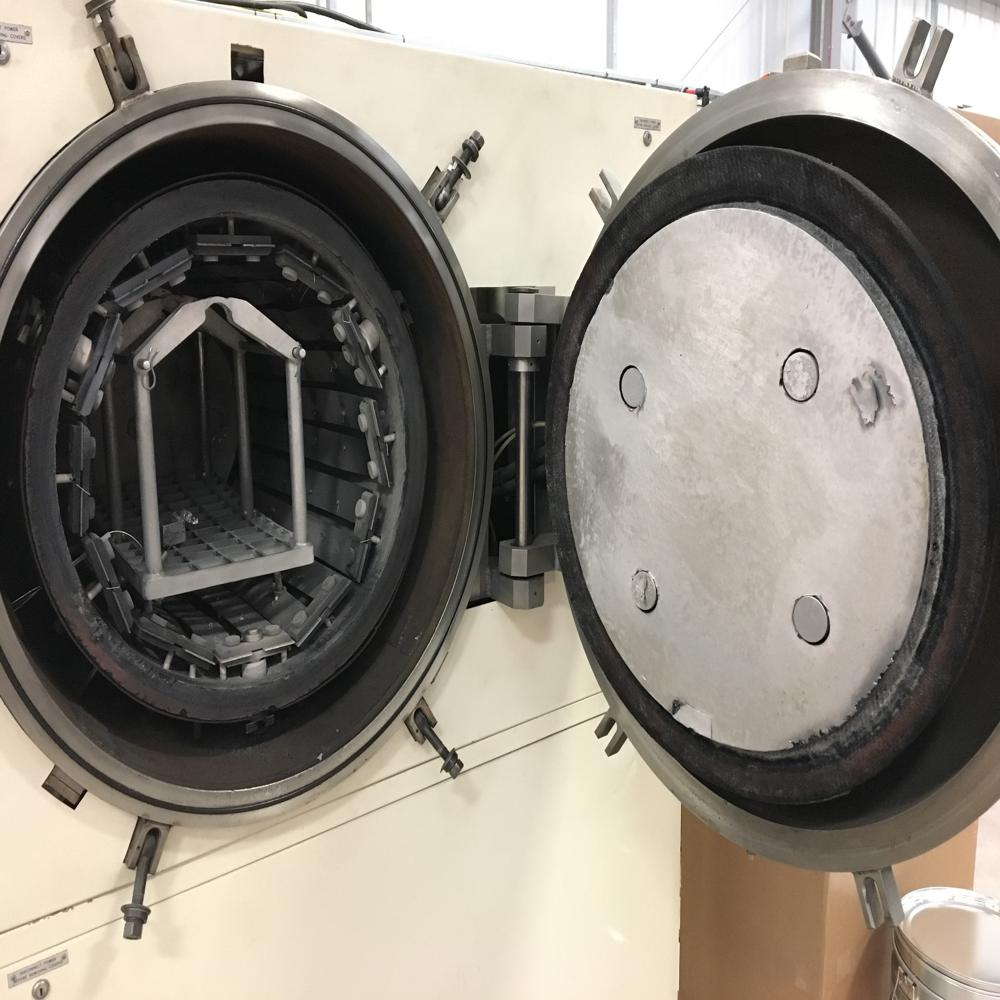
- Multilayer insulation package
- Suitable for PM, ceramic and specialty material processing
- Robust safety interlocks and instrumentation
About United Enterprises:
United Enterprises is a trusted Vacuum Pyrolysis Furnace manufacturer in India with over 25+ years of experience in specialty vacuum thermal processing. We design, manufacture, supply, export and commission tailor-made vacuum pyrolysis furnaces across Asia and Europe. Our turnkey approach, in-house design and CE / ISO compliant manufacturing serve PM, ceramic and advanced material industries.
FAQs:
Q: Vacuum or atmospheric pyrolysis?
A: Vacuum gives tighter control over volatile removal and is preferred for premium PM, ceramic and specialty applications.
Q: How are volatiles handled?
A: Through cold traps and engineered exhaust, with oil filters and afterburners as needed.
Q: Can it integrate with sintering?
A: Yes. Combined debinding + sintering vacuum furnaces are routinely supplied.
Precision Control and Uniform HeatingEquipped with a digital PID controller, the Vacuum Pyrolysis Furnace delivers outstanding temperature accuracy and repeatable processes. The electric resistance heating system and ceramic fiber insulation guarantee rapid heating and consistent temperature uniformity within 5C. Process parameters are conveniently displayed on the digital interface, allowing for real-time monitoring and adjustment.
Flexible Application and CustomizationSuitable for both research laboratories and industrial settings, this furnace supports a wide range of pyrolysis and heat treatment processes. Its customizable chamber size, batch capacity, and choice of cooling systems (air or water) provide adaptability for varied requirements. Vacuum and inert gas options expand its usability across different materials and decomposition protocols.
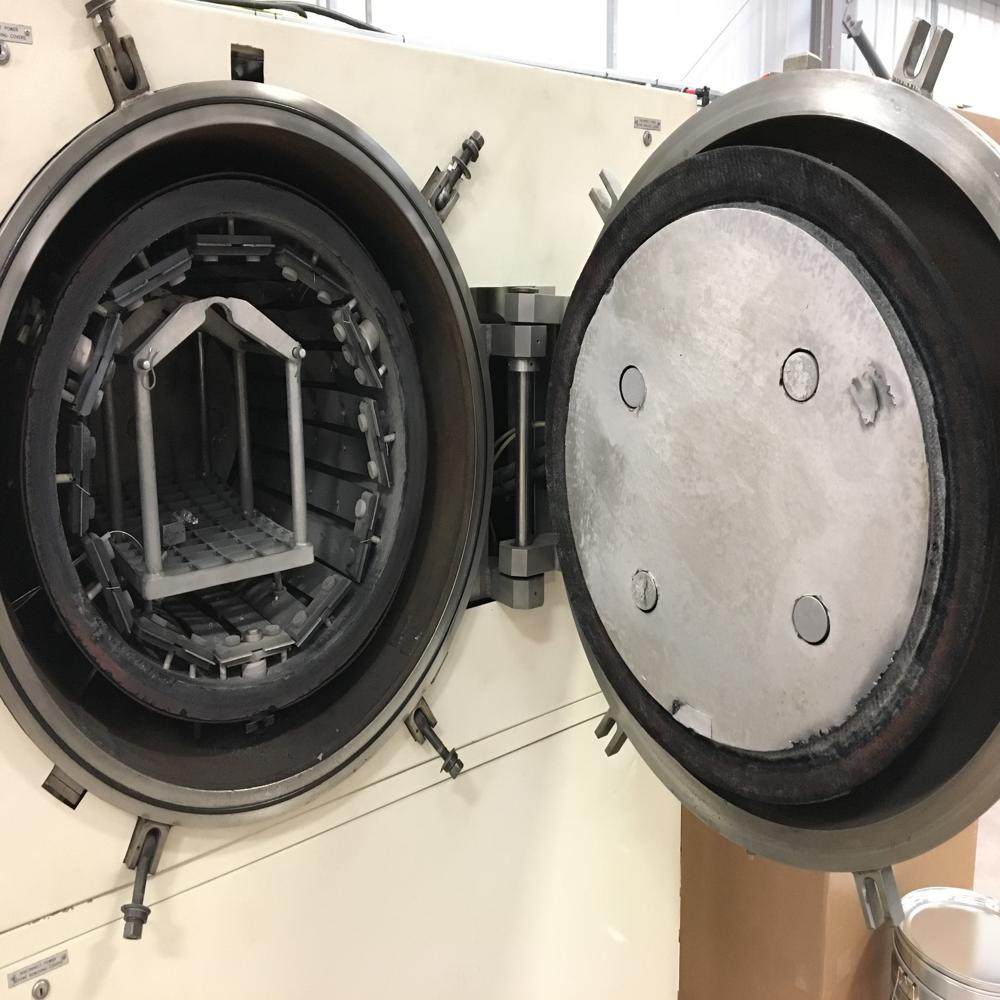
Safety and Environmental ConsiderationsThe furnace integrates comprehensive safety mechanisms, including overtemperature protection and an emergency stop button. The front-loading, safety-locked door ensures secure sample loading. Environmental compliance is addressed with provision for external exhaust gas scrubber connection, making it suitable for stringent operational standards.
FAQ's of Vacuum Pyrolysis Furnace:
Q: How does the Vacuum Pyrolysis Furnace ensure temperature uniformity during operation?
A: The furnace achieves superior temperature uniformity (within 5C) through its advanced digital PID controller, high-quality electric resistance heating, and efficient ceramic fiber insulation, ensuring uniform heat distribution across the chamber.
Q: What is the process for loading and unloading samples in this furnace?
A: Samples are easily loaded and unloaded via the front-loading, hinged door outfitted with a safety lock, ensuring safe access even at elevated temperatures. The robust design and vacuum sealing maintain process integrity.
Q: When should I use vacuum or inert gas atmosphere during operation?
A: Vacuum is ideal for processes requiring removal of air and volatile components, while inert gases like nitrogen or argon are recommended for preventing oxidation during sensitive heat treatments or pyrolysis.
Q: Where can this furnace be installed, and what are its typical applications?
A: Designed for flexibility, the furnace is suitable for installation in industrial facilities or research laboratories. Typical applications include pyrolysis, thermal decomposition, material testing, and heat treatment under controlled atmospheres.
Q: What benefits does the digital PID controller with timer provide?
A: The digital PID controller allows precise temperature programming and process automation, enabling reproducible results, energy efficiency, and advanced timing functions for controlled heating cycles and safe shutdown.
Q: How is exhaust gas managed during operation?
A: Exhaust gases can be routed externally through a designated port, allowing connection to an external scrubber for treatment and compliance with environmental safety standards.









 Send Inquiry

 Send Inquiry
 Send Inquiry
 Send SMS


 English
 Spanish
 French
 German
 Italian
 Chinese (Simplified)
 Japanese
 Korean
 Arabic
 Portuguese